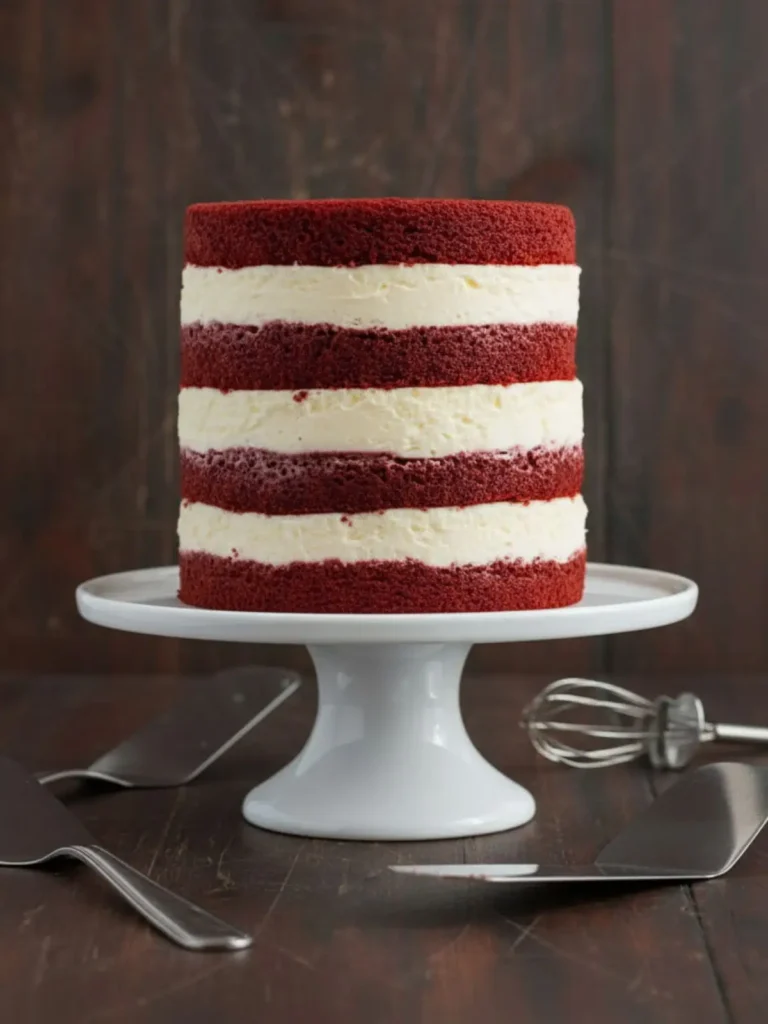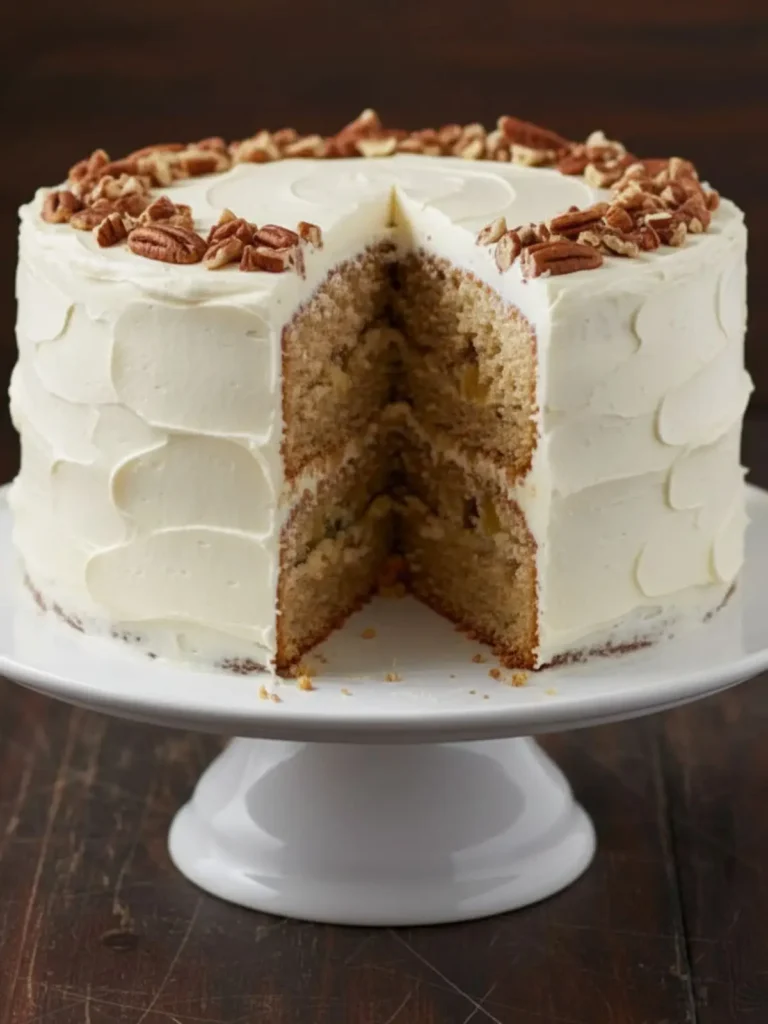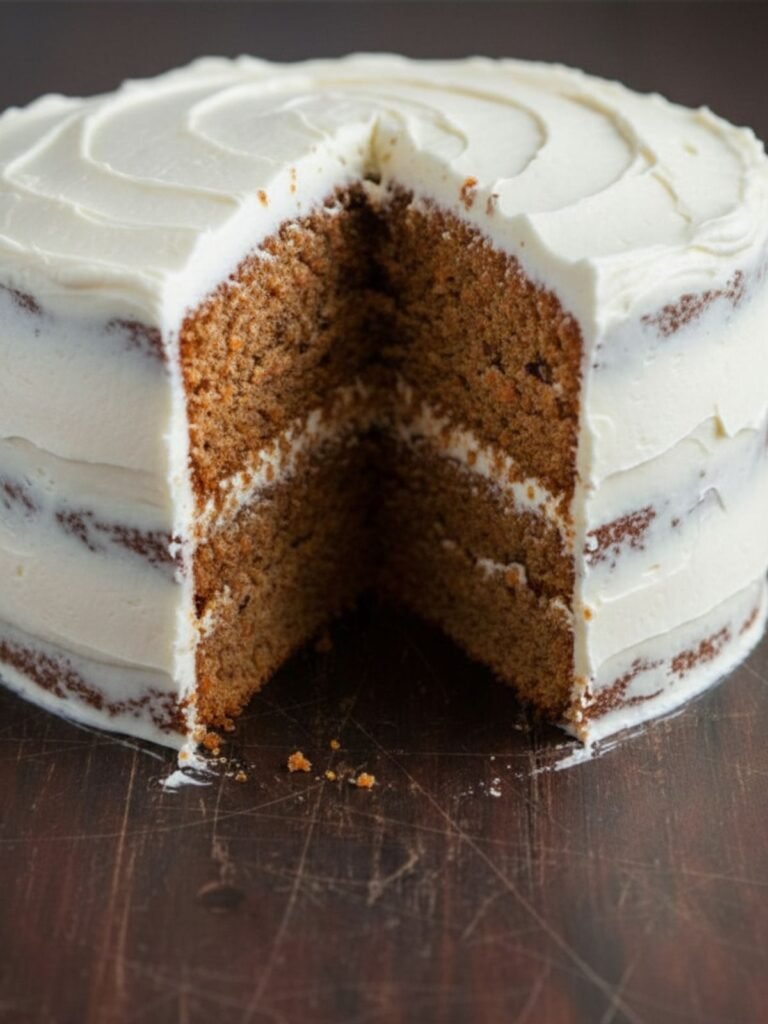


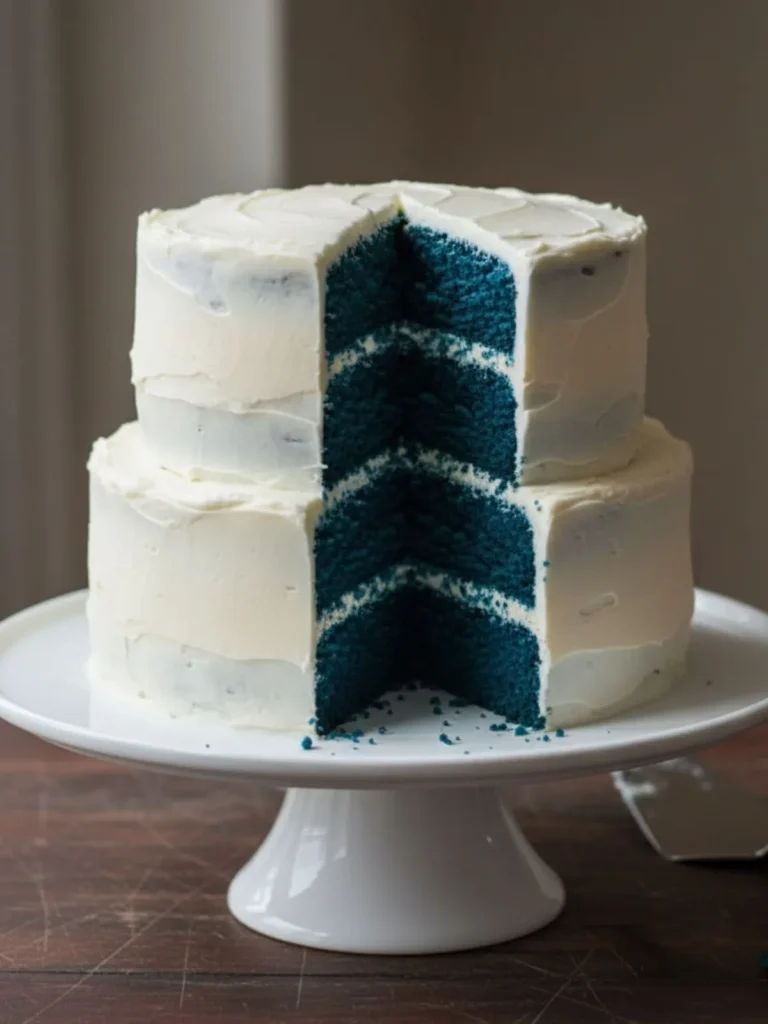
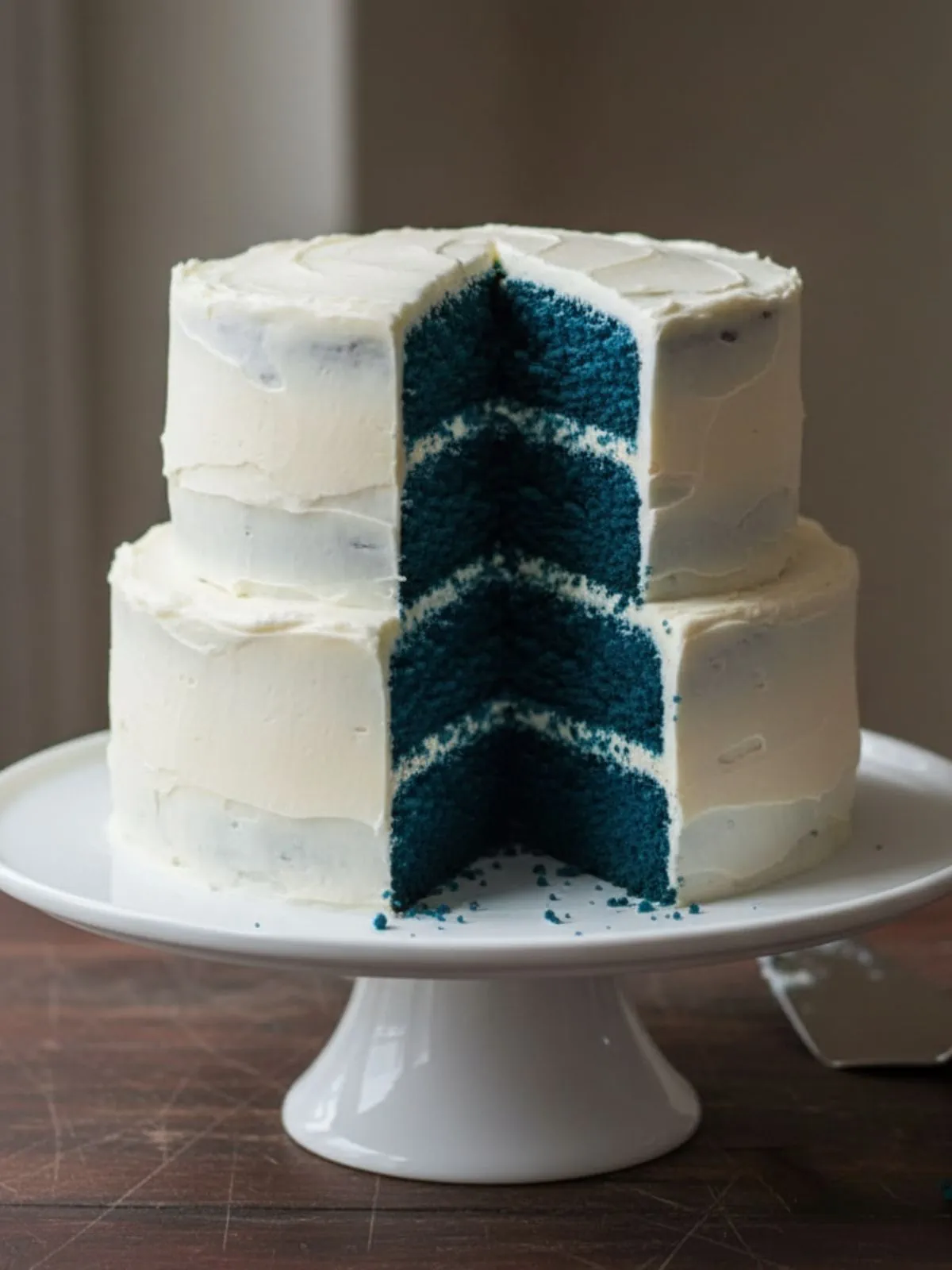
A beautifully baked Blue Velvet Cake Recipe instantly transforms any celebration into something unforgettable, combining dramatic color with an irresistibly soft crumb that melts effortlessly on your tongue. Unlike ordinary layer cakes, this vibrant dessert delivers both visual excitement and bakery-level texture that feels luxurious from the very first bite. The moment you slice through the snowy cream cheese frosting and reveal those bold sapphire-blue layers, guests naturally pause before reaching for their forks. That sense of surprise is exactly what makes this cake one of the most searched modern celebration desserts across the United States.
This homemade Blue Velvet Cake recipe takes inspiration from classic Southern velvet cakes while refining every detail for consistency, moisture retention, and professional bakery structure. Carefully balanced acidity, fat content, and mixing techniques create a tender crumb that stays soft for days without becoming dense or greasy. Whether you are baking for birthdays, baby showers, graduations, or holiday gatherings, this cake delivers reliable results even for beginner bakers. More importantly, it teaches the science behind achieving that signature velvet texture so your cake turns out flawless every single time.
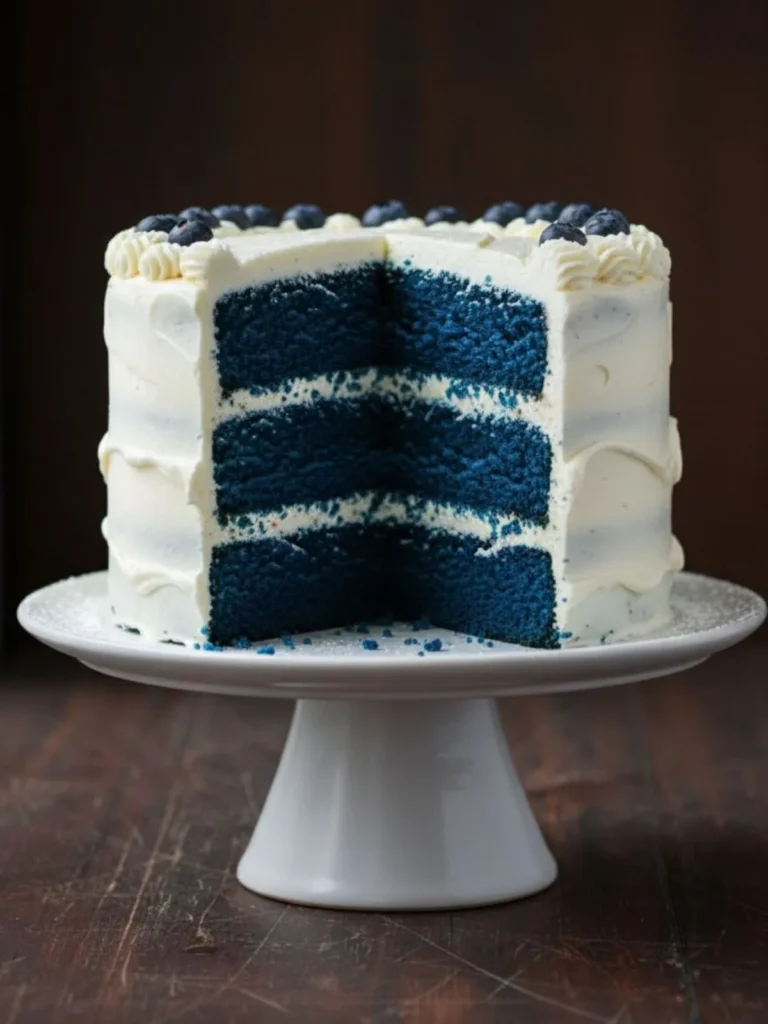
If you are looking for an easy Blue Velvet Cake recipe, this version delivers the perfect balance of flavor, texture, and visual appeal. The moist cake layers paired with smooth cream cheese frosting create a bakery-style dessert that looks stunning and tastes incredible. With simple ingredients and clear step-by-step instructions, this homemade Blue Velvet Cake is ideal for birthdays, parties, and special celebrations when you want a cake that truly stands out.
Why This Blue Velvet Cake Recipe Works
- Perfect balance of acidity and fat creates authentic velvet cake Recipe texture
- Buttermilk and vinegar activate leavening for ultra-soft layers
- Oil and butter combination prevents dryness
- Stable crumb ideal for stacking tall celebration cakes
- Cream cheese frosting complements sweetness without overpowering flavor
- Optimized baking ratios tested for consistent USA ovens
What Makes This Recipe Special
The defining characteristic of a true Blue Velvet Cake Recipe lies far beyond its striking appearance. Velvet cakes rely on controlled gluten development, meaning the batter must remain delicate while still strong enough to support multiple layers. This recipe uses a precise combination of cake flour, cultured dairy, and emulsified fats to break down protein structures gently during mixing. As a result, each slice feels incredibly smooth rather than fluffy like sponge cake or heavy like butter cake.
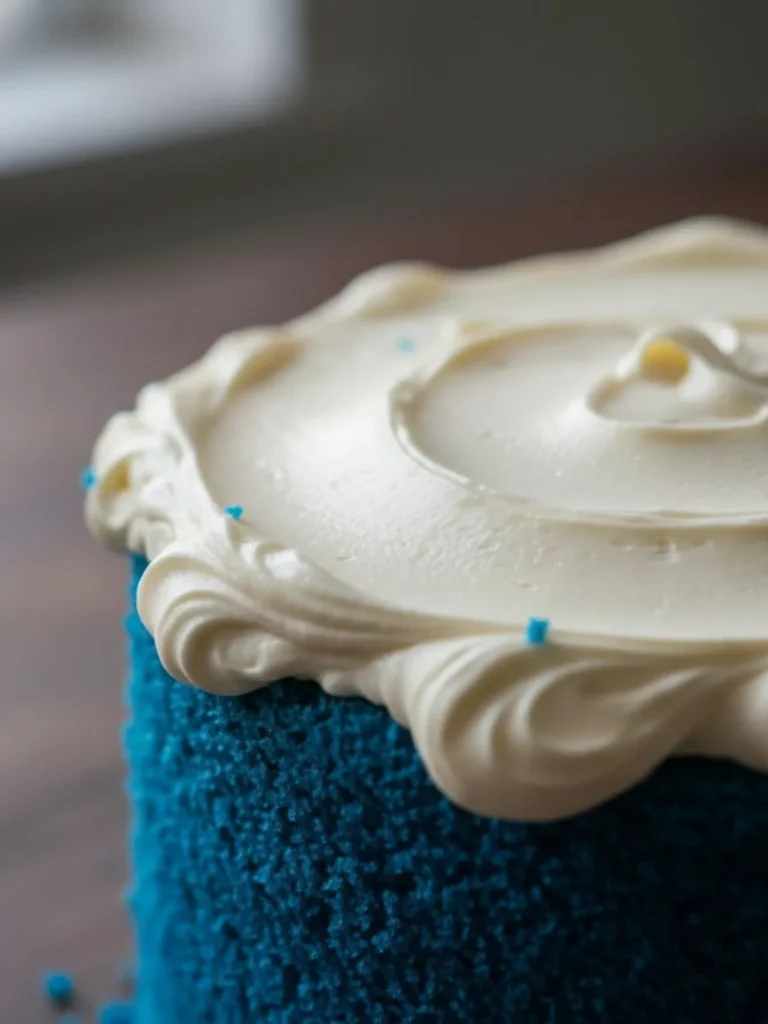
Another standout feature is color stability during baking. Many bakers struggle with dull or greenish tones, especially when natural egg yolks interact with food coloring. Here, controlled cocoa usage and balanced pH prevent discoloration, allowing the cake to maintain a rich royal-blue shade even after baking. The finished result feels modern, elegant, and celebration-ready without relying on complicated decorating skills.
Taste & Texture Results
- Silky, melt-in-your-mouth crumb
- Light cocoa undertone enhancing vanilla flavor
- Moist interior that stays fresh for days
- Smooth, creamy frosting contrast
- Balanced sweetness ideal for American palates
- Clean slices perfect for layered presentation photos
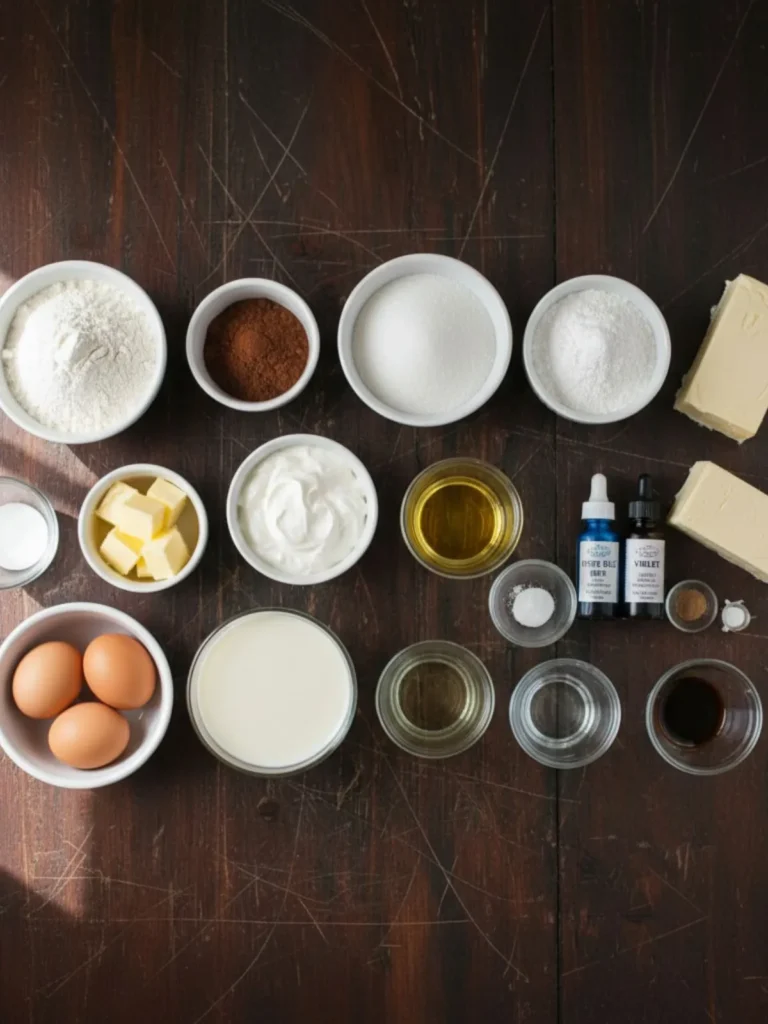
Ingredients
- 2½ cups cake flour
- ½ teaspoon salt
- 2 tablespoons unsweetened cocoa powder
- ½ cup unsalted butter, room temperature
- 1½ cups granulated sugar
- ½ cup sour cream
- ¾ cup neutral oil
- 3 large eggs
- 1 cup buttermilk
- 1 tablespoon white vinegar
- 2 teaspoons vanilla extract
- 2 tablespoons royal blue food coloring
- ½ teaspoon violet food coloring
- 1 teaspoon baking powder
- 1 teaspoon baking soda
- 2 teaspoons water
Cream Cheese Frosting
- 10 tablespoons unsalted butter
- 10 ounces cream cheese
- 1½ teaspoons vanilla extract
- 6 cups powdered sugar
“If you need to convert ingredient measurements, adjust baking temperatures, or switch between US and metric units, use our complete baking measurement conversion calculator.”
Optional Add-Ins & Substitutions
- Fresh blueberries between layers for fruity contrast
- Raspberry extract for subtle berry flavor
- White chocolate chips for added richness
- Lemon zest for brightness
- Gluten-free cake flour blend substitute
- Gel food coloring for deeper pigment control
Baking Science Behind This Recipe
Understanding the chemistry behind a Blue Velvet Cake recipe dramatically improves baking success. Velvet cakes rely on acidic ingredients like buttermilk and vinegar reacting with baking soda to create microscopic air bubbles throughout the batter. These bubbles expand during baking, producing an exceptionally tender structure rather than large uneven holes.
Oil contributes long-lasting moisture because it remains liquid at room temperature, unlike butter which firms after cooling. Meanwhile, cake flour contains less protein than all-purpose flour, preventing excessive gluten formation that could toughen the crumb. Even the small amount of cocoa powder serves an important role by softening flour proteins while enhancing depth without turning the cake into chocolate flavor territory. Every ingredient works together to produce that iconic smooth texture associated with premium bakery velvet cakes.
Step-by-Step Instructions
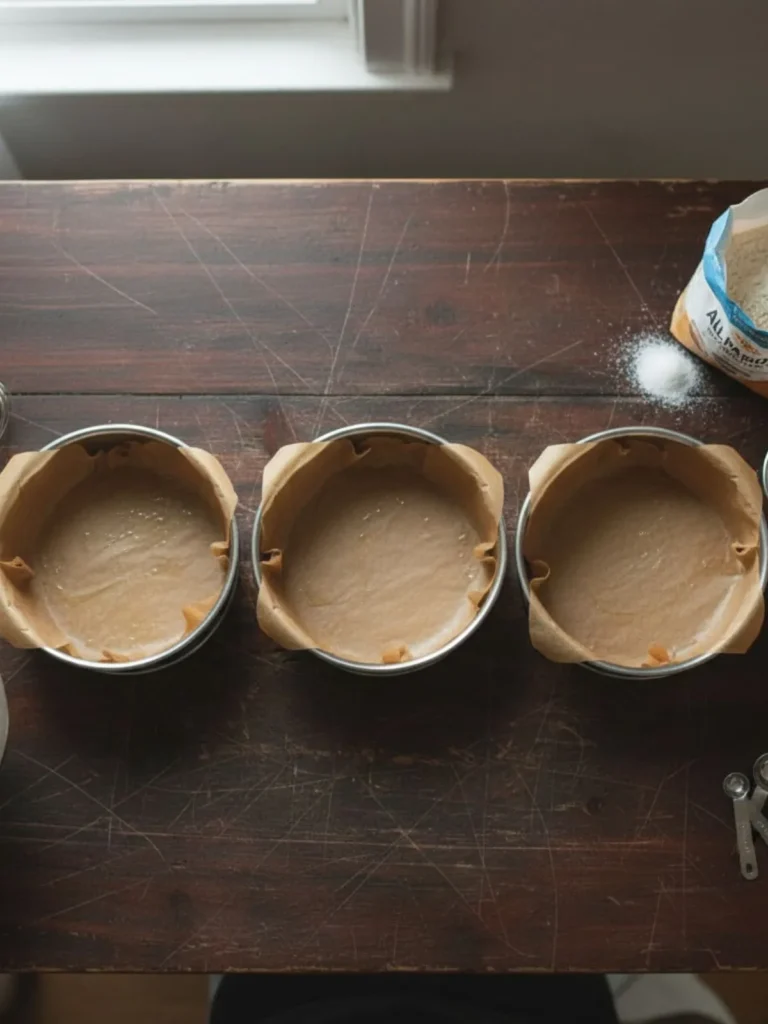
1. Prepare the Baking Pans
Preheat your oven to 350°F and grease three 9-inch cake pans thoroughly before lining them with parchment rounds. Proper pan preparation prevents sticking and ensures clean layer removal later. Even baking begins with evenly coated pans, which also protect delicate cake edges from over-browning.
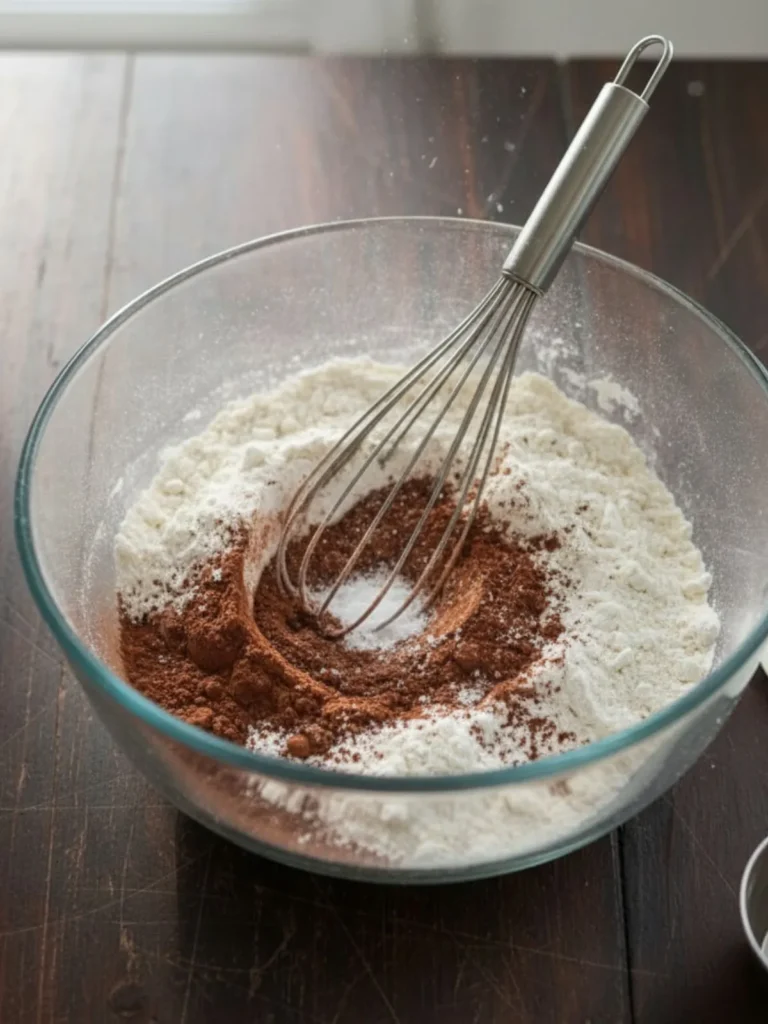
2. Combine Dry Ingredients
Whisk cake flour, salt, and cocoa powder together until completely uniform. Mixing dry ingredients first distributes cocoa evenly, preventing streaks or dense pockets in the batter. The mixture should appear pale with a slight beige tint rather than dark brown.
3. Cream Butter and Sugar
Beat butter and sugar on medium-high speed for about four minutes until light and fluffy. This process incorporates air that contributes to lift during baking. Visually, the mixture should become noticeably lighter in color and increase in volume.
4. Add Sour Cream and Oil
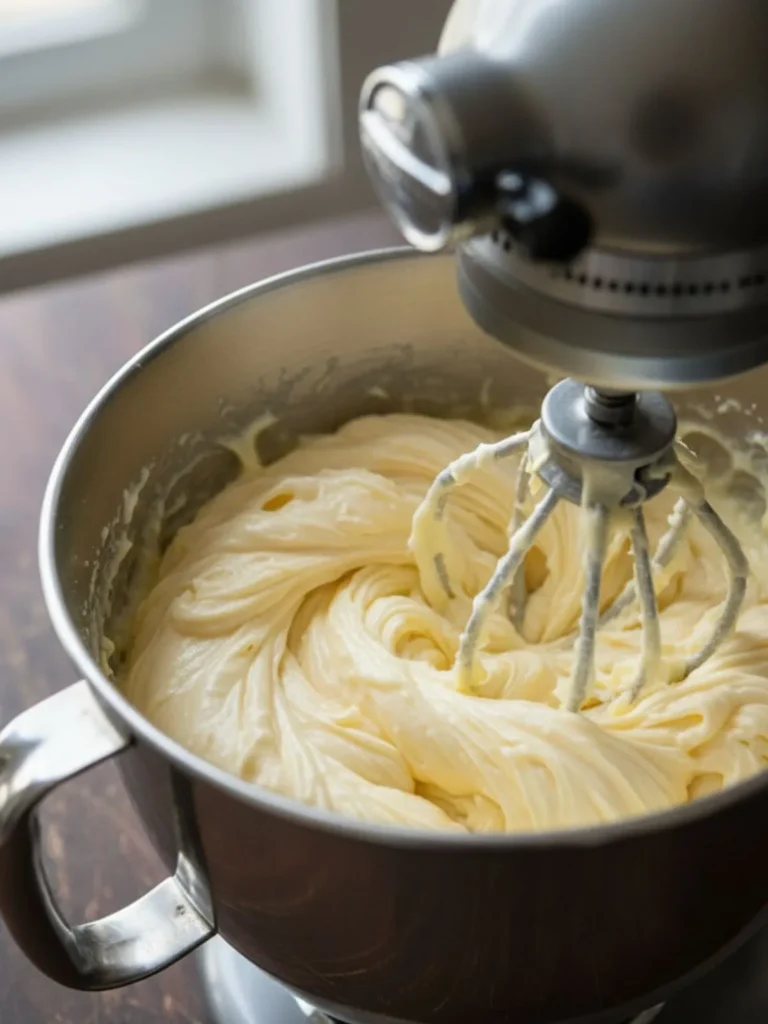
Blend in sour cream followed by oil until fully emulsified. Combining both fats creates richness while maintaining moisture stability. The batter should look smooth and glossy without separation.
5. Incorporate Eggs Gradually
Add eggs one at a time, mixing thoroughly after each addition. Slow incorporation prevents curdling and maintains batter structure. Properly mixed batter appears creamy and cohesive.
6. Add Flavoring Liquids
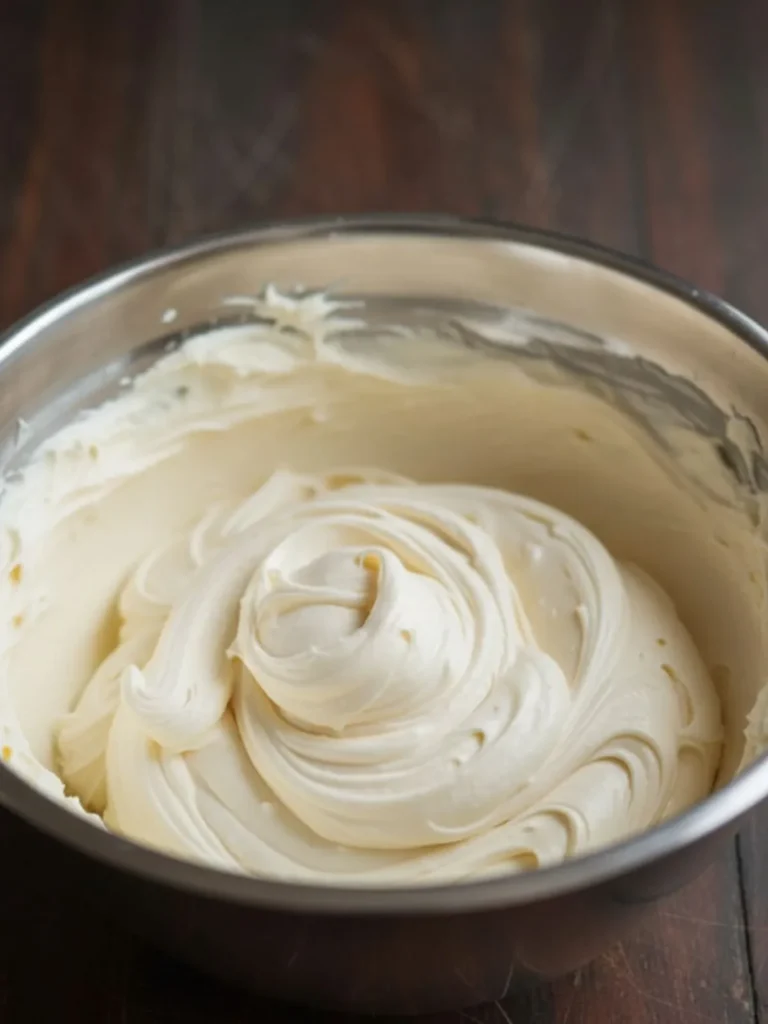
Pour in buttermilk, vinegar, and vanilla extract while mixing on low speed. These ingredients activate leavening reactions while enhancing flavor complexity. The batter will appear slightly thinner at this stage.
7. Color the Batter
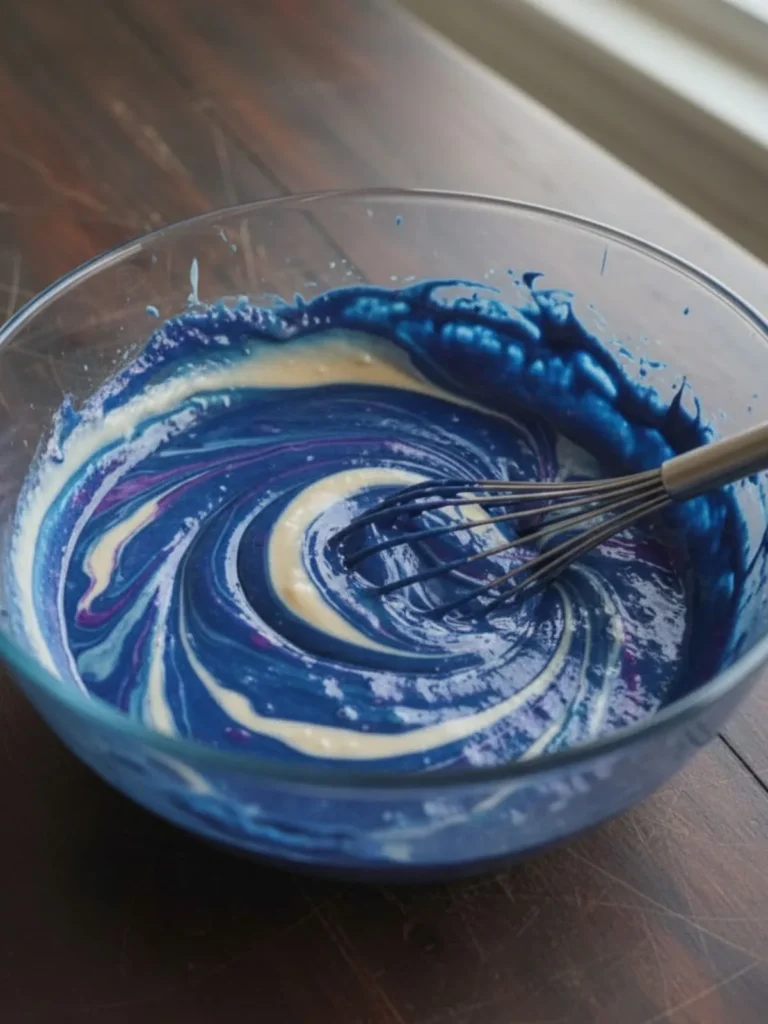
Add blue and violet food coloring gradually until achieving a vibrant tone. Mixing slowly prevents overworking gluten while ensuring even pigmentation throughout the batter.
8. Combine Wet and Dry Mixtures
Add dry ingredients in portions, folding gently to maintain airiness. Overmixing at this stage can toughen the cake, so stop once no flour streaks remain visible.
9. Activate Leavening
Mix baking soda and baking powder with water, then fold into batter immediately before baking. This final activation step boosts rise for signature velvet softness.
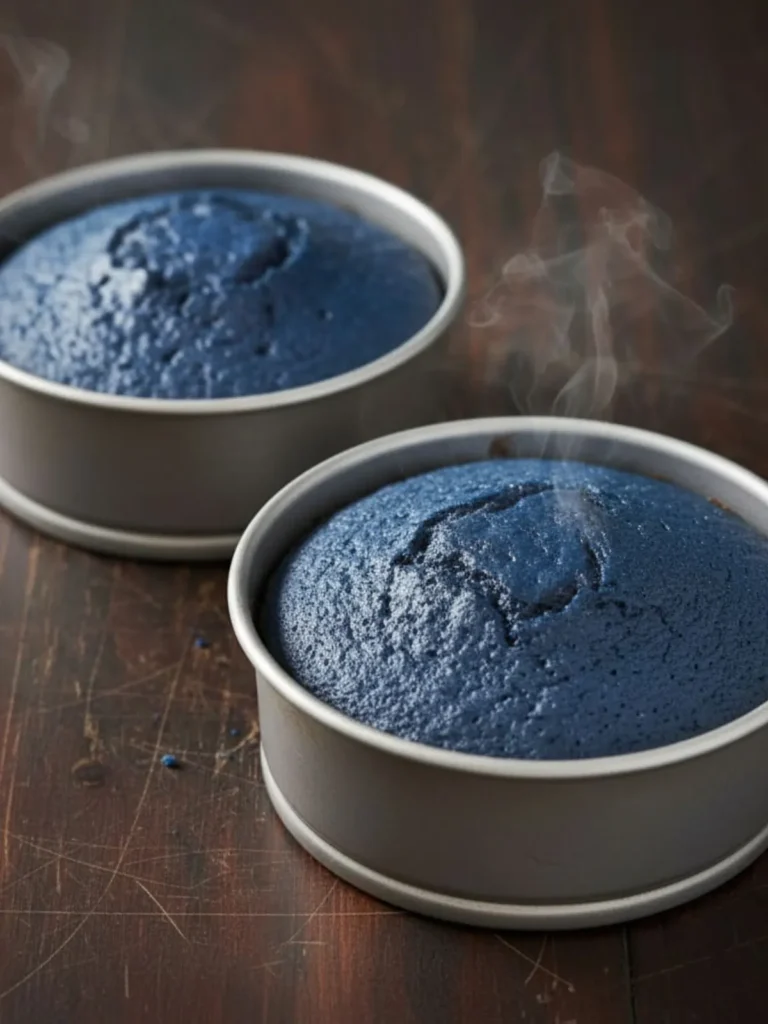
10. Bake the Cake Layers
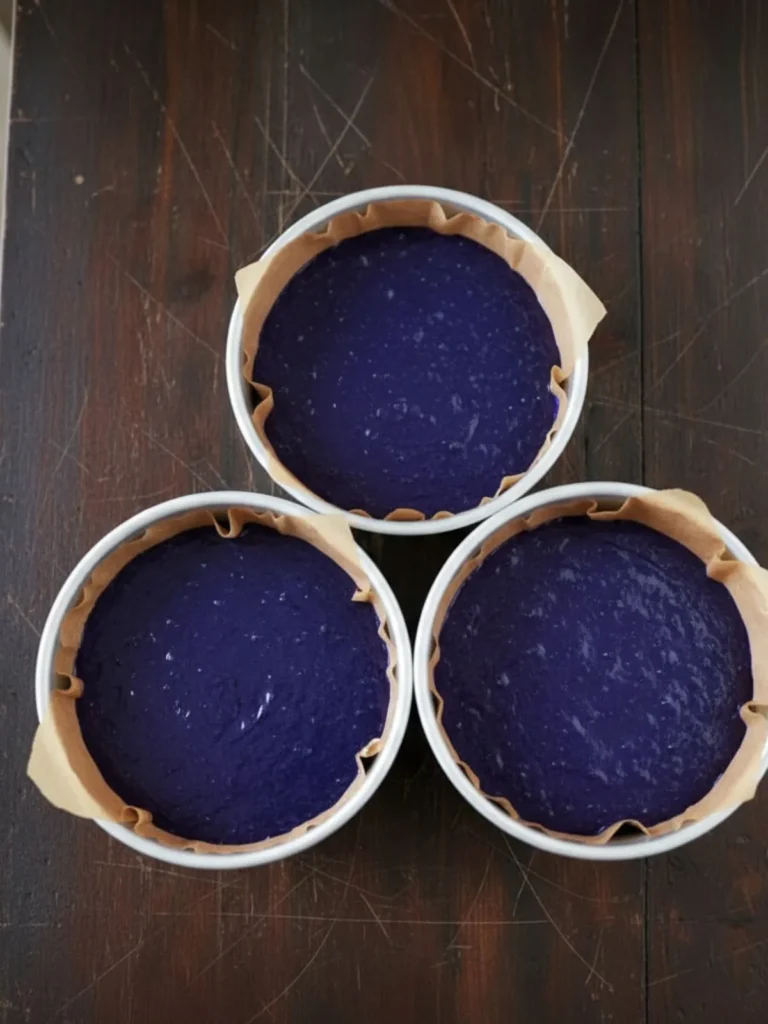
Divide batter evenly and bake for 25–30 minutes. Cakes are done when a toothpick inserted into the center comes out clean and tops spring back lightly when touched.
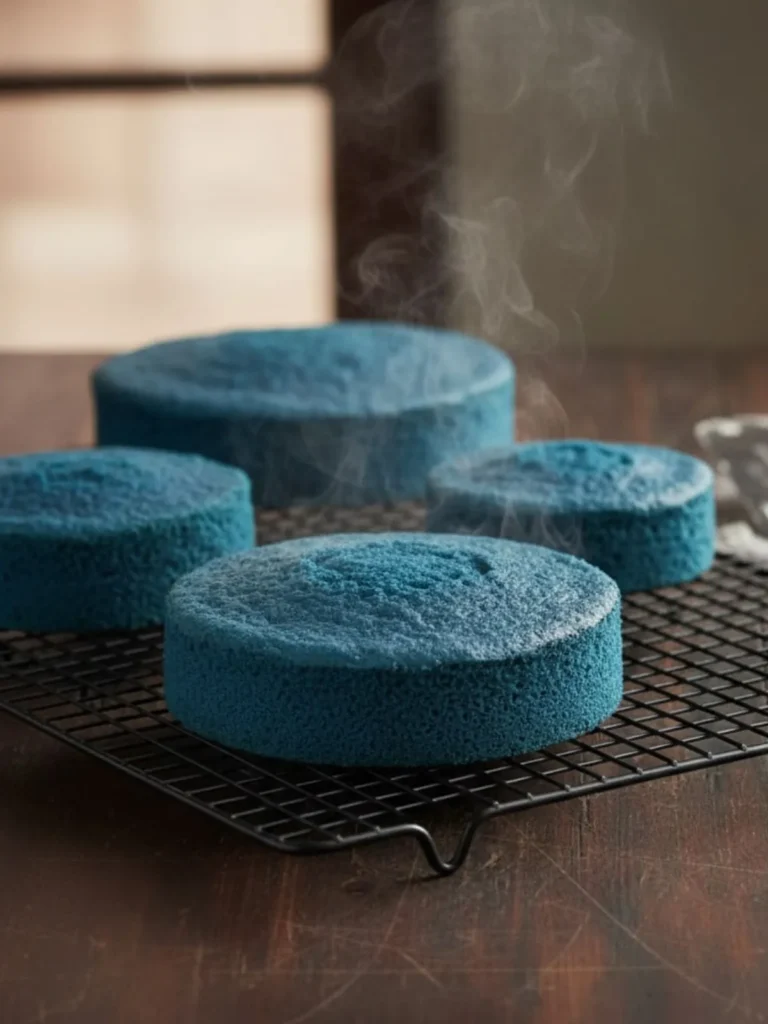
11. Cool and Chill
Allow cakes to cool before wrapping and refrigerating for at least one hour. Chilling firms the crumb, making stacking and frosting dramatically easier.
12. Prepare Frosting
Beat butter and cream cheese until smooth before gradually adding powdered sugar. The finished frosting should feel creamy, stable, and easily spreadable.
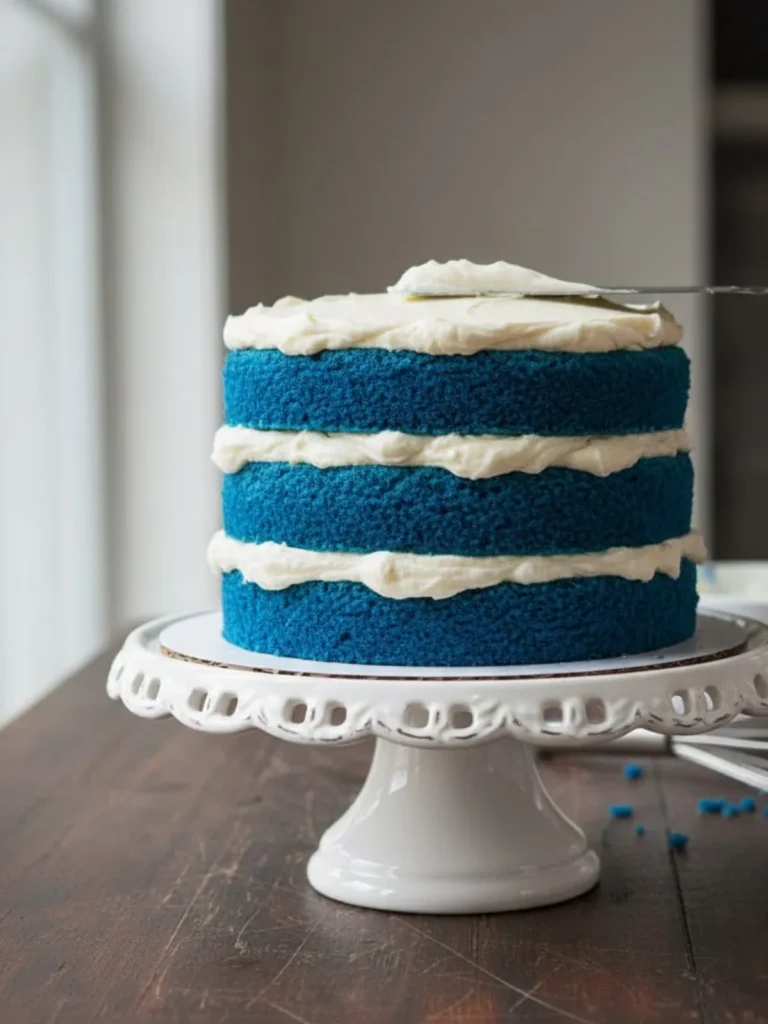
13. Assemble the Cake
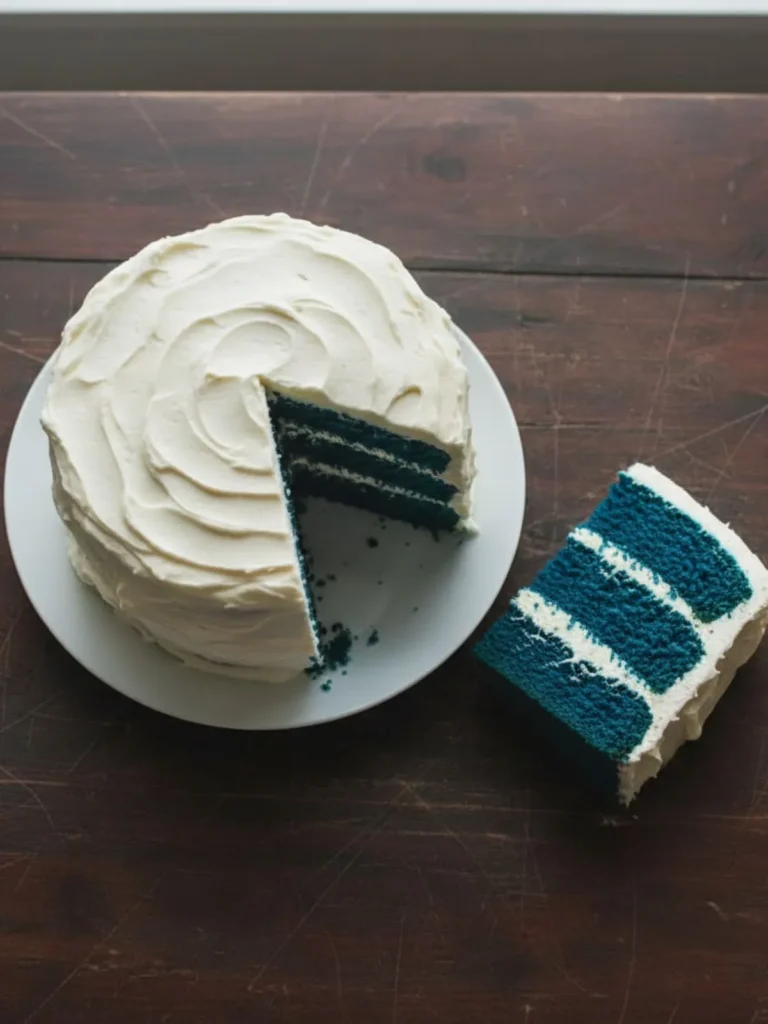
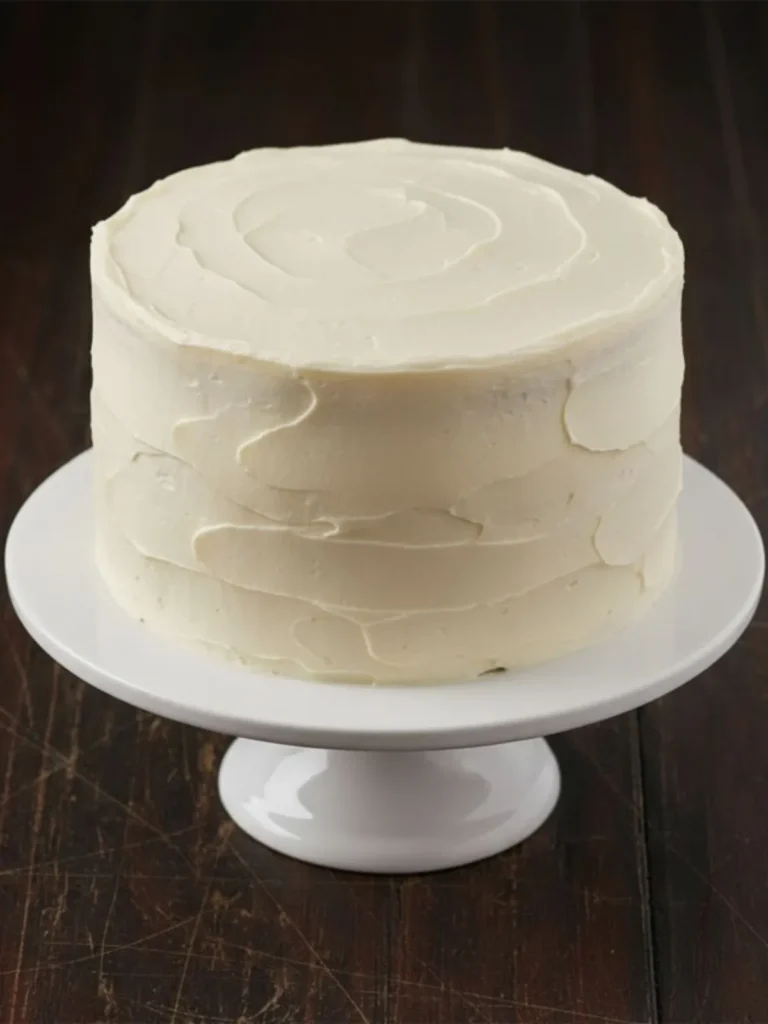
Layer cakes with generous frosting between each tier. Apply a thin crumb coat first, chill briefly, then finish with a smooth outer layer for professional presentation.
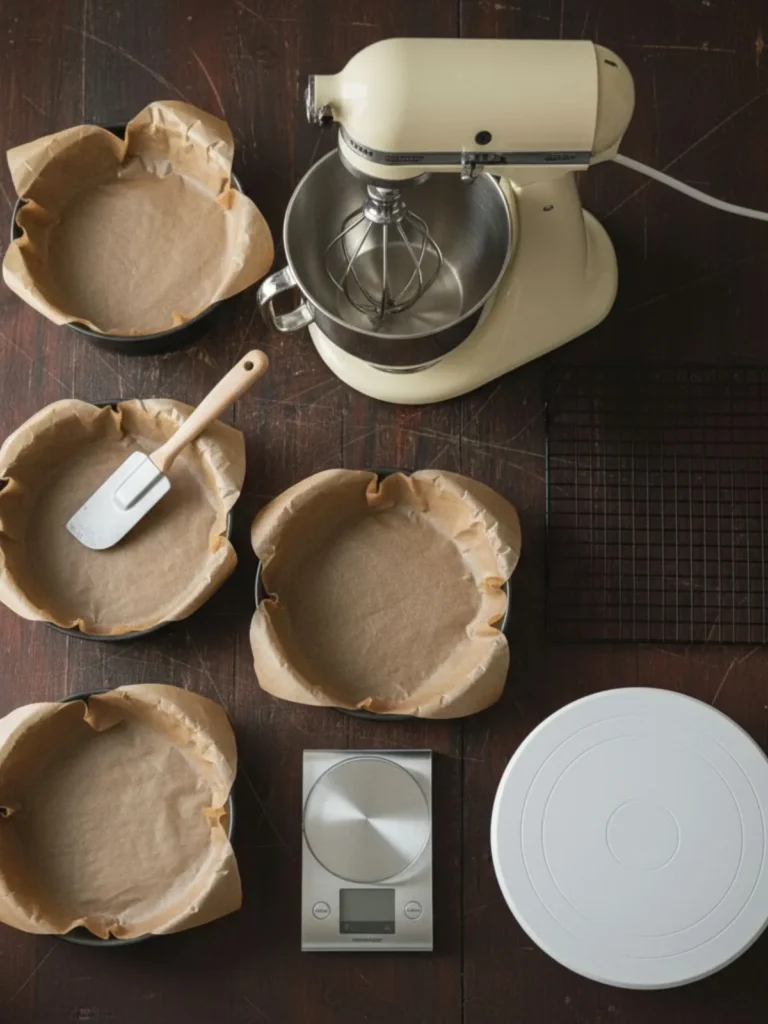
Baking Tools & Equipment
- Stand mixer or hand mixer
- 9-inch round cake pans
- Offset spatula
- Cooling rack
- Parchment paper
- Digital kitchen scale
- Cake turntable
“Each baking tool listed above was carefully selected for consistent results. Click any product name to explore trusted kitchen essentials.”
How To Know When Baking Is Done
Perfectly baked Blue Velvet Cake Recipe layers show subtle visual cues that experienced bakers rely on rather than timing alone. The edges should gently pull away from the pan while the center springs back when lightly pressed. A toothpick inserted into the middle should emerge clean or with a few moist crumbs but never wet batter. Additionally, the cake surface should appear matte instead of glossy, signaling moisture has properly set inside the crumb.
Common Mistakes To Avoid
- Overmixing batter after flour addition
- Using cold dairy ingredients
- Skipping cake layer chilling
- Adding excessive food coloring liquid
- Baking in uneven oven temperatures
- Frosting warm cake layers
Storage & Freezing Guide
- Store frosted cake refrigerated up to 5 days
- Bring to room temperature before serving
- Freeze unfrosted layers up to 2 months
- Wrap tightly in plastic and foil
- Thaw overnight in refrigerator
- Frost after complete thawing
Flavor Variations
- Blueberry cream filling version
- Lemon velvet celebration cake
- White chocolate blue velvet
- Almond-vanilla flavor twist
- Strawberry layered variation
Frequently Asked Questions
1. Why is my Blue Velvet Cake Recipe not bright blue?
Color intensity depends on food coloring quality and batter acidity. Adding a small amount of violet coloring neutralizes yellow tones from egg yolks, helping maintain a bold royal-blue finish after baking.
2. Can I make Blue Velvet Cake ahead of time?
Yes, baking layers one day in advance actually improves texture because chilled cakes are easier to frost and retain moisture more effectively during assembly.
3. Is Blue Velvet Cake chocolate flavored?
The cocoa content is minimal and mainly enhances texture rather than producing a strong chocolate taste. The flavor remains primarily vanilla-forward with subtle depth.
4. Can this recipe be made into cupcakes?
Absolutely. Divide batter into lined cupcake tins and bake for approximately 18–20 minutes while monitoring doneness carefully.
Expert Baker Tips
- Use room-temperature ingredients for smoother batter
- Weigh flour for accuracy
- Rotate pans halfway through baking
- Apply crumb coat before final frosting
- Chill cake briefly for sharp edges
- Following this Blue Velvet Cake Recipe carefully ensures moist layers and stable frosting results.
Related Recipes From Our Kitchen
- Red Velvet Cake Recipe – Traditional Southern velvet texture with rich cocoa undertones
Final Baking Notes
A truly exceptional Blue Velvet Cake blends artistry with baking science, proving that stunning desserts can also deliver remarkable flavor and texture. From its tender crumb to its creamy tangy frosting, every bite offers balance rather than overwhelming sweetness. Taking time to chill layers, measure ingredients carefully, and follow proper mixing techniques guarantees bakery-quality results right from your home kitchen. Once mastered, this cake quickly becomes a signature centerpiece worthy of celebrations both big and small, leaving guests remembering not just the color but the unforgettable taste long after the final slice disappears.
Blue Velvet Cake Recipe
Ingredients
Equipment
Method
- Preheat oven to 350°F and grease three 9-inch cake pans, lining with parchment paper.
- Whisk cake flour, salt, and cocoa powder together in a bowl and set aside.
- Beat butter and sugar until light and fluffy, about 4 minutes.
- Mix in sour cream followed by oil until fully combined.
- Add eggs one at a time, mixing well after each addition.
- Pour in buttermilk, vinegar, and vanilla extract and mix until smooth.
- Add blue and violet food coloring and mix evenly.
- Gradually fold dry ingredients into wet ingredients until just combined.
- Dissolve baking powder and baking soda in water and gently fold into batter.
- Divide batter evenly between prepared pans and tap lightly to release air bubbles.
- Bake for 25–30 minutes or until a toothpick inserted in the center comes out clean.
- Cool cakes in pans briefly, then transfer to a cooling rack and chill for at least 1 hour.
- Beat butter and cream cheese until smooth, then gradually mix in powdered sugar and vanilla to form frosting.
- Level cake layers, spread frosting between layers, and stack evenly.
- Apply frosting over the top and sides and decorate as desired.
Notes
- Always use room-temperature dairy ingredients to prevent batter separation.
- Cake flour is essential for achieving true velvet texture and softness.
- Avoid overmixing once flour is added to maintain a tender crumb.
- Chilling cake layers improves stability during frosting and stacking.
- Gel food coloring provides stronger color without thinning the batter.
- Measure flour accurately to prevent dense cake layers.
- Rotate cake pans halfway through baking for even heat distribution.
- Apply a crumb coat before final frosting for smooth professional results.
- Store cake refrigerated but allow slices to sit at room temperature before serving for best texture.
- Wrap unfrosted layers tightly before freezing to prevent freezer burn.
- Do not frost warm cake layers or frosting may melt and slide.