


The Only Carrot Cake Recipe You’ll Ever Need
There is something undeniably nostalgic about a truly exceptional carrot cake recipe. It’s the cake that quietly wins every dessert table, even when chocolate and red velvet are competing for attention. The aroma of cinnamon and ginger drifting from the oven instantly feels like comfort, celebration, and tradition all at once. Yet not all carrot cakes recipes are created equal, and many fall short with dry crumbs or overly sweet frosting. That’s why this version is built on professional baking science and tested techniques that guarantee consistent, bakery-level results.
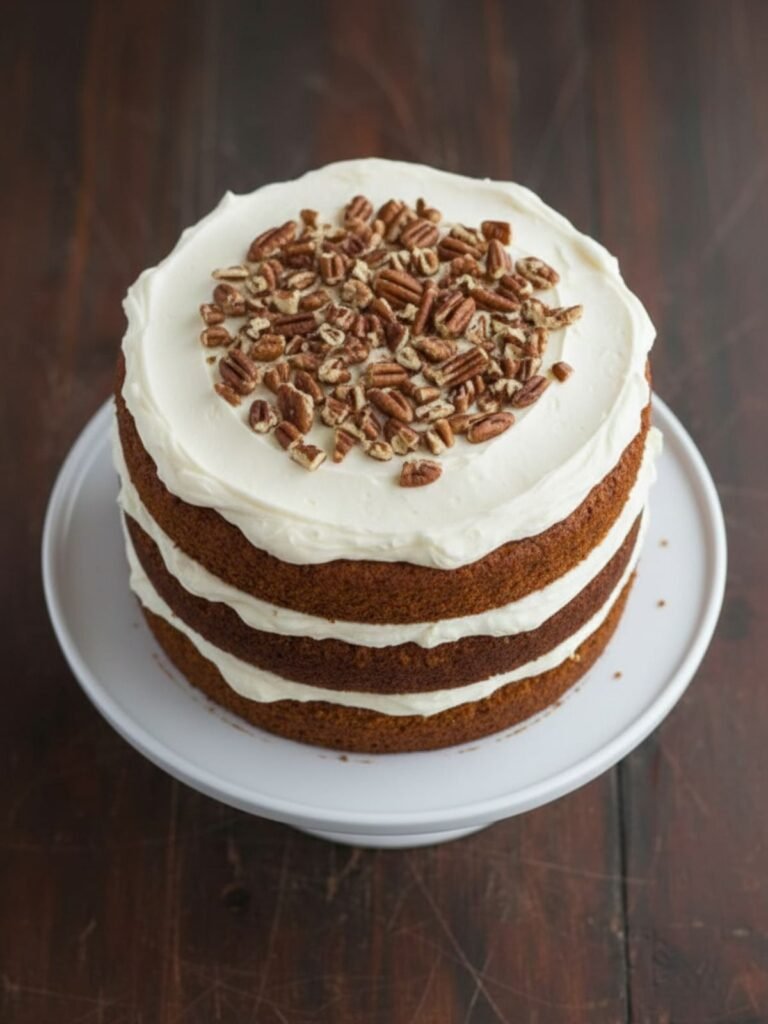
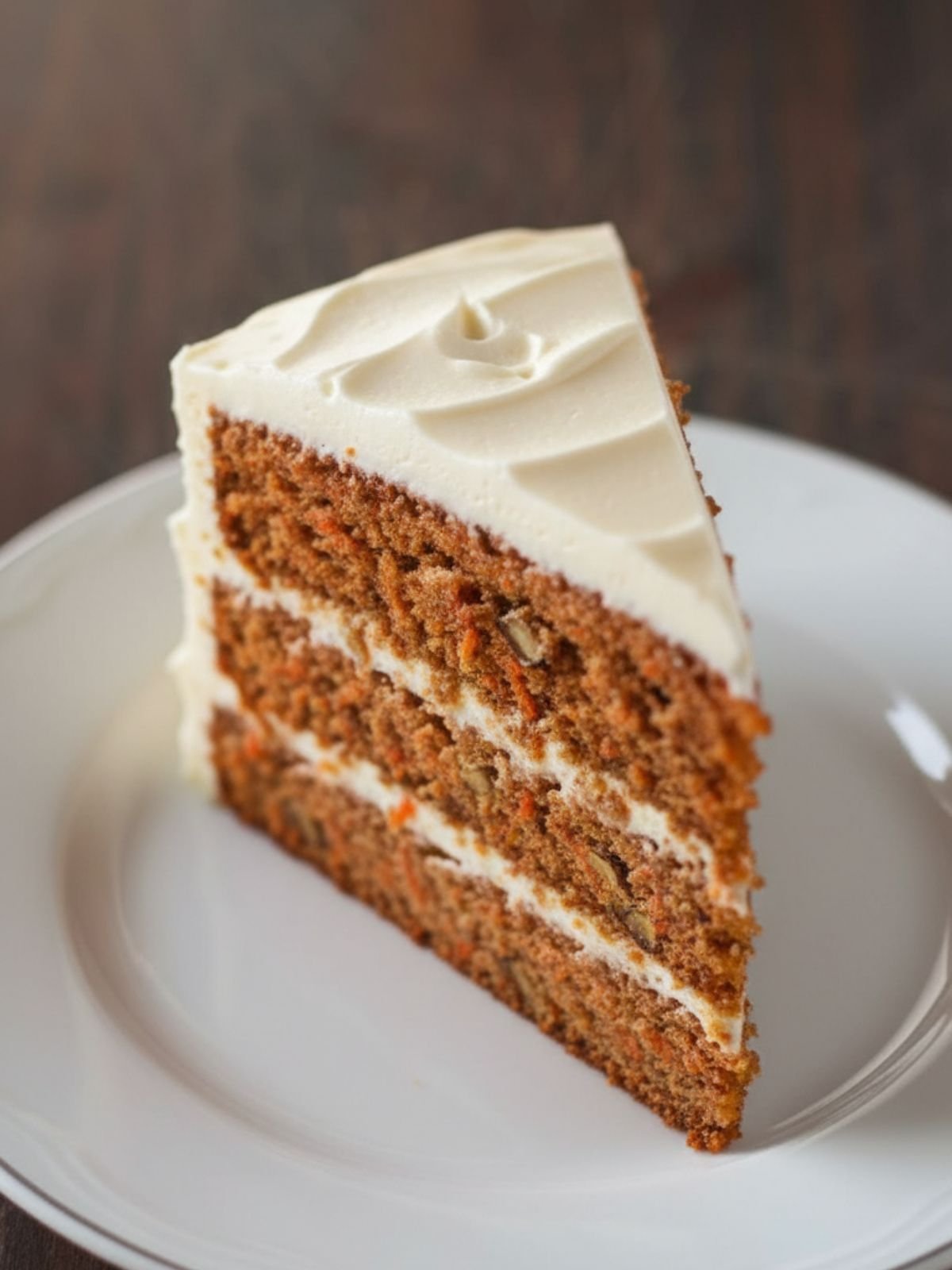
This is the kind of cake you make for birthdays, Easter gatherings, bridal showers, and quiet Sunday afternoons when you want something deeply satisfying. It bakes up tall, moist, and plush with layers that stay tender for days. The spice profile is balanced rather than overwhelming, and the crumb is rich without feeling heavy. Most importantly, the silky cream cheese frosting complements the cake instead of overpowering it. If you have been searching for the best homemade carrot cake recipe, your search ends here.
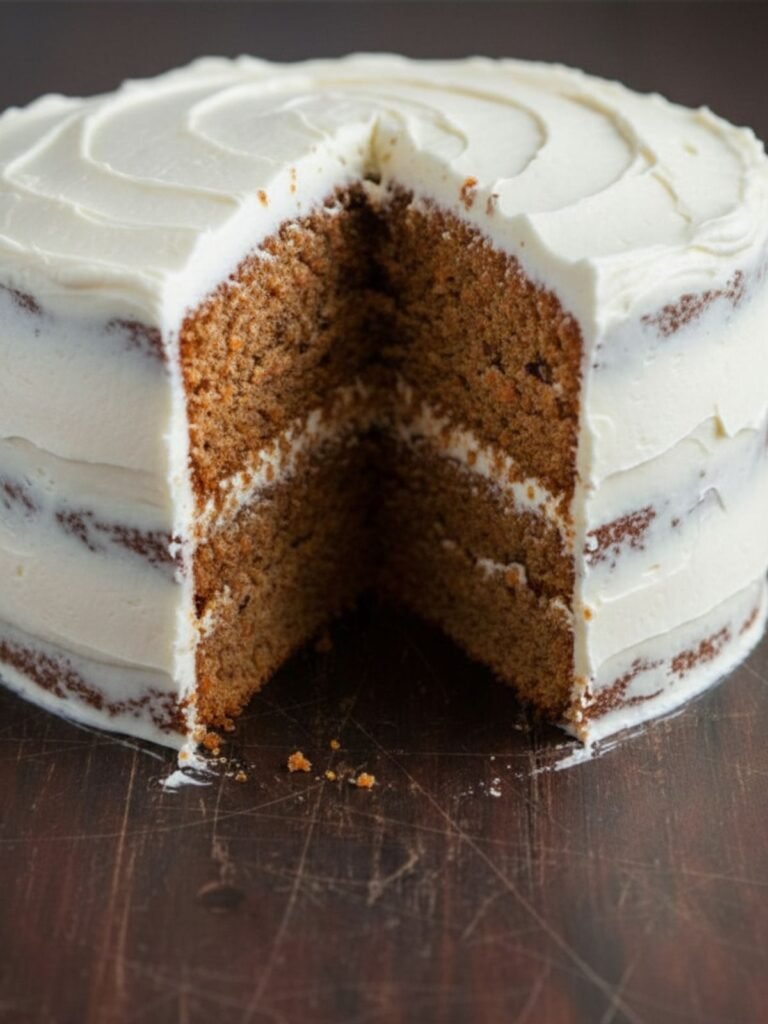
Within the first bite, you will notice the difference between this cake and an average version. The texture is soft but structured, the sweetness is layered instead of sharp, and the nuts provide just enough contrast. Every forkful delivers warmth from cinnamon, brightness from ginger, and subtle caramel depth from brown sugar. This recipe was designed to rank among the best because it simply performs that way. Once you master it, you will never rely on another classic carrot cake recipe again.
Why This Carrot Cake Recipe Works
- Uses oil instead of butter for guaranteed moisture retention
- Balanced blend of brown sugar and spices for depth
- Freshly grated carrots for natural sweetness and hydration
- Toasted nuts for enhanced flavor complexity
- Cream cheese frosting stabilized for clean slicing
What Makes This Recipe Special
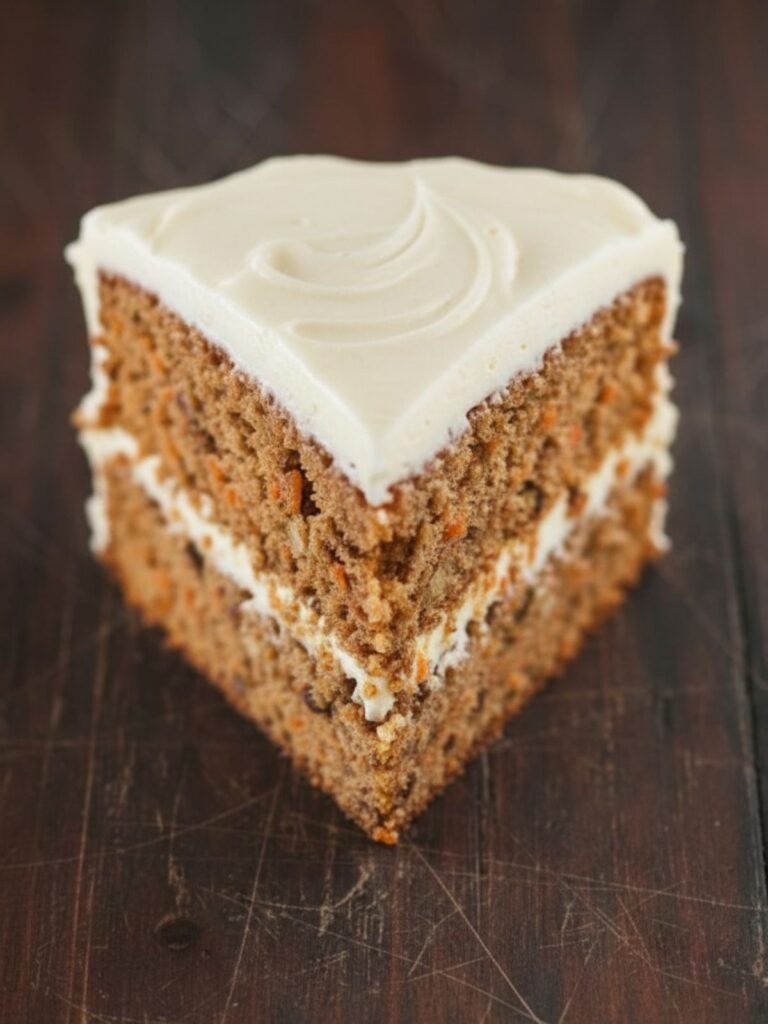
Unlike many traditional versions, this moist carrot cake recipe relies on a careful ratio of fat to flour that keeps the crumb tender without becoming greasy. Oil coats flour proteins more efficiently than butter, which limits gluten development and ensures softness. Brown sugar adds molasses notes that deepen the overall flavor while also attracting moisture from the air. That means the cake actually improves after resting overnight in the refrigerator. The spice combination is assertive yet refined, delivering warmth rather than heat.
Another defining feature is the use of freshly shredded carrots instead of packaged pre-shredded options. Pre-shredded carrots are dry and fibrous, which leads to a tougher crumb. Fresh carrots contain natural water and sugars that melt seamlessly into the batter during baking. Toasted pecans or walnuts are folded directly into the layers, creating subtle crunch throughout. Finally, the frosting is whipped until airy but structured enough to hold beautiful swirls and clean slices.
Taste & Texture Results
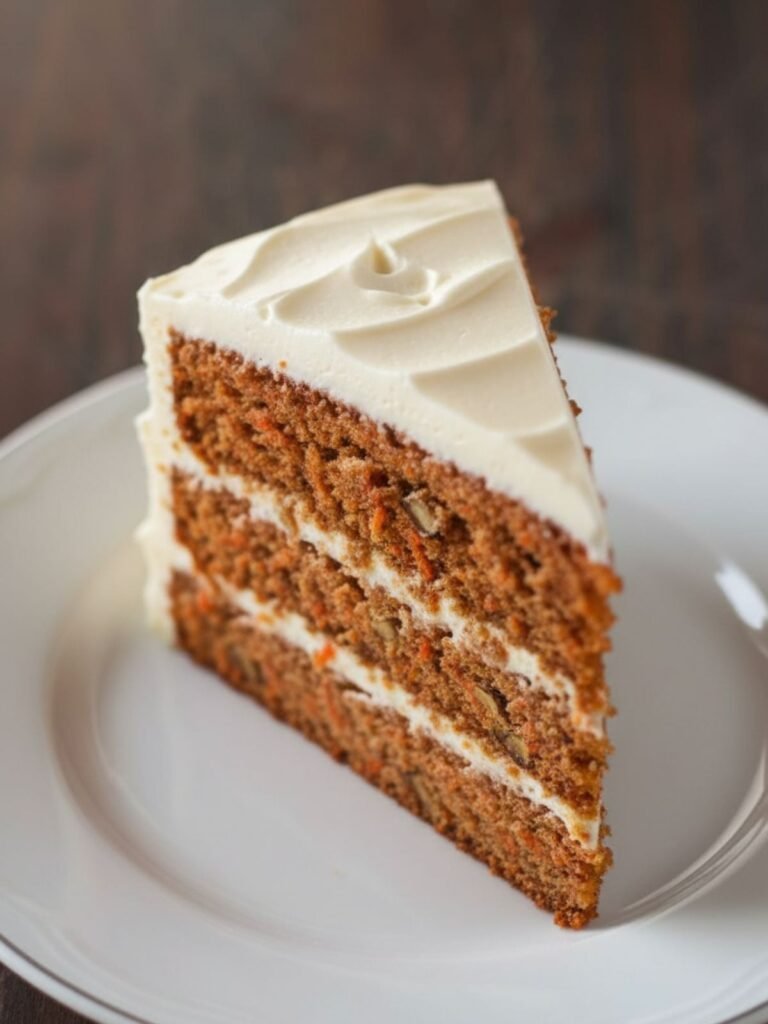
- Ultra moist crumb that stays tender for days
- Warm spice notes with gentle ginger brightness
- Light crunch from toasted nuts
- Creamy, tangy frosting that balances sweetness
- Dense yet soft layers that slice cleanly
Ingredients
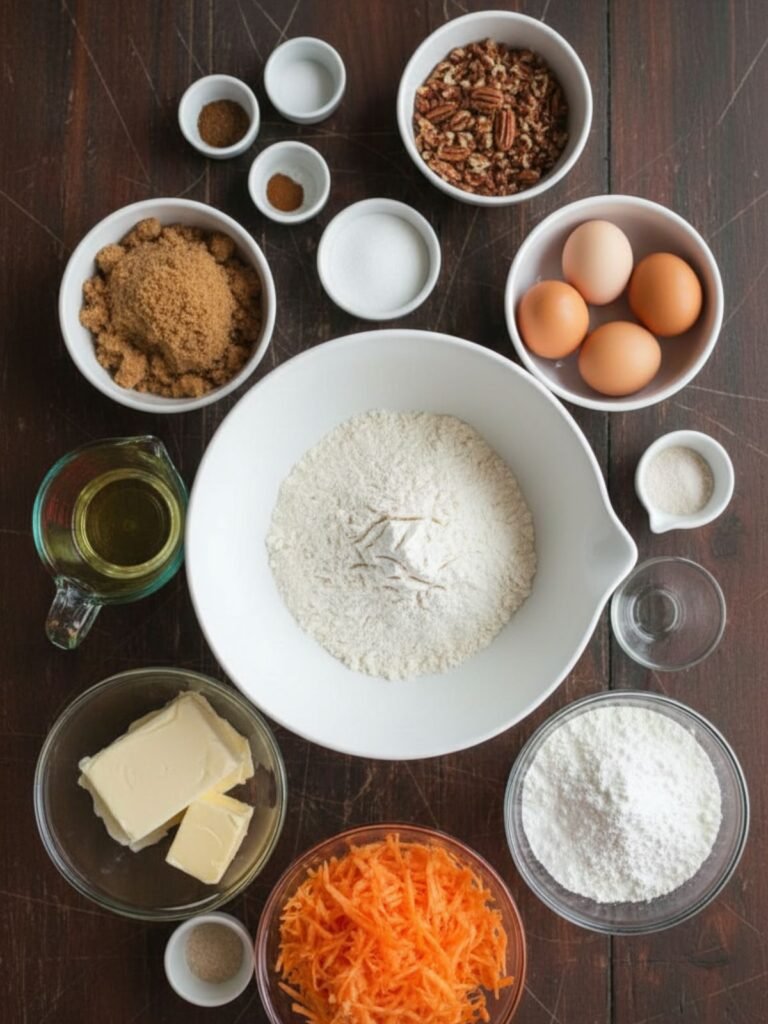
- 2 cups chopped pecans or walnuts
- 1 1/2 cups packed brown sugar
- 1/2 cup granulated sugar
- 1 cup neutral vegetable oil
- 4 large eggs, room temperature
- 3/4 cup unsweetened applesauce
- 2 teaspoons pure vanilla extract
- 2 1/2 cups all-purpose flour
- 2 teaspoons baking powder
- 1 teaspoon baking soda
- 1/2 teaspoon salt
- 2 teaspoons ground cinnamon
- 1 teaspoon ground ginger
- 1/4 teaspoon nutmeg
- 1/4 teaspoon ground cloves
- 2 cups freshly grated carrots
Cream Cheese Frosting
- 16 ounces full-fat brick cream cheese
- 1/2 cup unsalted butter
- 4 cups confectioners’ sugar
- 1 1/2 teaspoons vanilla extract
- 1 pinch salt
If you need to convert ingredient measurements, adjust baking temperatures, or switch between US and metric units, use our complete baking measurement conversion calculator.
Optional Add-Ins & Substitutions
- Swap applesauce for crushed pineapple (well drained)
- Add 1 cup raisins for traditional texture
- Replace pecans with walnuts
- Stir in 1/2 cup shredded coconut
- Use melted coconut oil instead of vegetable oil
Baking Science Behind This Recipe
The structure of a successful homemade carrot cake recipe depends heavily on fat distribution and sugar composition. Oil creates a softer crumb than butter because it remains liquid at room temperature, keeping the cake tender even after refrigeration. Brown sugar contains molasses, which is hygroscopic, meaning it attracts and retains moisture. This is why carrot cake recipe often tastes better the next day. Applesauce contributes pectin and additional moisture without thinning the batter excessively.
Spices bloom in the presence of fat and heat, which is why whisking them into the dry ingredients ensures even distribution. Baking powder and baking soda work together to provide balanced lift, preventing dense or gummy centers. According to the baking guidelines shared by King Arthur Baking Company (do follow reference), proper acid balance is essential when using baking soda. In this case, brown sugar and applesauce provide the slight acidity needed for ideal rise. Every element is designed to produce consistent, bakery-quality results.
Step-by-Step Instructions
Toast the Nuts: Preheat the oven to 300°F and spread nuts evenly on a parchment-lined sheet. Toast for 6–8 minutes until fragrant. This deepens flavor and removes raw bitterness. Cool completely before adding to batter.
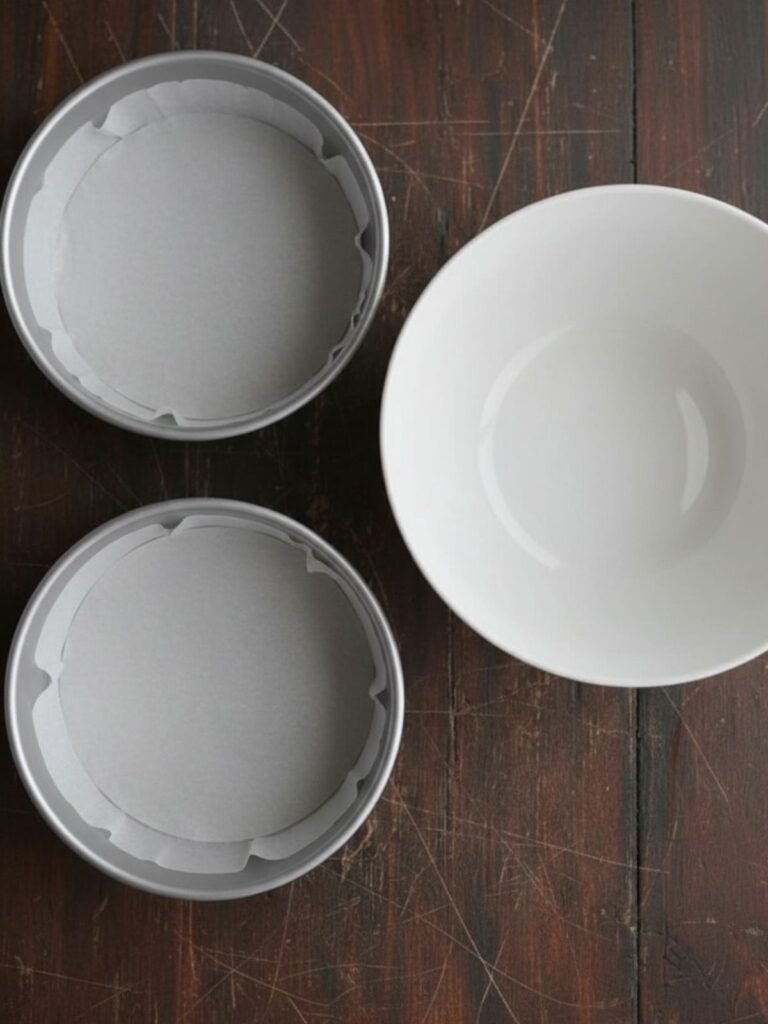
Prepare the Pans: Increase oven temperature to 350°F. Grease and line two or three 9-inch pans with parchment rounds. Proper lining prevents sticking and ensures clean layer release.
Mix Wet Ingredients: Whisk brown sugar, granulated sugar, oil, eggs, applesauce, and vanilla until smooth. The mixture should look glossy and slightly thickened.
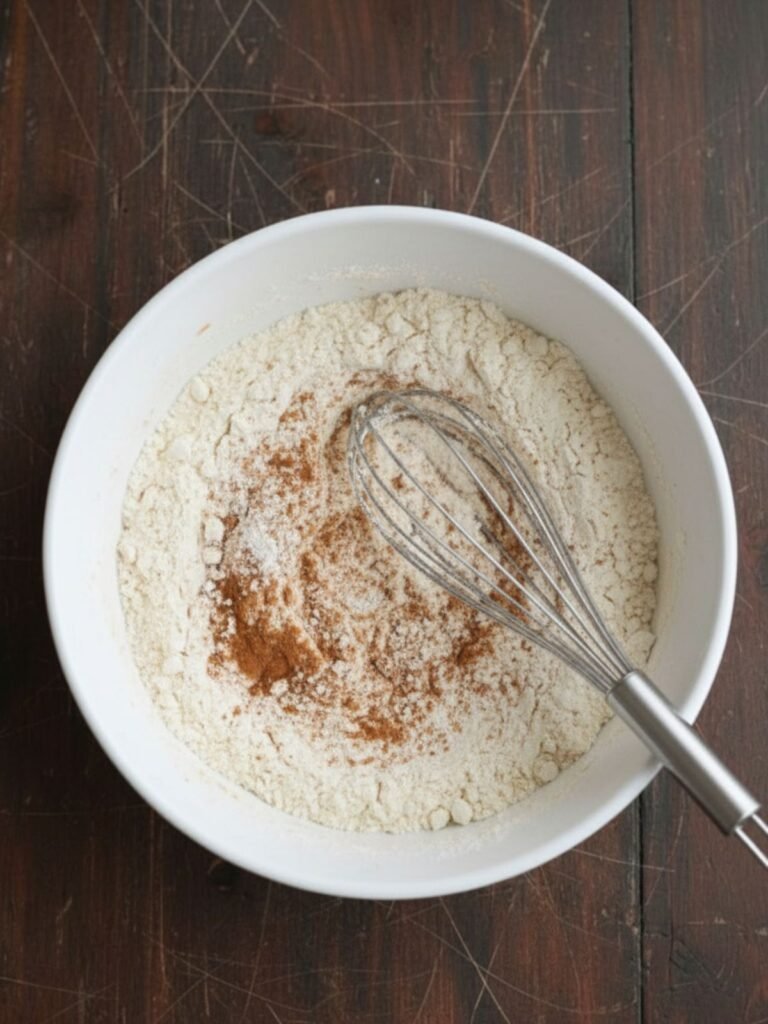
Combine Dry Ingredients: In a separate bowl, whisk flour, leaveners, salt, and spices. Even distribution prevents uneven pockets of spice or rise.
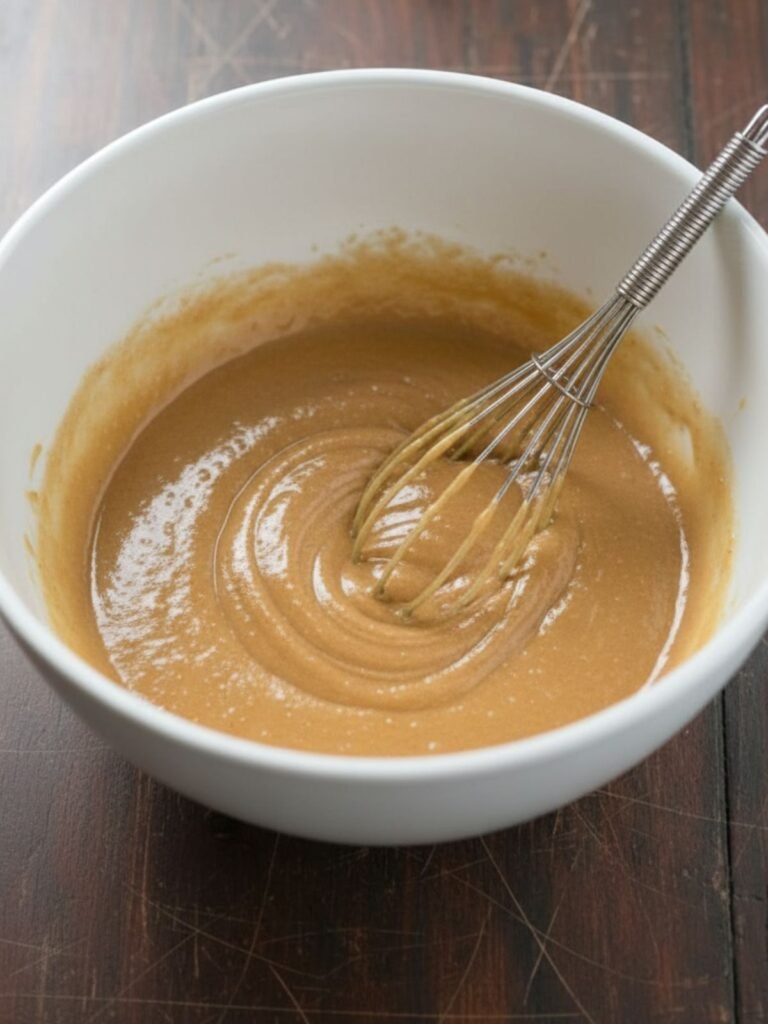
Combine Batter: Fold dry mixture into wet ingredients gently. Stop mixing once flour disappears to avoid overdeveloping gluten.
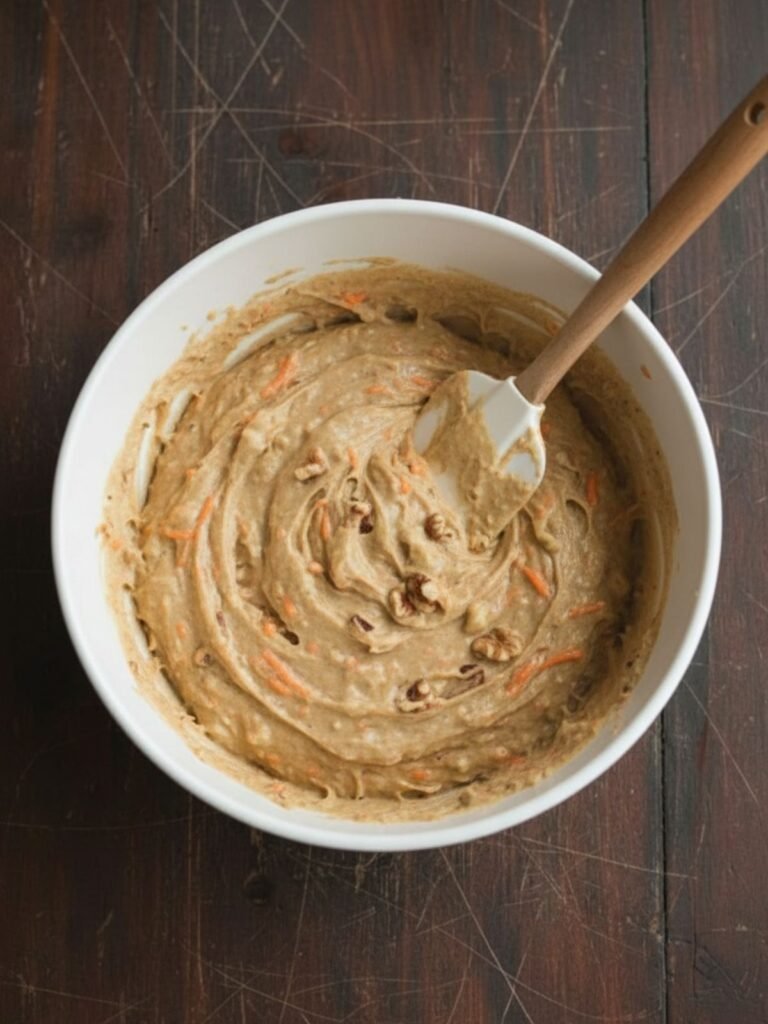
Add Carrots and Nuts: Fold in grated carrots and half the toasted nuts. The batter should look thick but spoon able.
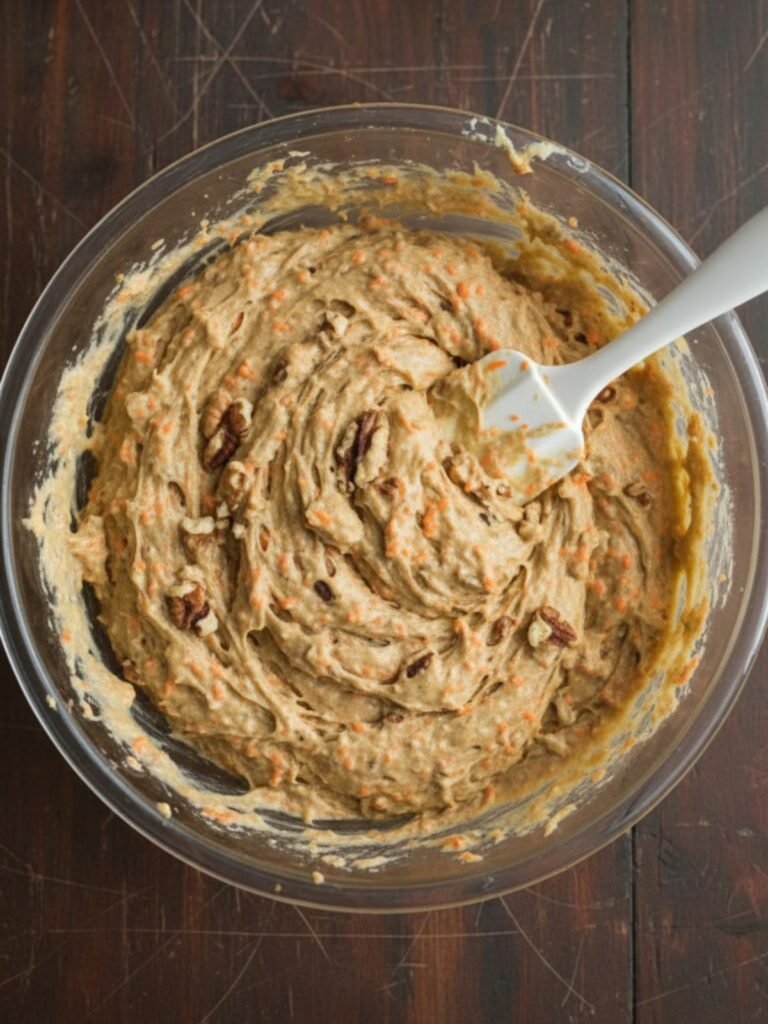
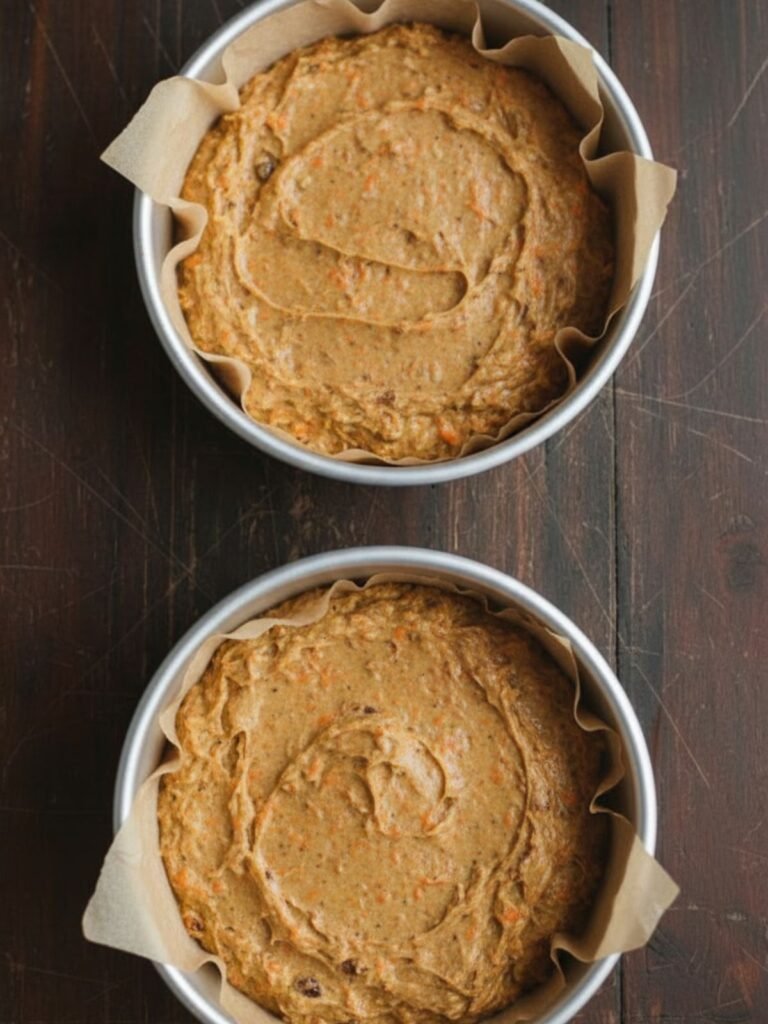
Bake: Divide batter evenly and bake 25–35 minutes depending on pan count. The center should spring back lightly when touched.
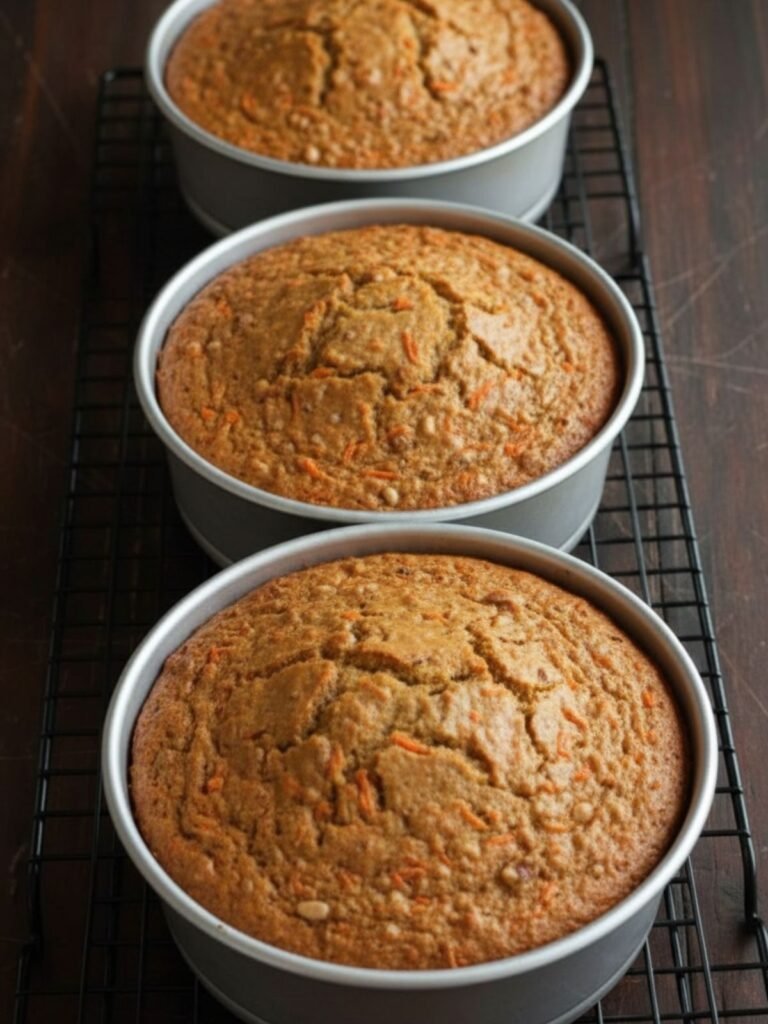
Cool Completely: Allow cakes to cool fully before frosting to prevent melting and sliding layers.
Prepare Frosting: Beat cream cheese and butter until smooth. Add sugar gradually, then vanilla and salt. Whip until fluffy but stable.
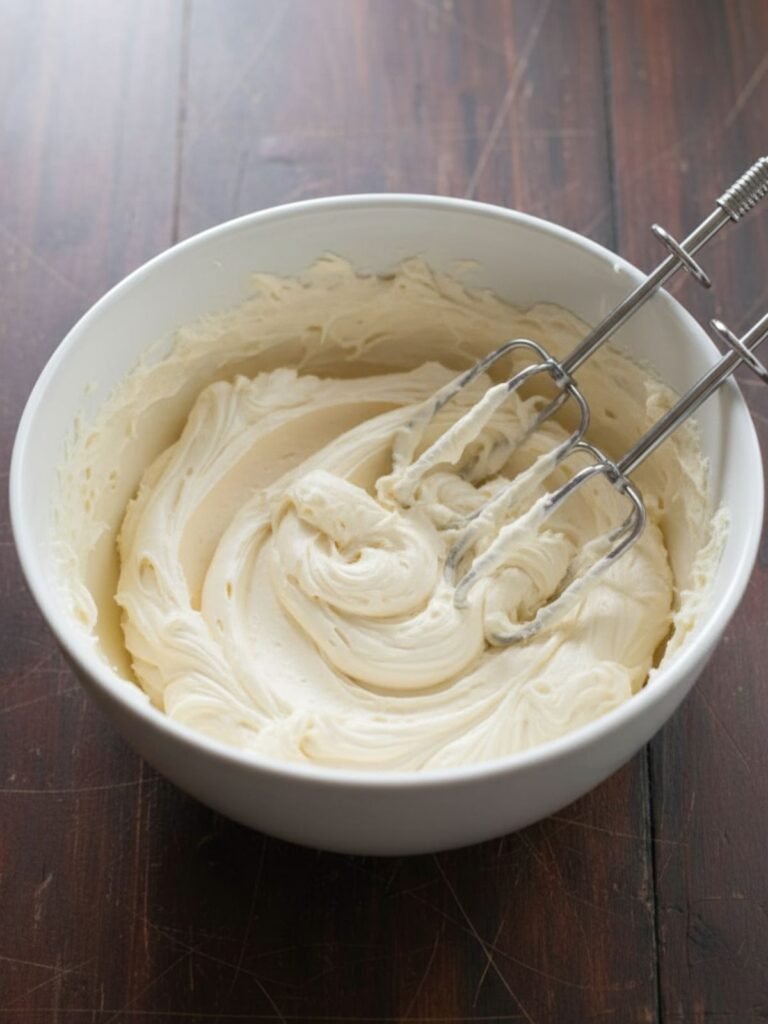
Assemble: Level layers, spread frosting evenly between layers, then cover top and sides. Chill briefly before slicing for clean cuts.
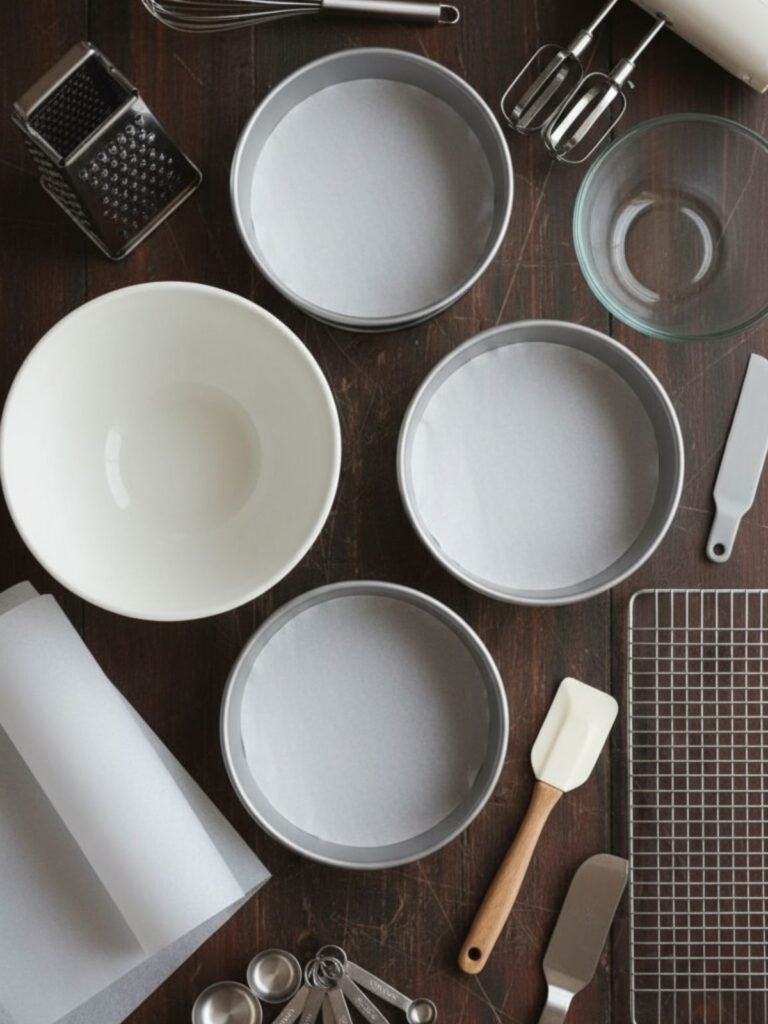
Baking Tools & Equipment
- 9-inch round cake pans
- Parchment paper
- Box grater
- Mixing bowls
- Whisk
- Silicone spatula
- Electric mixer
- Offset spatula
- Cooling rack
“Each baking tool listed above was carefully selected for consistent results. Click any product name to explore trusted kitchen essentials.”
How To Know When Baking Is Done
A properly baked carrot cake recipe will show subtle pulling from the pan edges. The center should spring back gently when pressed with a fingertip. A toothpick inserted into the center should come out with a few moist crumbs but no wet batter. Overbaking can dry the cake, so begin checking at the earliest recommended time. The internal temperature should register around 205°F when tested with a thermometer. Cooling fully ensures proper structure before frosting.
Common Mistakes To Avoid
- Using pre-shredded carrots
- Overmixing batter
- Skipping parchment lining
- Frosting warm layers
- Under-measuring flour
Storage & Freezing Guide
- Store covered in refrigerator up to 5 days
- Bring to room temperature before serving
- Freeze unfrosted layers up to 3 months
- Wrap tightly in plastic and foil
- Thaw overnight in refrigerator
Flavor Variations
- Orange zest in frosting
- Maple cream cheese frosting
- Brown butter glaze
- Pineapple carrot twist
- Spiced chai version
Frequently Asked Questions
1. Can I make this carrot cake recipe ahead of time?
Yes, this cake actually improves with time. The flavors deepen and moisture distributes evenly throughout the layers. Prepare and frost one day in advance for best results. Store covered in the refrigerator. Bring to room temperature before serving for optimal texture.
2. Why is my carrot cake recipe dense?
Density often comes from overmixing or inaccurate flour measurement. Always spoon and level flour rather than scooping directly from the bag. Fold gently once combining wet and dry ingredients. Ensure leaveners are fresh and active.
3. Can I make cupcakes with this carrot cake recipe?
Absolutely, this batter adapts beautifully to cupcakes. Fill liners two-thirds full and bake 20–22 minutes at 350°F. The texture remains moist and tender. Frost once completely cooled.
4. What nuts work best in carrot cake recipe?
Pecans offer buttery richness, while walnuts provide slight bitterness that balances sweetness. Both work beautifully in this recipe. Toasting enhances either option. Choose based on flavor preference.
Expert Baker Tips
- Always grate carrots fresh for maximum moisture
- Chill frosting briefly before decorating
- Weigh ingredients for best accuracy
- Toast spices lightly for deeper aroma
- Let cake rest overnight for peak flavor
Related Recipes From Our Kitchen
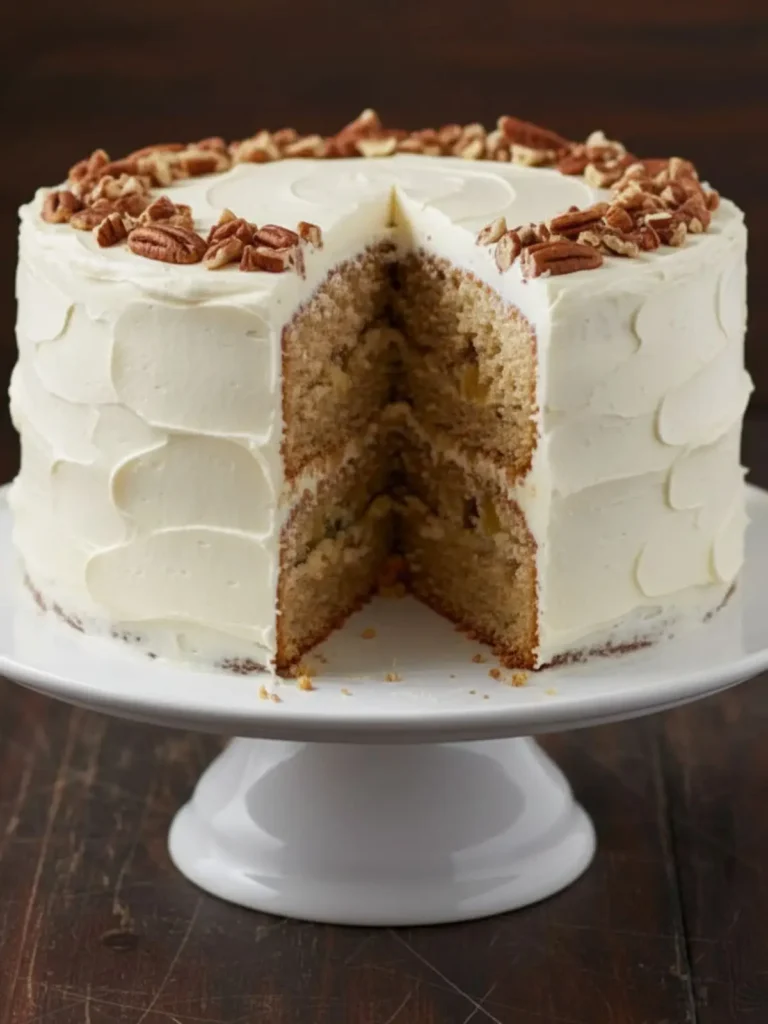
- Hummingbird Cake Recipe – A Southern classic filled with banana, pineapple, and pecans, finished with luscious cream cheese frosting.
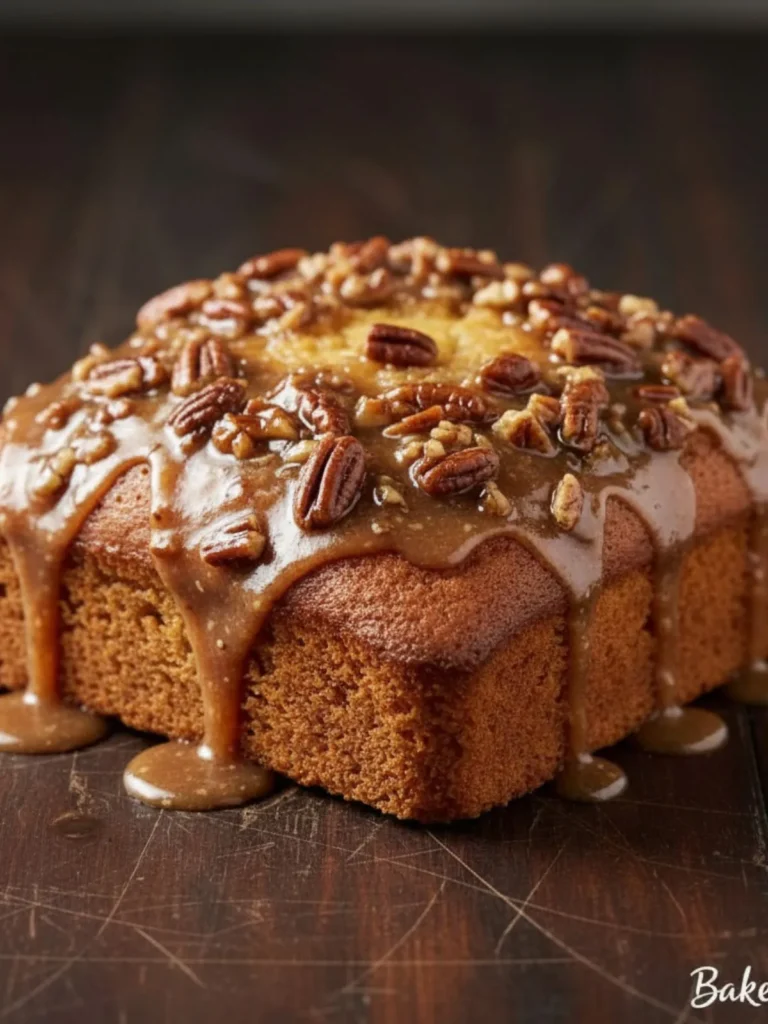
- Do Nothing Cake Recipe – An old-fashioned favorite topped with a rich, buttery coconut pecan glaze that soaks into every bite.
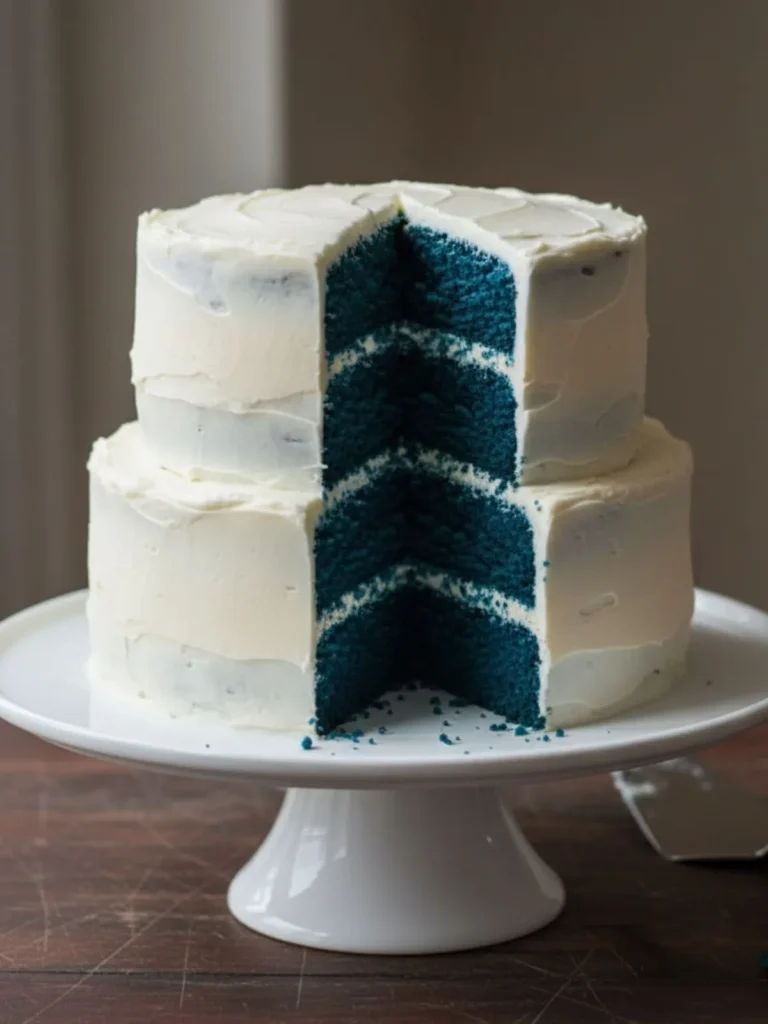
- Blue Velvet Cake Recipe – A vibrant twist on traditional velvet cake with a soft crumb and smooth cream cheese frosting.
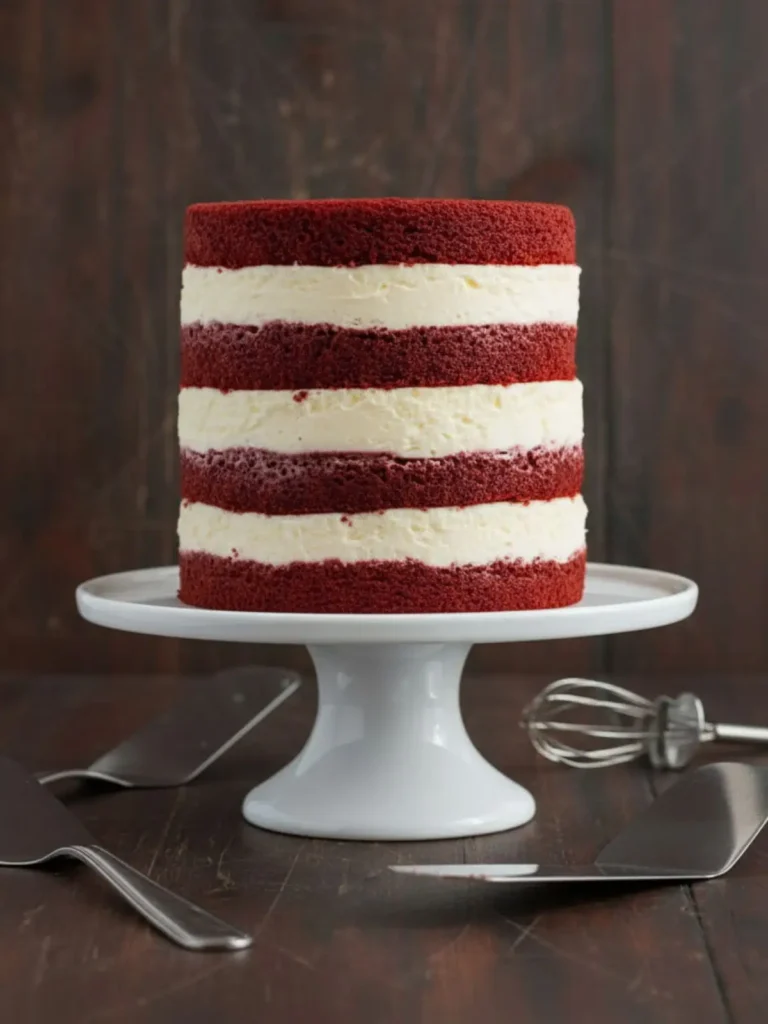
- Red Velvet Cheesecake Recipe – Decadent layers of red velvet cake and creamy cheesecake for an impressive, celebration-worthy dessert.
Final Baking Notes
A truly exceptional carrot cake recipe is about balance, patience, and quality ingredients. When baked with care, the layers remain plush, flavorful, and deeply satisfying. The cream cheese frosting should complement, not overpower, the spices within the crumb. Allowing the cake to rest enhances both structure and taste, transforming it from good to unforgettable. Whether served at a holiday gathering or simple family dinner, this cake consistently earns praise. Once you master it, it becomes part of your baking legacy.
Carrot Cake Recipe
Ingredients
Equipment
Method
- Preheat oven to 300°F. Spread nuts on a parchment-lined baking sheet and toast for 6–8 minutes until fragrant. Cool completely.
- Increase oven temperature to 350°F. Grease and line two or three 9-inch cake pans with parchment paper.
- In a large bowl, whisk brown sugar, granulated sugar, oil, eggs, applesauce, and vanilla until smooth.
- In another bowl, whisk flour, baking powder, baking soda, salt, cinnamon, ginger, nutmeg, and cloves.
- Fold dry ingredients into wet ingredients until just combined. Do not overmix.
- Fold in grated carrots and half of the toasted nuts.
- Divide batter evenly into prepared pans. Bake 25–35 minutes until the center springs back and a toothpick comes out with moist crumbs.
- Cool cakes in pans for 1 hour, then remove and cool completely on a rack.
- Beat cream cheese and butter until smooth. Gradually add confectioners’ sugar, then mix in vanilla and salt until fluffy.
- Level cake layers if needed. Spread frosting between layers and over top and sides. Chill at least 20 minutes before slicing.
Notes
- Always use freshly grated carrots for maximum moisture and natural sweetness.
- Toasting nuts enhances flavor and prevents a raw, bitter taste.
- Measure flour correctly by spooning and leveling to avoid a dense cake.
- Do not overmix the batter once flour is added to prevent toughness.
- Allow cake layers to cool fully before frosting to prevent melting.
- Chill frosted cake briefly before slicing for cleaner cuts.
- Store covered in the refrigerator for up to 5 days for best freshness.
- Bring refrigerated cake to room temperature before serving for optimal texture.
- Freeze unfrosted layers tightly wrapped for up to 3 months.
- For extra flavor depth, let the frosted cake rest overnight before serving.
- Ensure cream cheese and butter are softened for smooth frosting texture.
- Check doneness early to avoid overbaking and drying out the cake.