






Introduction
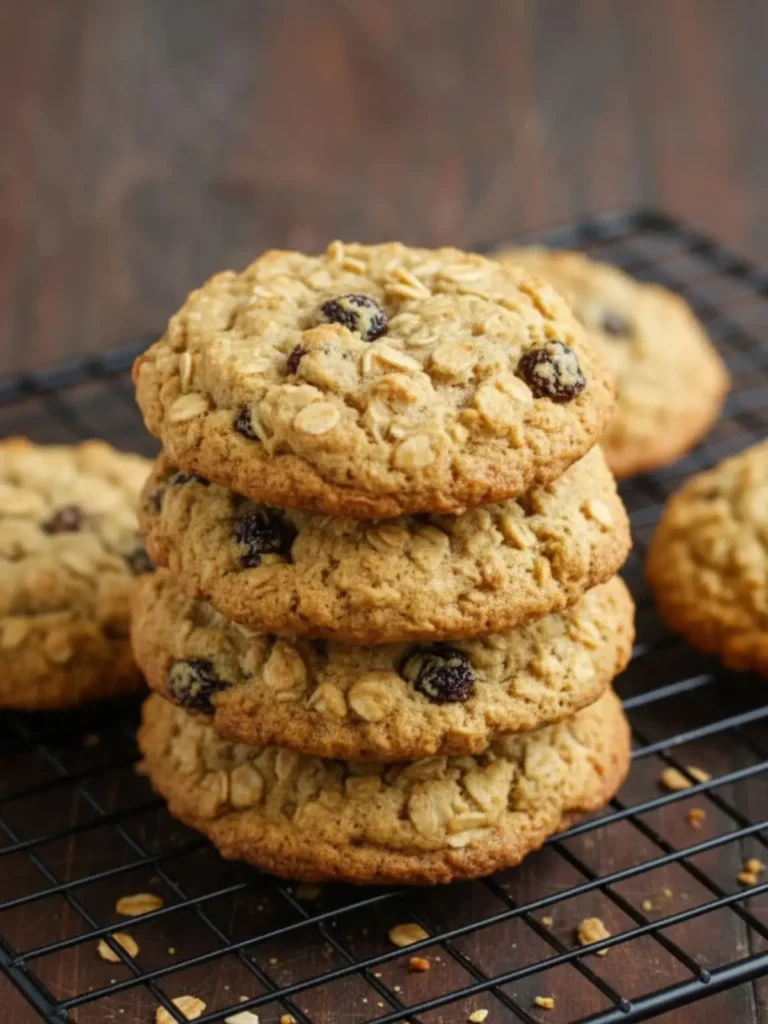
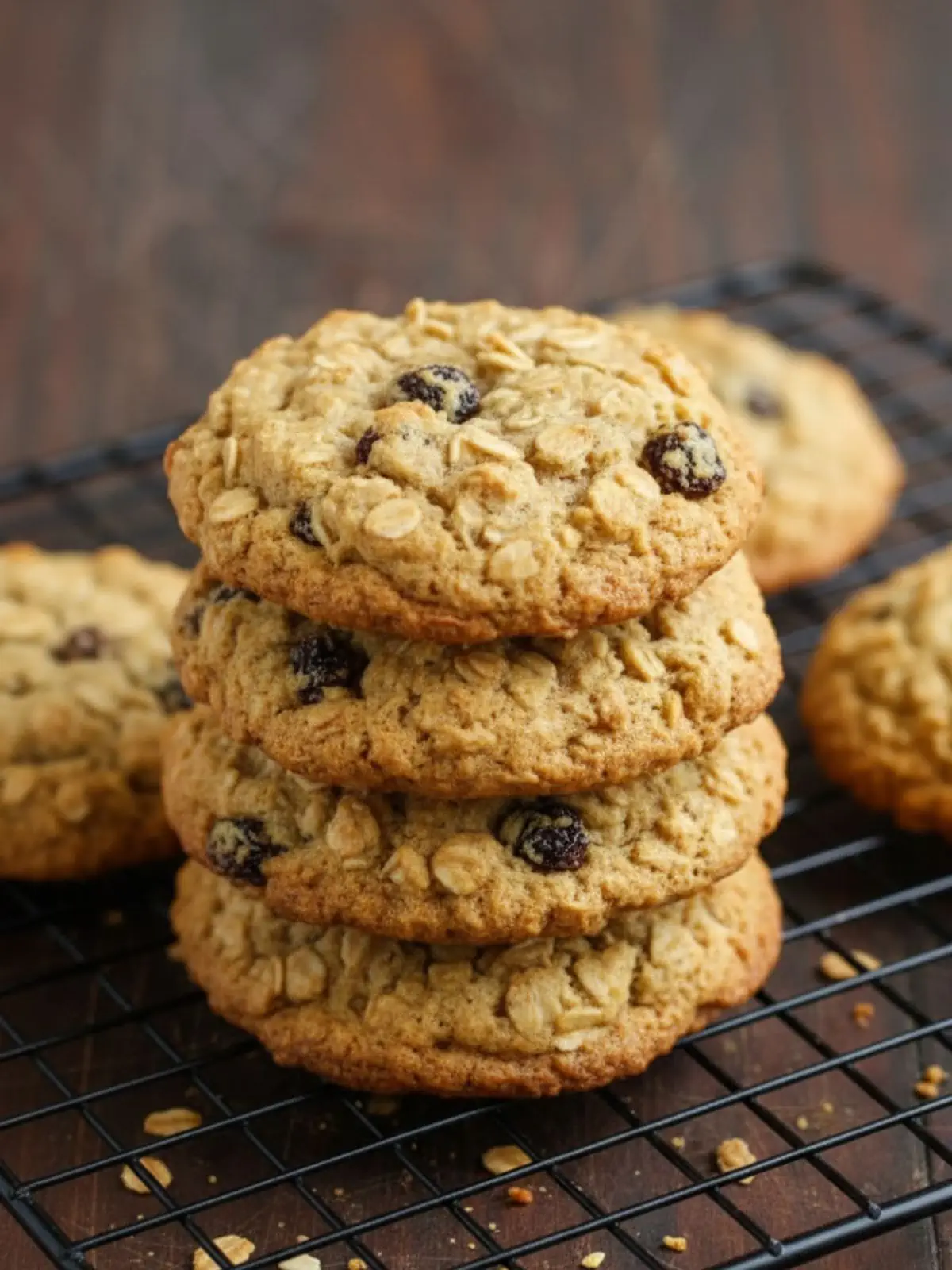
Few cookies bring the same comforting nostalgia as oatmeal raisin cookies fresh from the oven. As they bake, the kitchen fills with the warm aroma of cinnamon, toasted oats, and rich buttery dough. Each cookie develops slightly crisp golden edges while the centers stay soft and chewy, creating that classic texture everyone loves. The rolled oats add hearty structure and a subtle nutty flavor, while plump raisins provide little bursts of natural sweetness in every bite. It’s the kind of cookie that feels both homemade and timeless, reminding many people of family kitchens and freshly baked treats shared with loved ones.
One reason these cookies remain so popular is their perfect balance of flavors. Instead of being overly sugary, oatmeal raisin cookies deliver deep caramel richness from brown sugar and gentle warmth from cinnamon. The oats give the cookies a satisfying chew and rustic texture that makes them feel hearty and wholesome. Raisins soften during baking, becoming juicy and tender inside the dough, which adds moisture and contrast to the cookie’s structure. When all these ingredients bake together, they create layers of flavor that feel comforting, cozy, and incredibly satisfying.
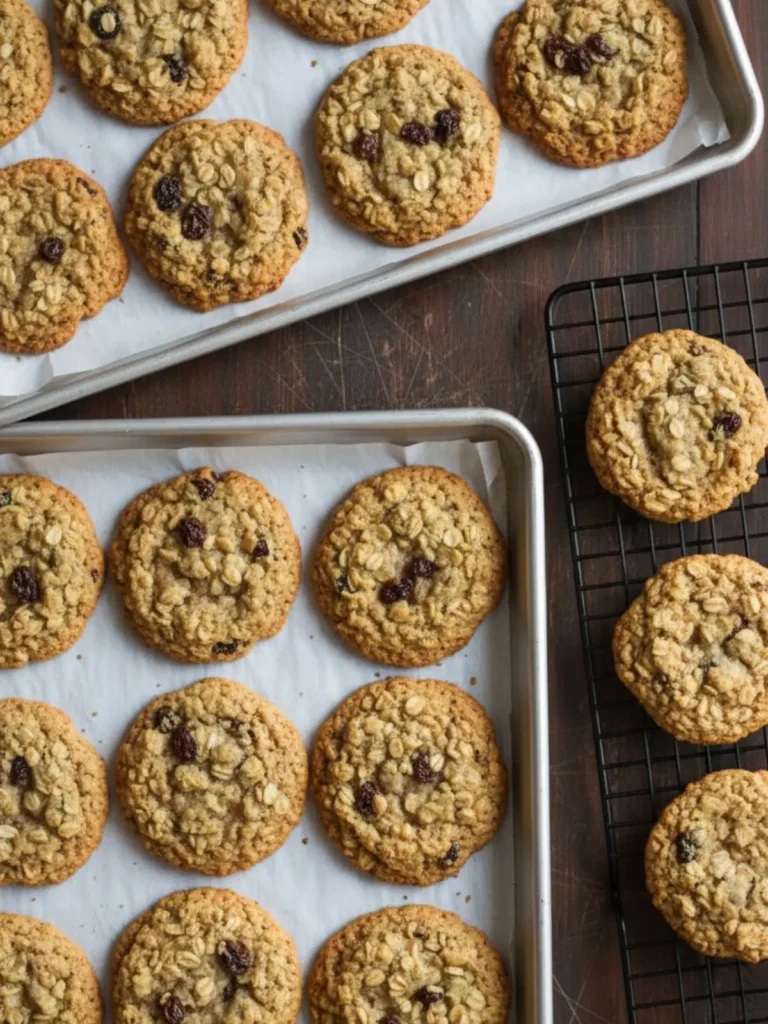
The raisins also play a critical role. Rather than overpowering the cookie, they provide bursts of sweetness that contrast with the buttery dough. Combined with cinnamon and vanilla, they create a flavor profile that feels cozy, warm, and deeply satisfying. Once you master this recipe, you’ll understand why oatmeal raisin cookies remain one of the most beloved classic cookies in American baking.
Why This Recipe Works
• Toasting the oats intensifies their nutty flavor and adds extra texture.
• The blend of brown sugar and granulated sugar creates the perfect chewy-to-crisp balance.
• Room temperature butter creams smoothly for a lighter cookie structure.
• Cinnamon enhances the warm, comforting flavor profile.
• A carefully balanced flour-to-oat ratio keeps cookies soft without becoming cakey.
• No chilling required, making this a quick and easy cookie recipe.
What Makes This Recipe Special
Many oatmeal raisin cookie recipes simply mix oats into the dough and call it a day. While that approach works, it misses an opportunity to deepen the cookie’s flavor. In this recipe, the oats are lightly toasted before being added to the dough. This small step dramatically improves the final cookie, bringing out a rich, nutty aroma that pairs beautifully with butter and brown sugar.
Another standout feature of this recipe is the texture balance. Too much flour makes oatmeal cookies dry and cakey, while too many oats can make them crumbly. By carefully measuring both ingredients and creaming the butter properly, you achieve a dough that spreads just enough during baking while maintaining a soft center.
These cookies are the kind that disappear quickly from cookie jars and holiday trays. They’re sturdy enough for lunchboxes yet soft enough to feel indulgent.
Taste & Texture Results
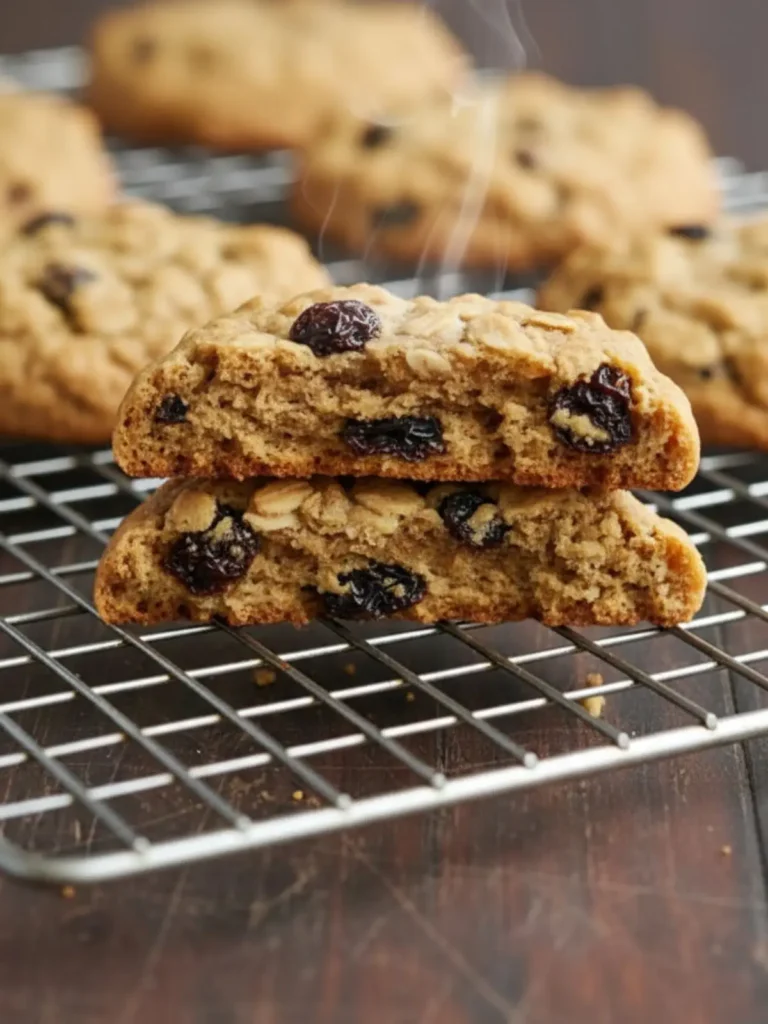
• Crisp golden edges with soft, chewy centers
• Toasty oat flavor that adds warmth and depth
• Sweet, juicy raisins in every bite
• Subtle cinnamon spice that enhances the cookie aroma
• Rich buttery dough with caramel notes from brown sugar
• Bakery-style cookies with a satisfying chew
Ingredients
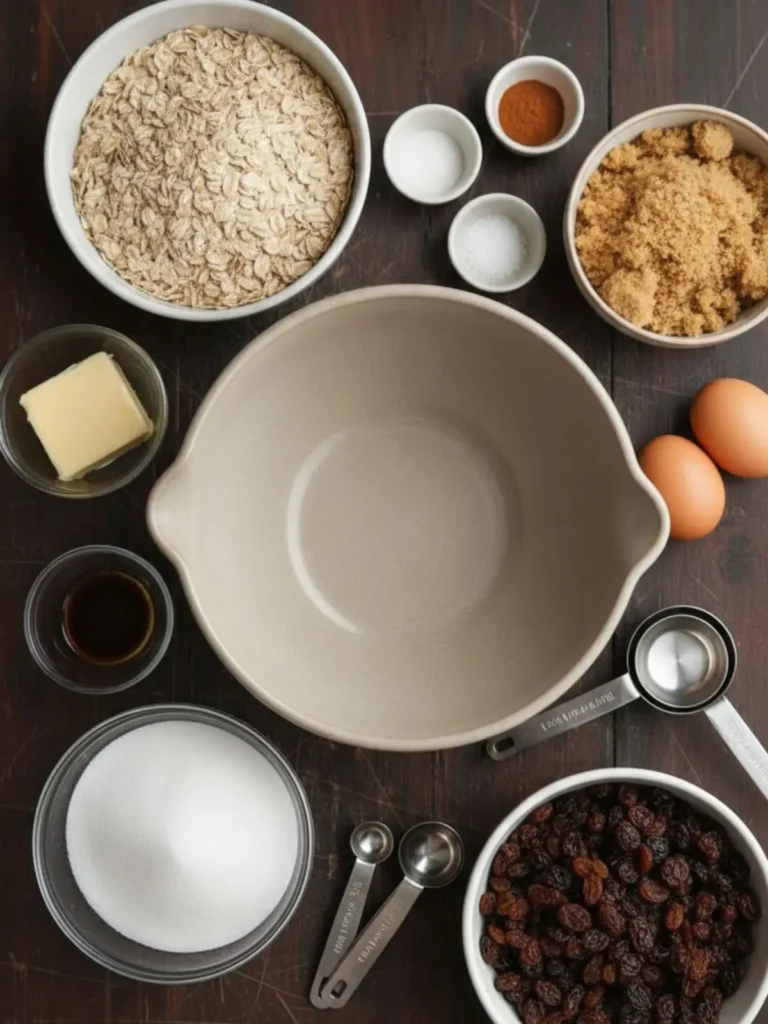
• 3 cups old-fashioned rolled oats
• 1 ½ cups all-purpose flour
• 1 teaspoon table salt
• 1 teaspoon baking soda
• 1 teaspoon ground cinnamon
• 1 cup unsalted butter, softened
• 1 cup packed light brown sugar
• ½ cup granulated sugar
• 1 tablespoon vanilla extract
• 2 large eggs
• 1 ⅓ cups raisins
If you need to convert ingredient measurements, adjust baking temperatures, or switch between US and metric units, use our complete baking measurement conversion calculator.
Optional Add-Ins & Substitutions
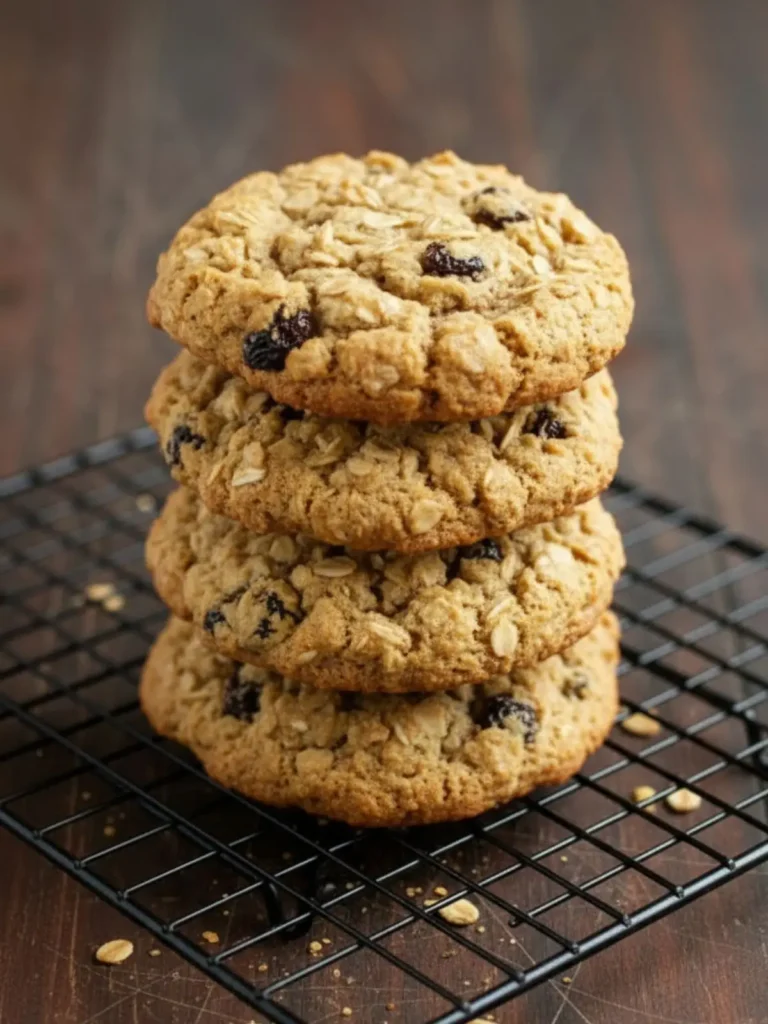
• Swap raisins for dried cranberries or dried cherries for a tart twist.
• Add ½ cup chopped walnuts or pecans for crunch.
• Mix in dark chocolate chips for a richer dessert-style cookie.
• Replace cinnamon with pumpkin spice for seasonal flavor.
• Use golden raisins for a milder fruit sweetness.
• Add orange zest for a subtle citrus note.
Baking Science Behind This Recipe
Great cookies rely on more than just good ingredients—they depend on understanding how those ingredients interact during baking.
Butter plays a central role in both flavor and texture. When creamed with sugar, it traps air pockets that expand in the oven. This process creates cookies that are light yet tender. Brown sugar also contains molasses, which adds moisture and contributes to the chewy texture that oatmeal cookies are known for.
Oats serve as more than just an ingredient; they act as a structural element in the cookie. Rolled oats absorb moisture from the dough and soften slightly during baking while maintaining a pleasant chew. Toasting them beforehand removes excess moisture and intensifies their nutty flavor.
The leavening agent, baking soda, reacts with the acidity in brown sugar. This reaction produces carbon dioxide bubbles that help the cookies spread and develop their classic slightly crinkled surface.
Cinnamon enhances flavor without overpowering the cookie. It pairs especially well with oats because its warm, sweet spice complements the grain’s natural nuttiness.
Together, these ingredients create a cookie that feels both hearty and indulgent.
Step-by-Step Instructions
1. Preheat the oven and prepare baking sheets
Preheat your oven to 350°F (175°C) and line three baking sheets with parchment paper. Preparing your pans first ensures the dough can be baked immediately once mixed, which helps maintain proper cookie texture.
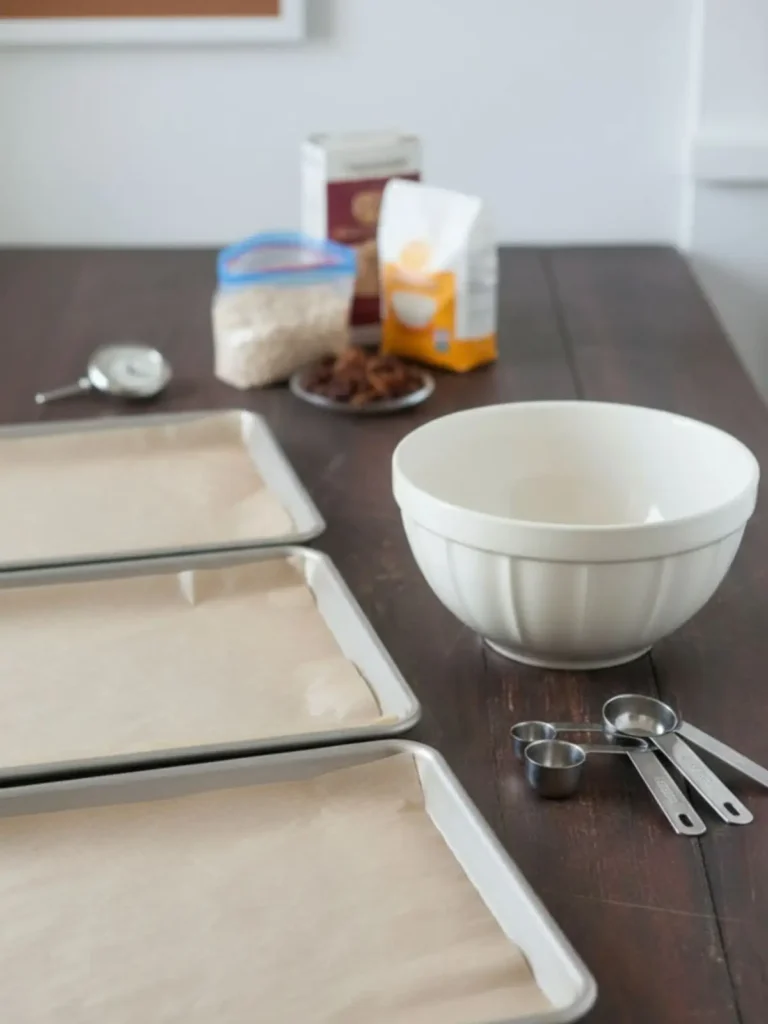
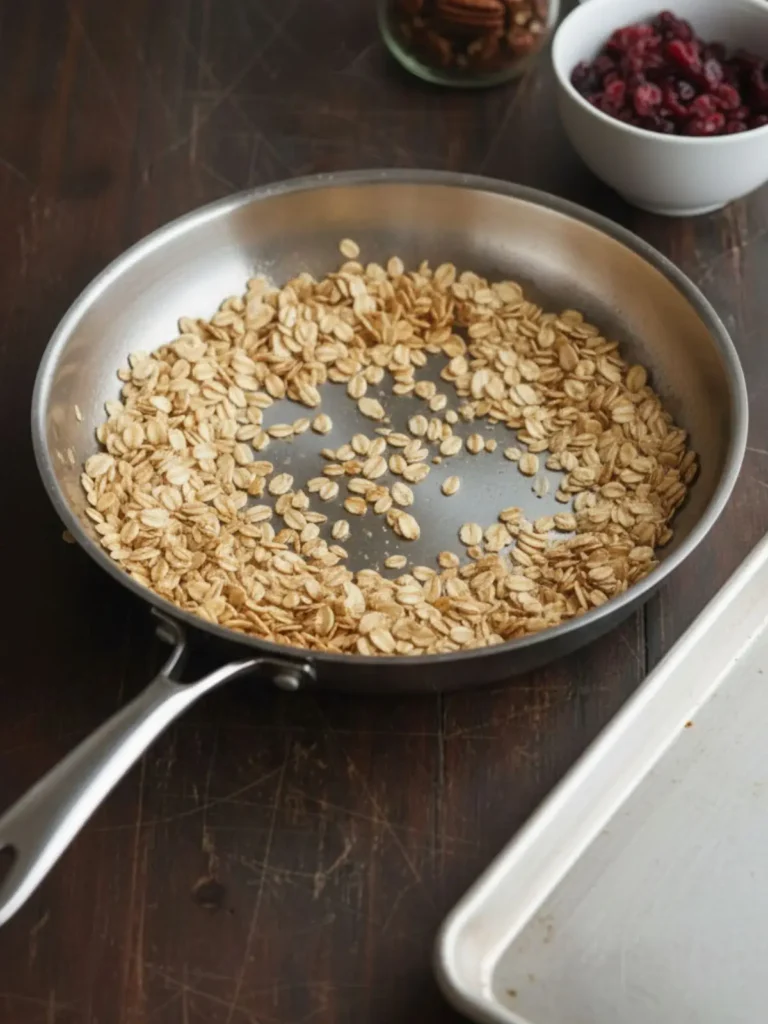
2. Toast the oats
Place the oats in a dry skillet over medium heat and cook for about 5 minutes, stirring frequently. Toasting enhances flavor and prevents the oats from tasting raw in the final cookie. The oats are ready when they smell nutty and lightly golden.
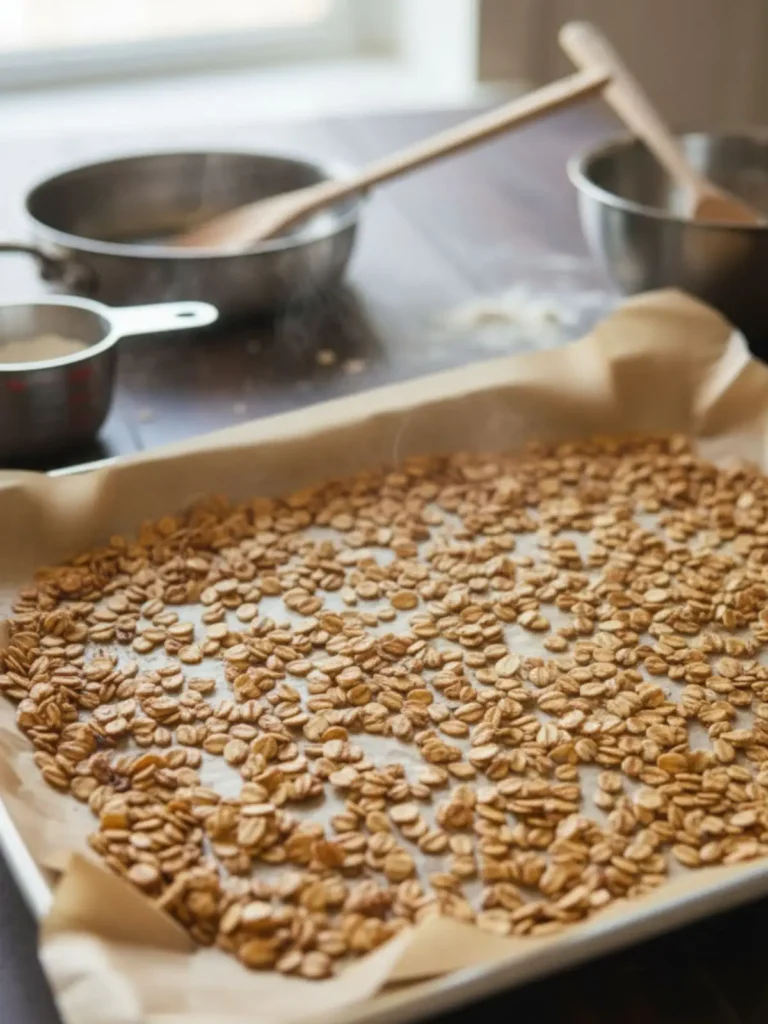
3. Cool the oats
Spread the toasted oats on a baking sheet and allow them to cool completely. Cooling prevents them from melting the butter in the dough prematurely.
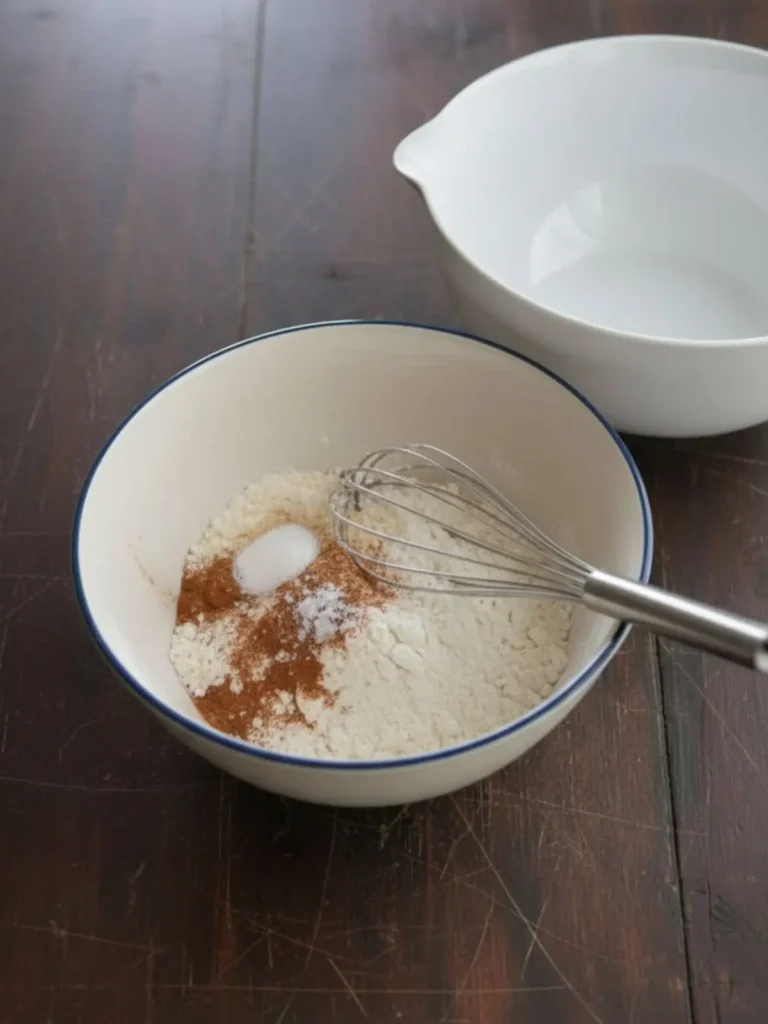
4. Mix the dry ingredients
In a medium bowl, whisk together flour, salt, baking soda, and cinnamon. This step evenly distributes the leavening agent and spices, ensuring consistent flavor throughout the cookies.
5. Cream butter and sugars
In a large bowl, beat the butter, brown sugar, and granulated sugar with an electric mixer for about 2 minutes until fluffy. Proper creaming creates air pockets that give cookies their tender texture.
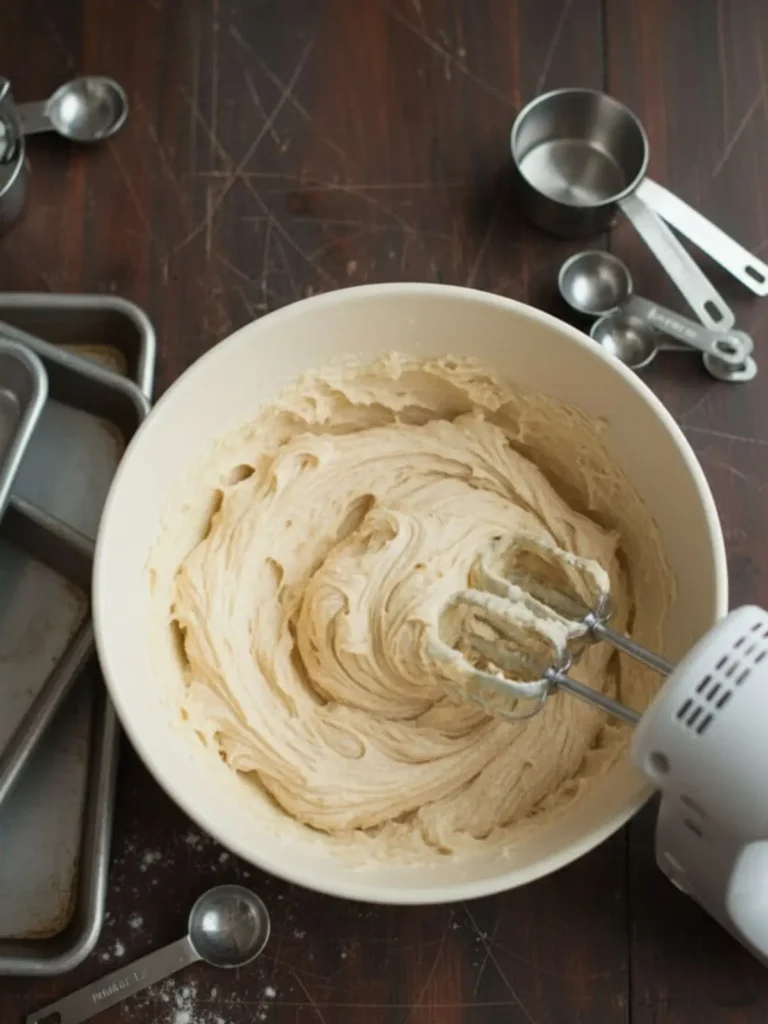
6. Add vanilla and eggs
Mix in the vanilla extract, then add the eggs one at a time. Adding eggs individually allows the batter to emulsify properly, creating a smooth and cohesive dough.
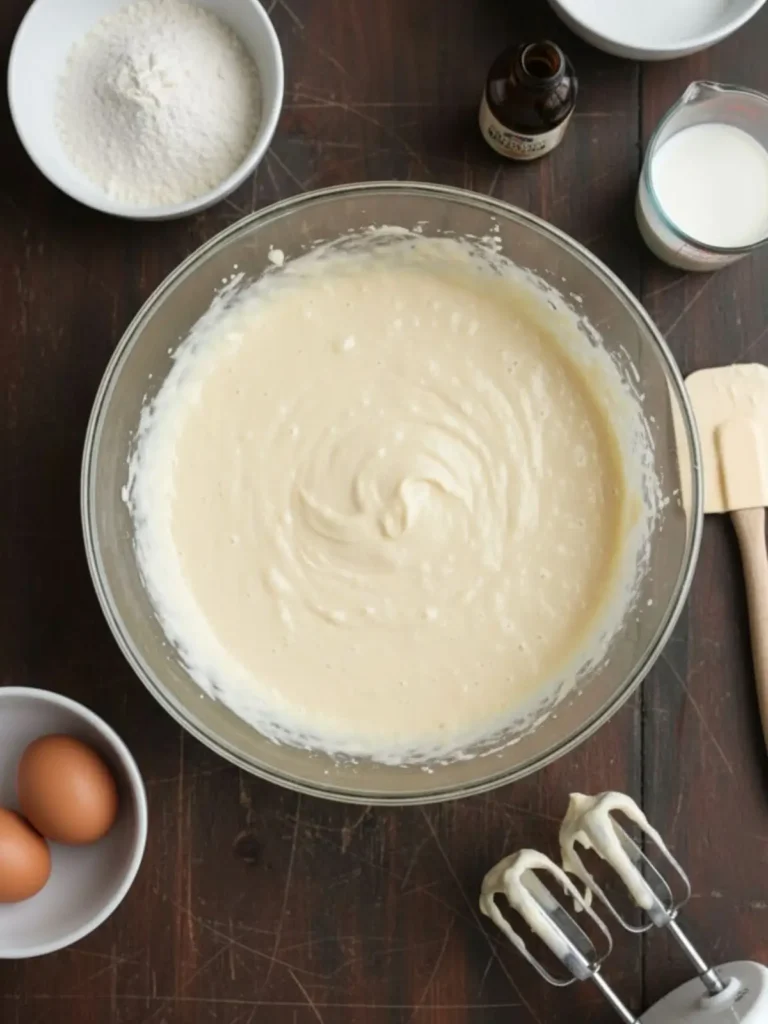
7. Combine wet and dry ingredients
Gradually mix the flour mixture into the butter mixture at low speed. Mixing slowly prevents overworking the gluten, which can make cookies tough.
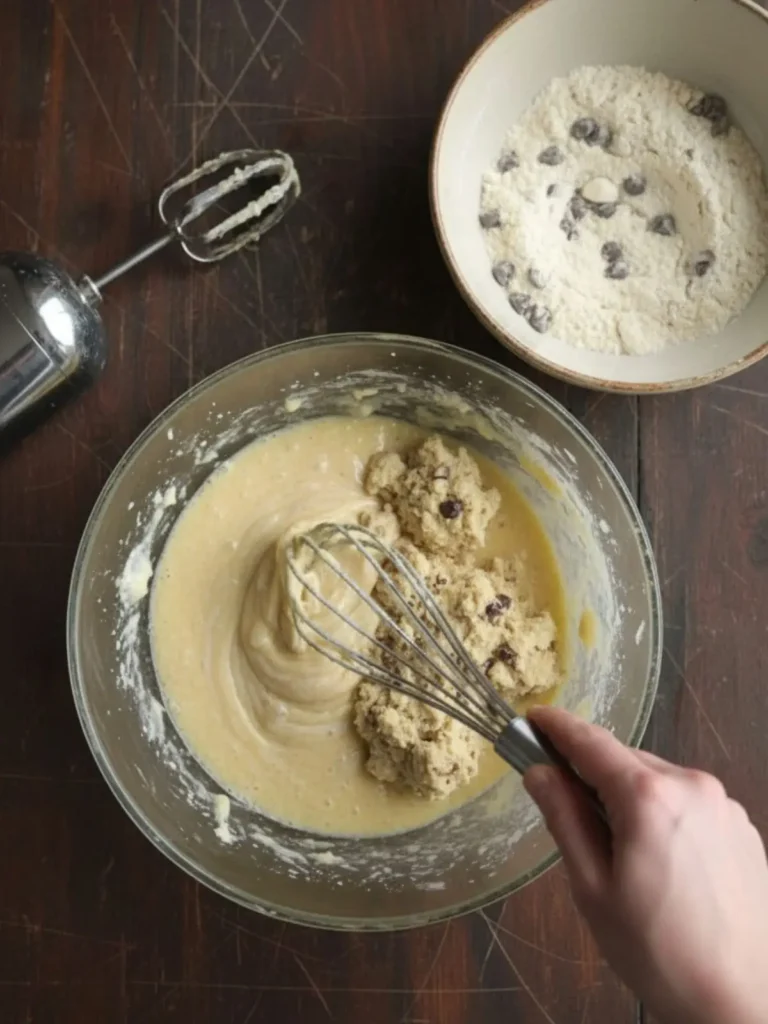
8. Fold in oats and raisins
Add the cooled toasted oats and raisins and mix until just combined. Overmixing at this stage can lead to dense cookies.
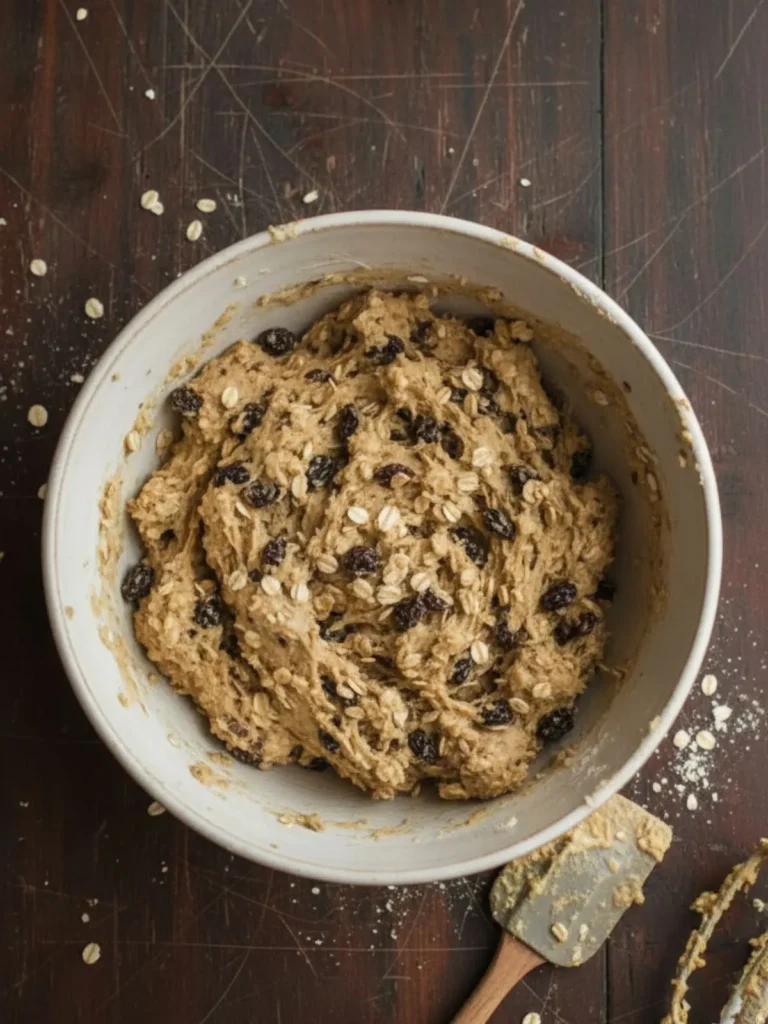
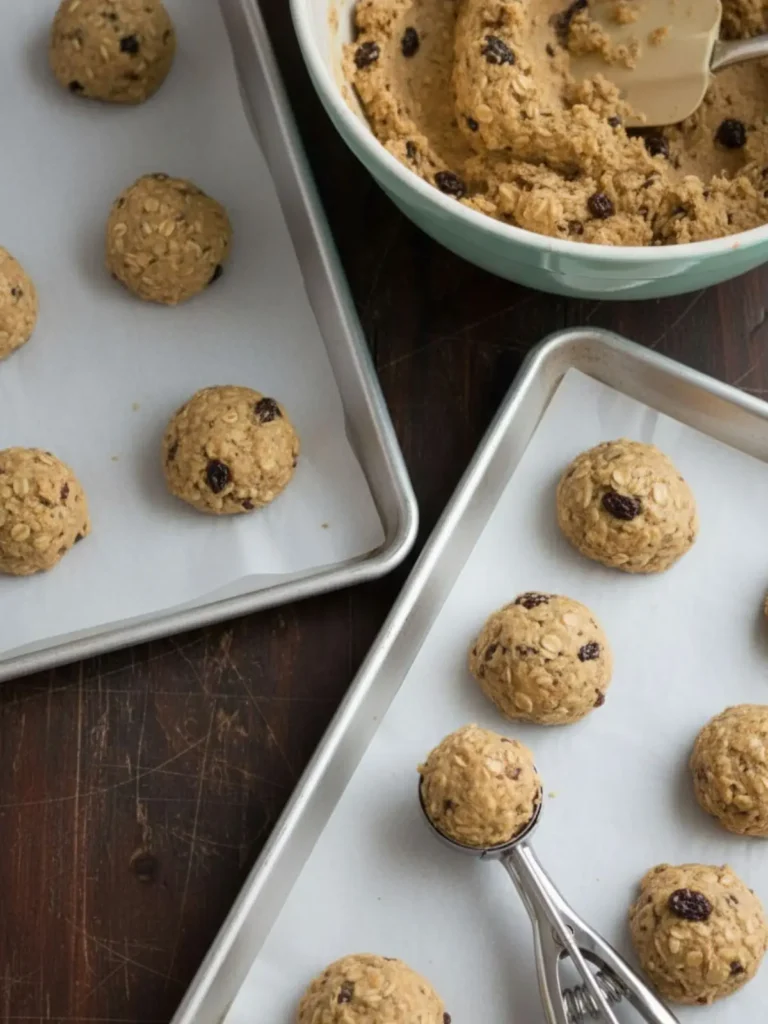
9. Scoop the cookie dough
Using a 2-tablespoon cookie scoop, portion dough onto the prepared baking sheets, spacing about 2 inches apart. Even scooping ensures consistent baking.
10. Bake the cookies
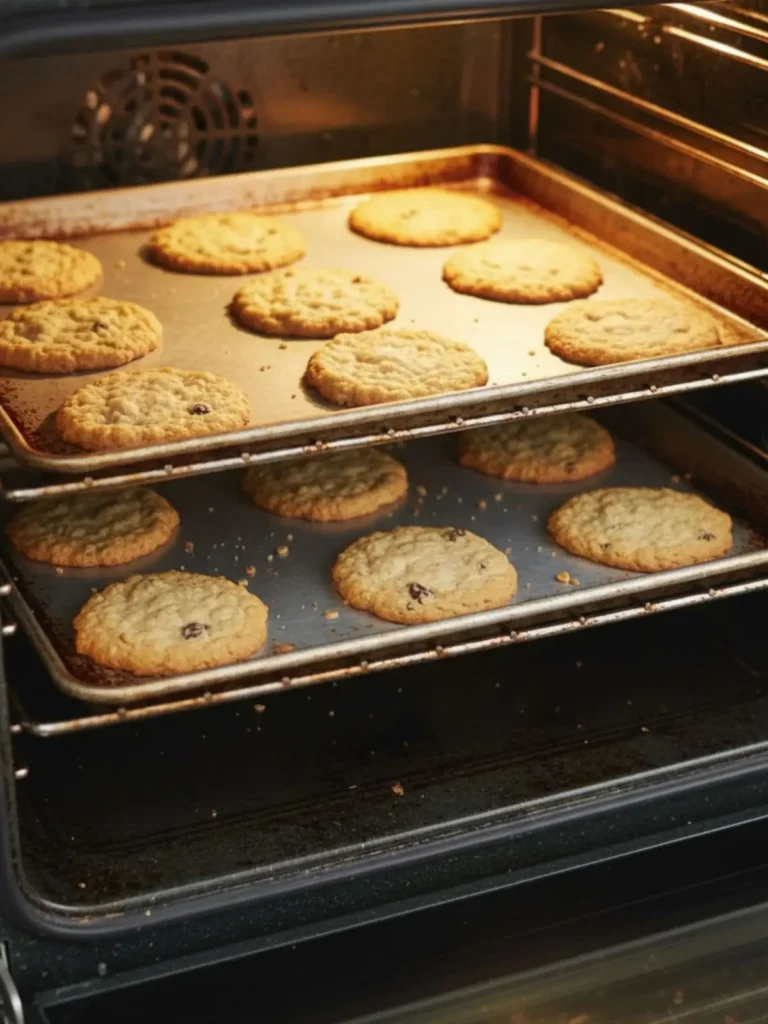
Bake two sheets at a time for 13–15 minutes, rotating the pans halfway through. Cookies are ready when the edges are golden and the centers look just set.
11. Cool properly
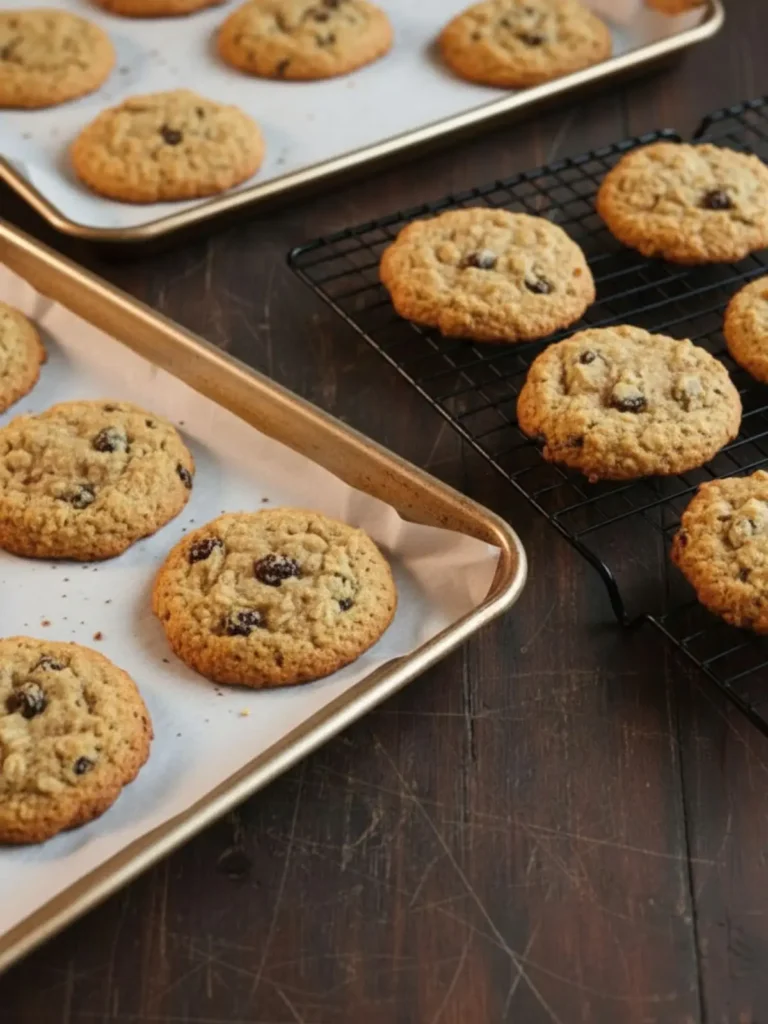
Let cookies cool on the pan for 2 minutes, then transfer to a wire rack. This resting period allows the cookies to firm up without overbaking.
Baking Tools & Equipment
• Large mixing bowl
• Electric mixer or stand mixer
• Baking sheets
• Parchment paper
• Medium mixing bowl
• Cookie scoop
• Wire cooling rack
• Large skillet (for toasting oats)
“Each baking tool listed above was carefully selected for consistent results. Click any product name to explore trusted kitchen essentials.”

How To Know When Baking Is Done
Oatmeal raisin cookies should be lightly golden around the edges with a slightly soft center when removed from the oven. The cookies will continue to firm up as they cool, so resist the temptation to overbake them.
Another helpful indicator is the surface texture. Properly baked cookies will appear slightly puffed in the center with delicate cracks forming across the top. If the cookies look glossy or wet in the middle, they likely need another minute or two.
The aroma is another clue. When your kitchen fills with the warm scent of butter, cinnamon, and toasted oats, the cookies are usually close to finished.
Common Mistakes To Avoid
• Using cold butter instead of softened butter
• Overmixing the cookie dough
• Skipping the oat toasting step
• Packing too much flour into measuring cups
• Overbaking the cookies
• Placing dough too close together on baking sheets
Storage & Freezing Guide
• Store baked cookies in an airtight container up to 1 week.
• Separate cookie layers with parchment paper to prevent sticking.
• Freeze baked cookies for up to 3 months.
• Freeze raw cookie dough balls for 3 months in freezer bags.
• Bake frozen dough directly from the freezer, adding 1–2 minutes of bake time.
Flavor Variations
• Chocolate Chip Oatmeal Cookies: Add 1 cup chocolate chips.
• Cranberry Oatmeal Cookies: Replace raisins with dried cranberries.
• Maple Oatmeal Cookies: Add 1 tablespoon maple syrup and reduce sugar slightly.
• Nutty Oatmeal Cookies: Mix in chopped pecans or walnuts.
• Orange Spice Oatmeal Cookies: Add orange zest for brightness.
Frequently Asked Questions
1. Why are my oatmeal raisin cookies dry?
Dry cookies are usually caused by too much flour or overbaking. Be sure to measure flour correctly using the spoon-and-level method and remove cookies from the oven when the centers still look slightly soft.
2. Can I use quick oats instead of rolled oats?
Quick oats will work in a pinch, but they absorb moisture faster and create a softer, less textured cookie. For the best chewy texture, old-fashioned rolled oats are strongly recommended.
3. Do I need to chill oatmeal raisin cookie dough?
This recipe does not require chilling. However, if your kitchen is very warm or your dough seems sticky, chilling it for 20 minutes can help control spreading.
4. How do I make thicker oatmeal raisin cookies?
For thicker cookies, chill the dough for 30 minutes before baking or add an extra tablespoon of flour.
Expert Baker Tips
• Toasting oats dramatically improves flavor.
• Use room temperature eggs for smoother dough.
• For extra chewy cookies, replace some granulated sugar with brown sugar.
• Slightly underbake cookies for the softest centers.
• Use a cookie scoop to ensure uniform baking.
• Let cookies rest on the pan briefly before transferring.
Related Recipes From Our Kitchen
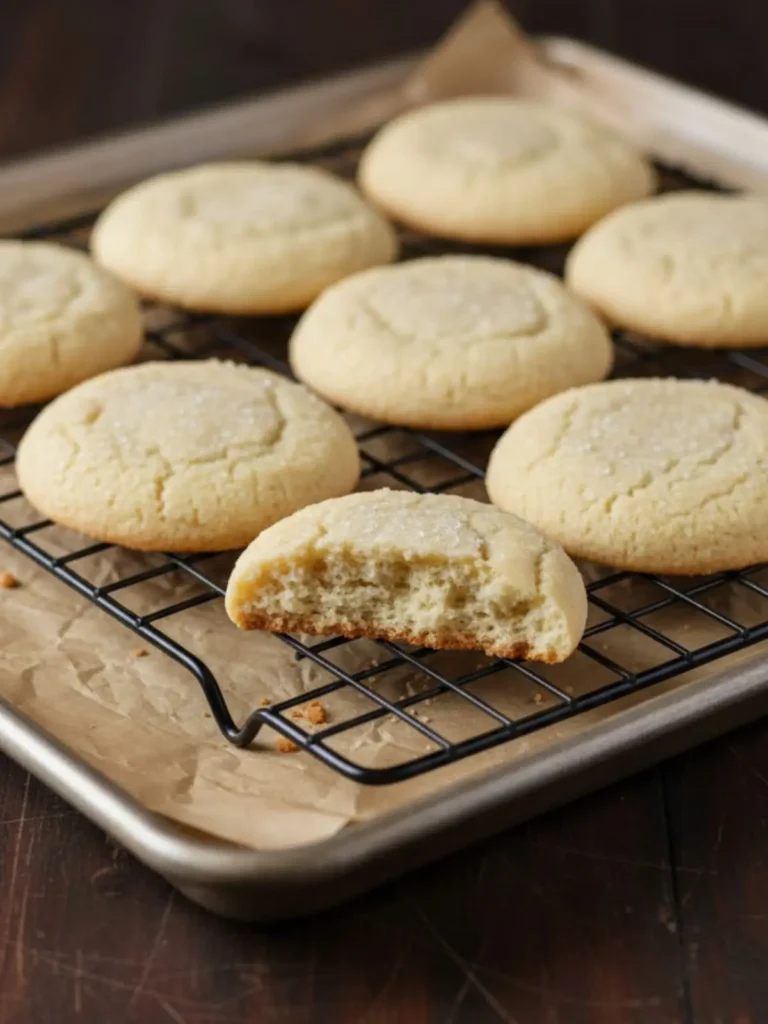
Easy Sugar Cookies Recipe
A classic buttery sugar cookie that’s perfect for holidays, decorating, or everyday baking.
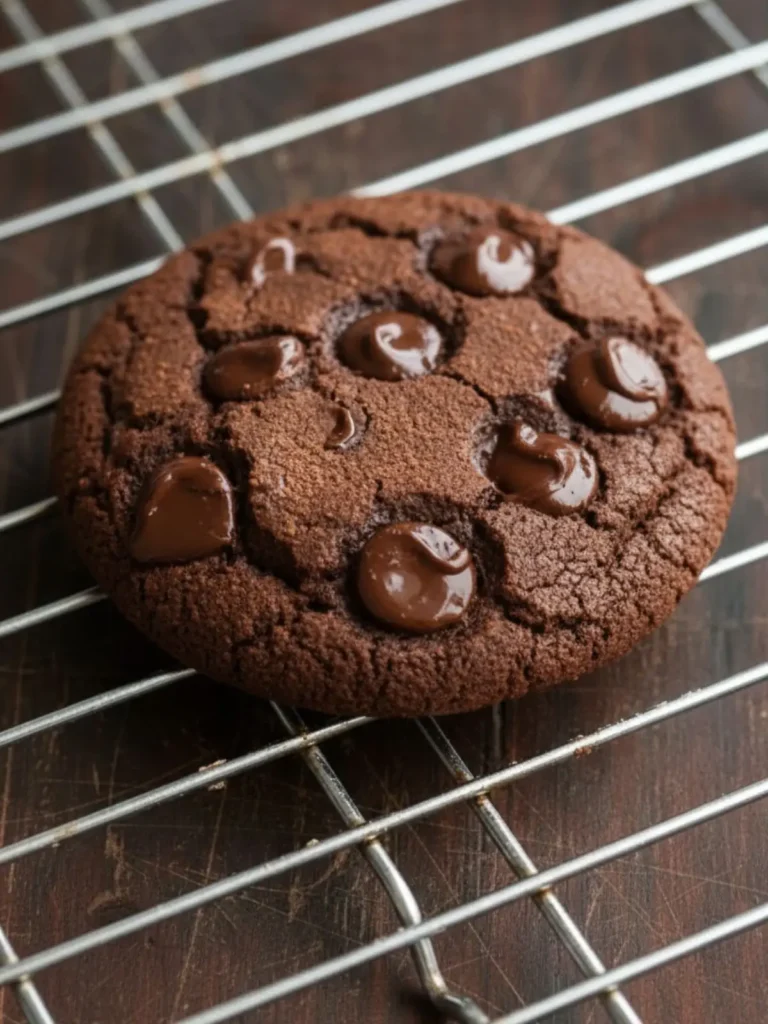
Double Chocolate Chip Cookies
Rich cocoa cookies loaded with chocolate chips for the ultimate chocolate lover’s treat.
Cheesecake Cookies Recipe
Soft cookies with a creamy cheesecake-inspired flavor and a tender melt-in-your-mouth texture.
Final Baking Notes
Baking a batch of homemade oatmeal raisin cookies is one of those simple kitchen pleasures that never gets old. With warm cinnamon spice, toasted oats, and sweet raisins, these cookies deliver the perfect balance of flavor and texture in every bite.
Whether you’re baking for family, sharing cookies with friends, or simply filling your home with the comforting smell of freshly baked treats, this recipe is one you’ll return to again and again. Once you taste the soft centers, crisp edges, and nutty oat flavor, you’ll understand why oatmeal raisin cookies have remained a timeless favorite for generations.
So preheat your oven, gather your ingredients, and enjoy the process of baking a classic cookie that truly never goes out of style.
Soft & Chewy Oatmeal Raisin Cookies Recipe
Ingredients
Equipment
Method
- Preheat oven to 350°F (175°C) and line three baking sheets with parchment paper.
- Place the oats in a dry skillet over medium heat and toast for about 5 minutes, stirring frequently, until lightly golden and fragrant.
- Spread the toasted oats onto a baking sheet and allow them to cool completely.
- In a medium bowl, whisk together the flour, salt, baking soda, and cinnamon.
- In a large bowl, beat the softened butter, brown sugar, and granulated sugar with an electric mixer for about 2 minutes until light and fluffy.
- Mix in the vanilla extract, then add the eggs one at a time, beating well after each addition.
- Gradually add the flour mixture to the butter mixture and mix on low speed until just combined.
- Fold in the cooled toasted oats and raisins until evenly distributed throughout the dough.
- Scoop the dough using a 2-tablespoon cookie scoop and place portions onto prepared baking sheets about 2 inches apart.
- Bake two sheets at a time for 13–15 minutes, rotating the pans halfway through baking, until the edges are golden and the centers appear set.
- Allow cookies to rest on the baking sheets for 2 minutes before transferring them to a wire rack to cool completely.
Notes
- Toasting the oats enhances their nutty flavor and prevents a raw oat taste in the finished cookies.
- Always use softened butter, not melted butter, to achieve proper creaming and cookie structure.
- Measure flour using the spoon-and-level method to avoid dense cookies.
- Slightly underbake the cookies if you prefer extra soft and chewy centers.
- Allow the oats to cool before mixing them into the dough to prevent melting the butter.
- Using a cookie scoop ensures evenly sized cookies that bake uniformly.
- Rotate baking sheets halfway through baking to compensate for oven hot spots.
- Store cookies in an airtight container to maintain softness and prevent drying.
- Separate stacked cookies with parchment paper to prevent sticking.
- Cookie dough can be frozen in scooped portions and baked directly from frozen with slightly extended baking time.
- Avoid overmixing the dough once flour is added, which can create tough cookies.