


Introduction
Creamy olive oil, a deeply golden crust, and an airy interior with dramatic bubbles are exactly what make a truly memorable focaccia bread recipe worth repeating. This version is built for home bakers who want bakery-style results without kneading, a stand mixer, or complicated shaping. The real magic happens in the refrigerator, where a long, cold rest transforms a simple dough into something flavorful, light, and beautifully structured. If you have ever wanted an easy focaccia bread recipe that feels approachable on a weeknight but special enough for a dinner party, this is the one to keep.
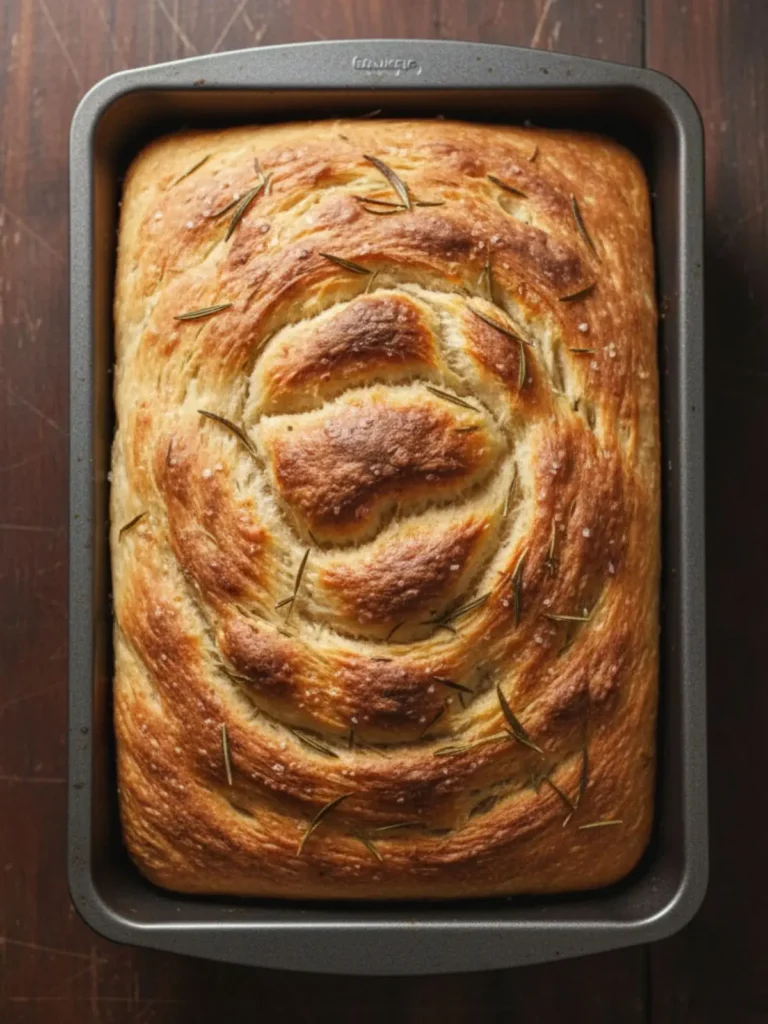
There is something incredibly satisfying about making homemade focaccia bread because the process feels almost effortless while the final loaf looks and tastes impressive. You stir together a wet dough, let time do most of the work, then press your fingertips into the surface right before baking to create those signature dimples that hold little pools of olive oil and flaky salt. As it bakes, the kitchen starts to smell warm, toasty, and savory in the best possible way, and the top turns glossy and golden with crisp ridges.
What I love most about this focaccia bread recipe is how easily it fits into real life. You can mix the dough in minutes, let the refrigerator handle the hard work, and bake a loaf that feels thoughtful, rustic, and undeniably homemade. Whether you serve this easy focaccia bread recipe with pasta, soup, salads, or a simple spread of butter, it brings that warm bakery-style touch to the table without adding stress to your day.
Why This Recipe Works
- The dough is high in hydration, which helps create the airy, open crumb people expect from a great focaccia bread recipe.
- The overnight rest in the refrigerator builds flavor gradually, making this overnight focaccia taste richer and more developed.
- There is no kneading required, so this is an ideal easy focaccia bread recipe for beginners.
- A generous coating of olive oil helps the crust bake up crisp, deeply golden, and flavorful.
- The dough is baked in a standard rectangular pan, which keeps the method simple and consistent.
- The long rise gives the dough time to relax, so stretching and dimpling feel easy rather than frustrating.
- This bread works beautifully as a side, appetizer, sandwich base, or snack straight from the cutting board.
What Makes This Recipe Special
What sets this focaccia bread recipe apart is the balance between simplicity and professional-style results. Many breads ask for kneading, shaping, and repeated timing checks, but this dough asks only for a quick mix, an overnight chill, and a patient second rise in the pan. The refrigerator rest also means the schedule is flexible, which is a huge advantage for busy home bakers who want fresh bread without hovering in the kitchen all day. I also love that the ingredient list stays straightforward, because flour, yeast, water, salt, and olive oil are enough to create real depth when the technique is right.
Taste & Texture Results
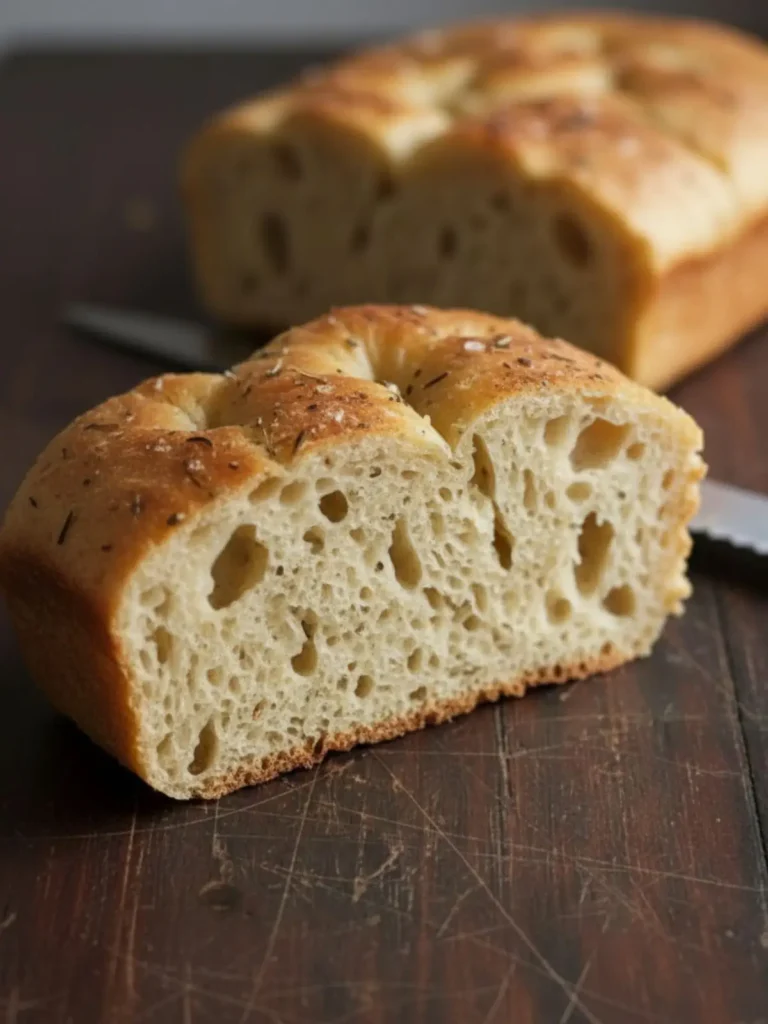
- The inside is soft, moist, and pillowy with an airy crumb.
- The bottom bakes up lightly crisp and flavorful from the olive oil.
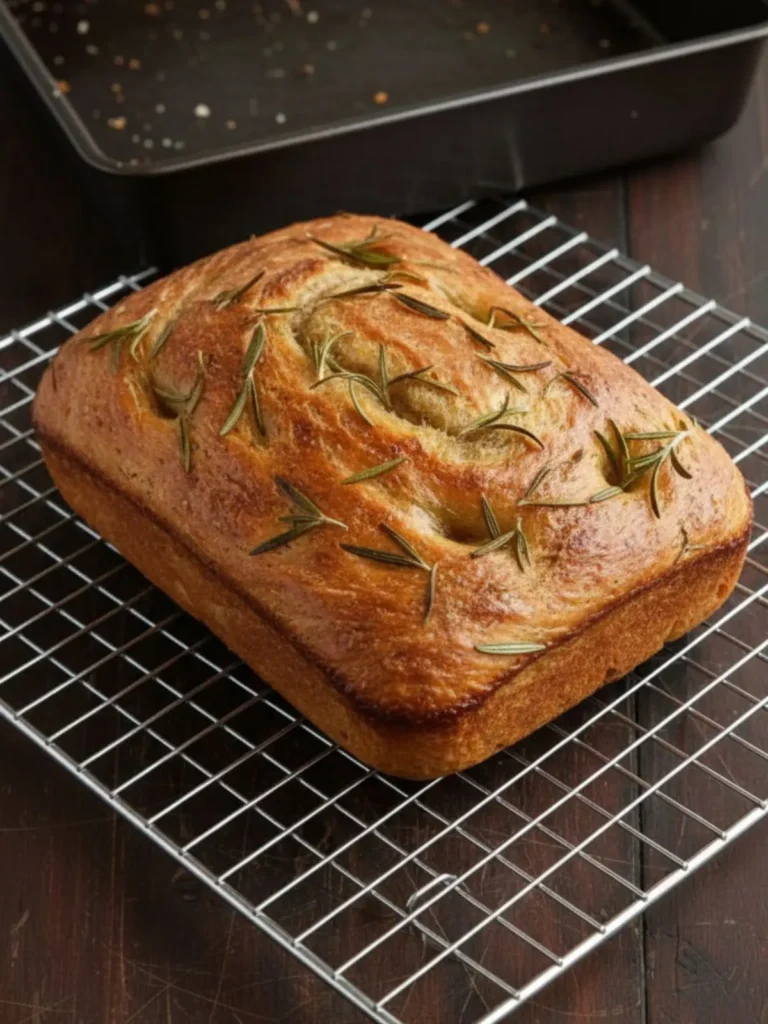
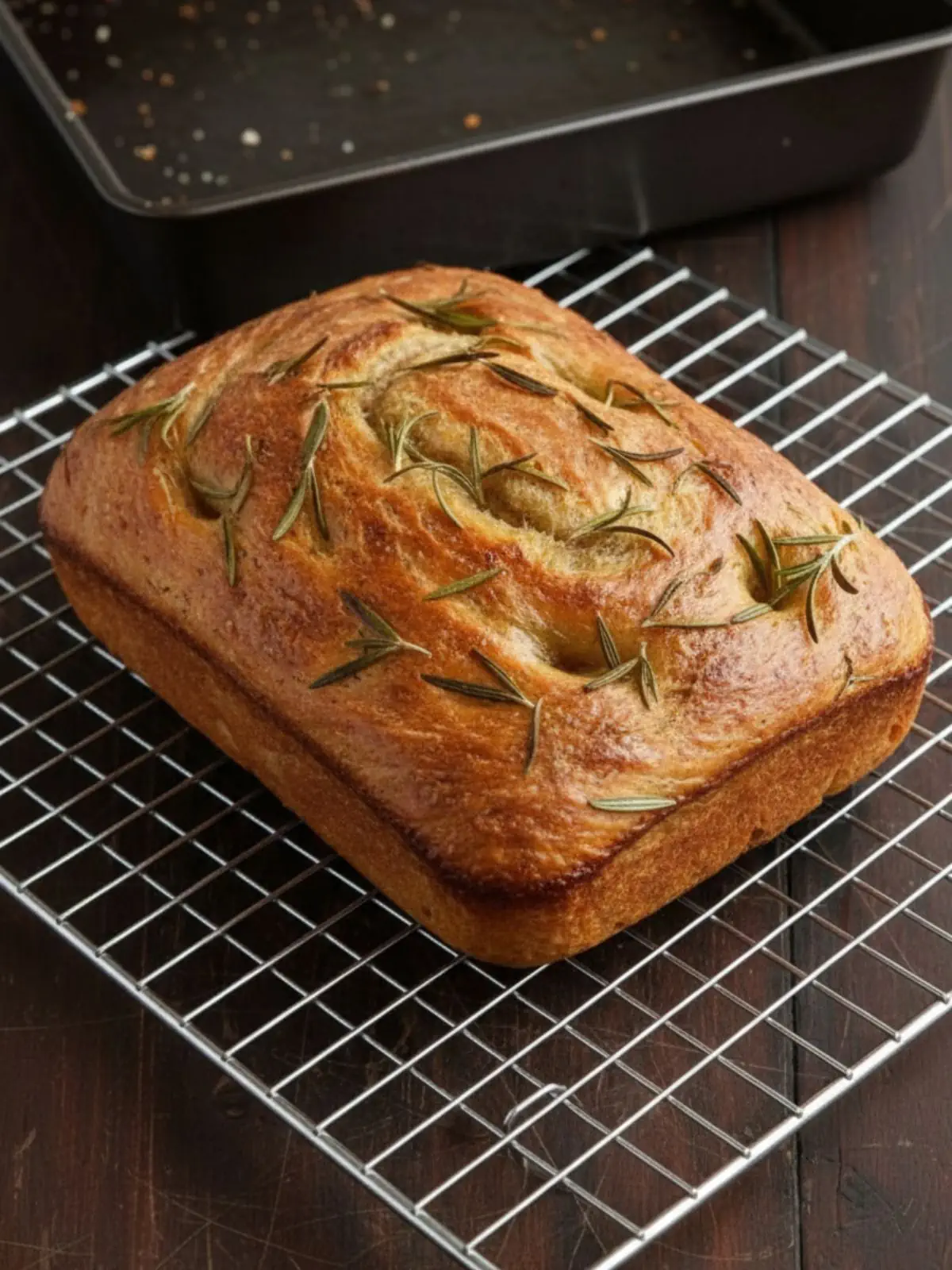
- The top develops bronzed edges and defined dimples that hold flaky salt beautifully.
- The flavor is savory, wheaty, and slightly sweet from natural fermentation rather than added sugar.
- Each bite has a balance of tenderness and chew that makes this homemade focaccia bread feel bakery quality.
- Rosemary adds fragrance without overpowering the bread, though the base dough is delicious on its own.
Ingredients
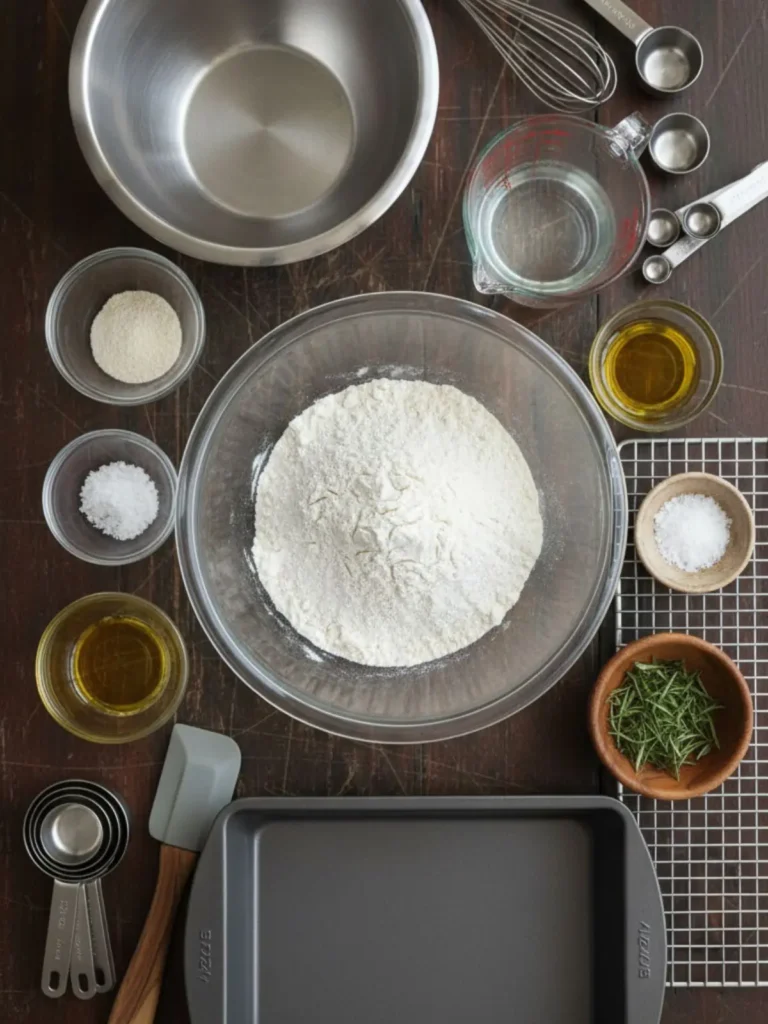
- 4 cups bread flour or all-purpose flour
- 2 teaspoons instant yeast
- 2 1/2 teaspoons kosher salt
- 2 cups lukewarm water
- 1 tablespoon olive oil for coating the bowl
- 3 tablespoons olive oil for the pan and topping
- 1 teaspoon flaky sea salt for finishing
- 1 tablespoon fresh rosemary leaves, optional
If you need to convert ingredient measurements, adjust baking temperatures, or switch between US and metric units, use our complete baking measurement conversion calculator.
Optional Add-Ins & Substitutions
- Add thinly sliced garlic on top for a more aromatic rosemary focaccia bread recipe.
- Scatter halved cherry tomatoes over the dough for a juicy, lightly sweet finish.
- Mix chopped olives into the dough if you want a briny Mediterranean flavor.
- Use bread flour for a slightly chewier texture and stronger structure.
- Use all-purpose flour for a softer bite and a more delicate crumb.
- Swap rosemary for thyme, sage, or oregano depending on the meal you are serving.
- Sprinkle grated Parmesan over the surface in the last few minutes of baking for a savory crust.
- Add cracked black pepper or red pepper flakes if you like a little warmth.
Baking Science Behind This Recipe
A strong focaccia bread recipe depends on moisture, fermentation, and proper handling more than hard labor. This dough contains a relatively high amount of water compared with the flour, and that extra hydration encourages the open, irregular holes that make focaccia so appealing. During the overnight rest, yeast slowly ferments the dough and produces gas, while the flour continues absorbing water and building gluten structure on its own. That means the dough becomes smoother, stretchier, and more flavorful even though you never knead it in the traditional sense.
Olive oil also plays an important role because it protects the dough from drying out, improves browning, and helps create the crisp outer edges that contrast with the soft interior. When you dimple the dough right before baking, you are not only creating the classic look, but also preventing giant uneven bubbles while giving the oil and toppings a place to settle.
Step-by-Step Instructions
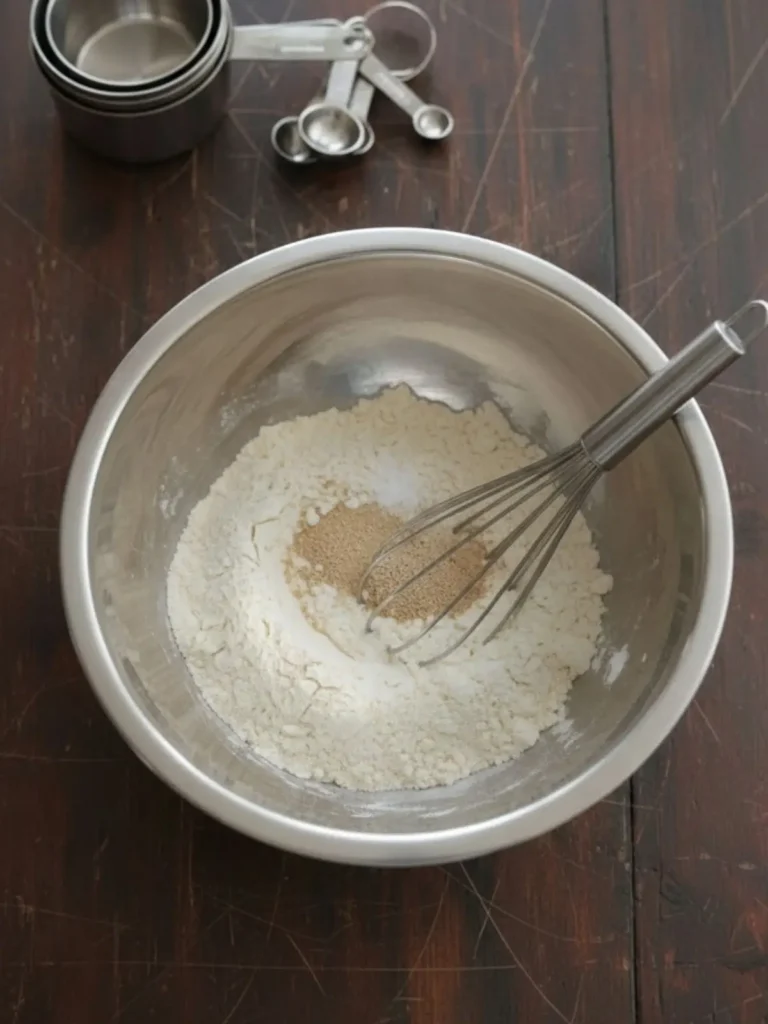
In a large mixing bowl, whisk together the flour, instant yeast, and kosher salt until evenly combined. This distributes the yeast and salt well so the dough rises evenly and tastes balanced throughout. The dry mixture should look uniform with no visible clumps of yeast or pockets of salt.
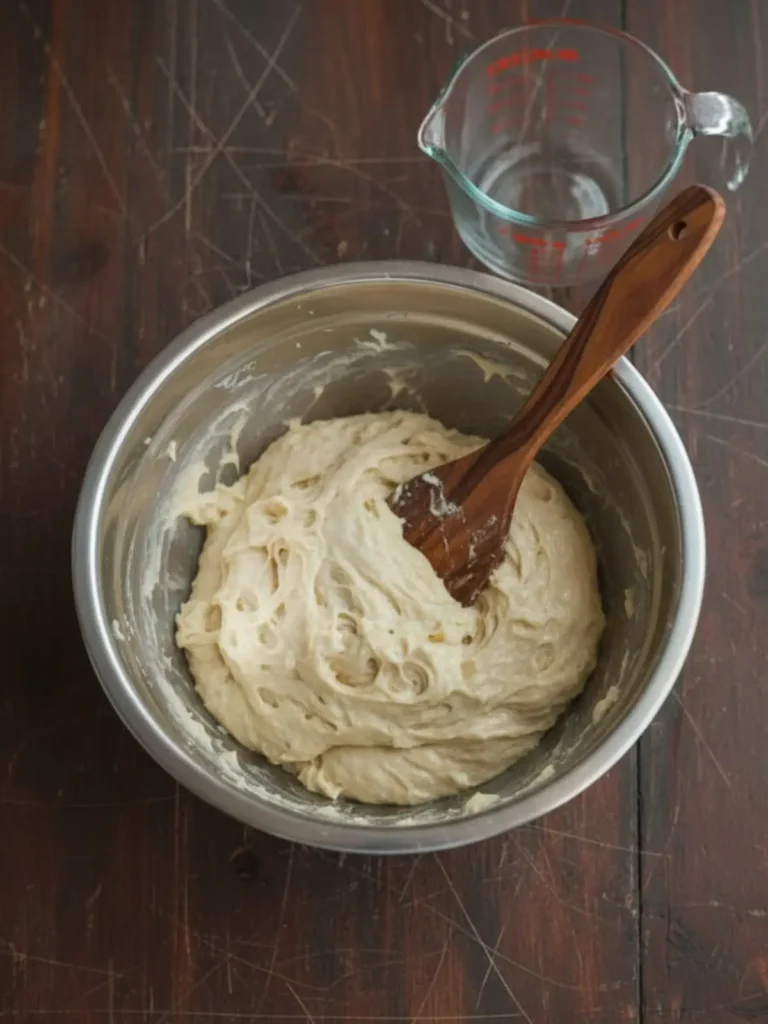
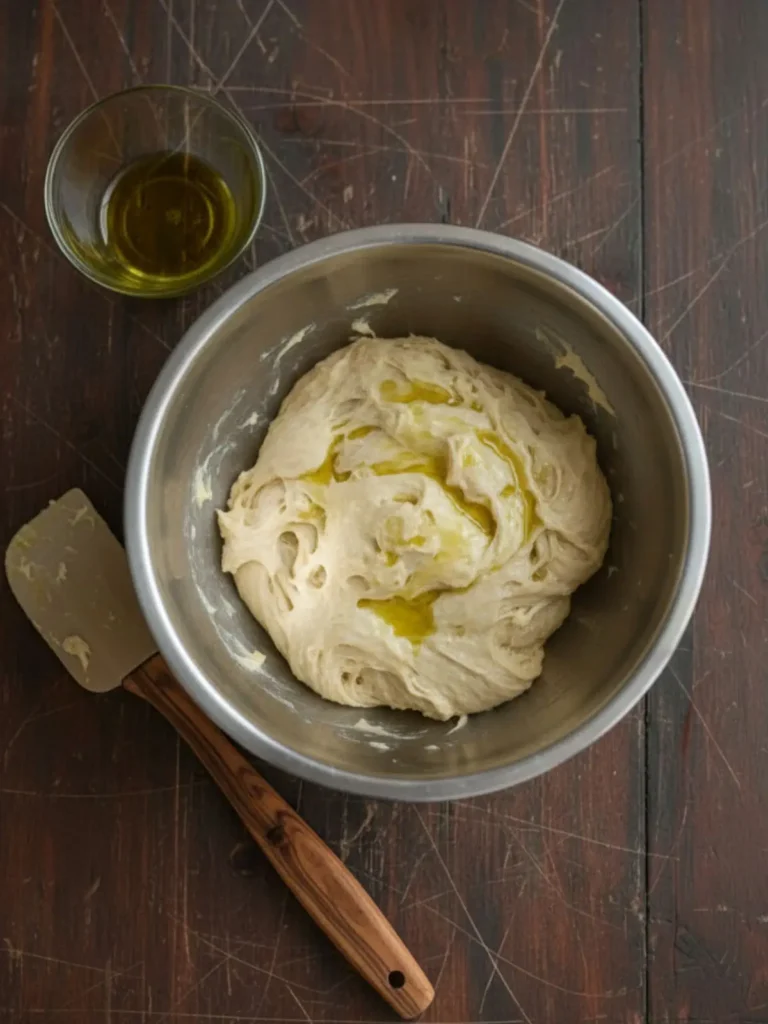
Pour in the lukewarm water and stir with a sturdy spatula or wooden spoon until no dry flour remains. This simple mixing step is enough because a wet no knead focaccia bread recipe develops structure during resting rather than through vigorous kneading. The dough will look shaggy, sticky, and much wetter than classic sandwich bread dough, which is exactly what you want.
Drizzle 1 tablespoon olive oil over the surface of the dough and turn it lightly so the top is coated. This helps prevent drying while the dough chills and makes it easier to handle later. The dough should look glossy and lightly slicked rather than dry or crusty.
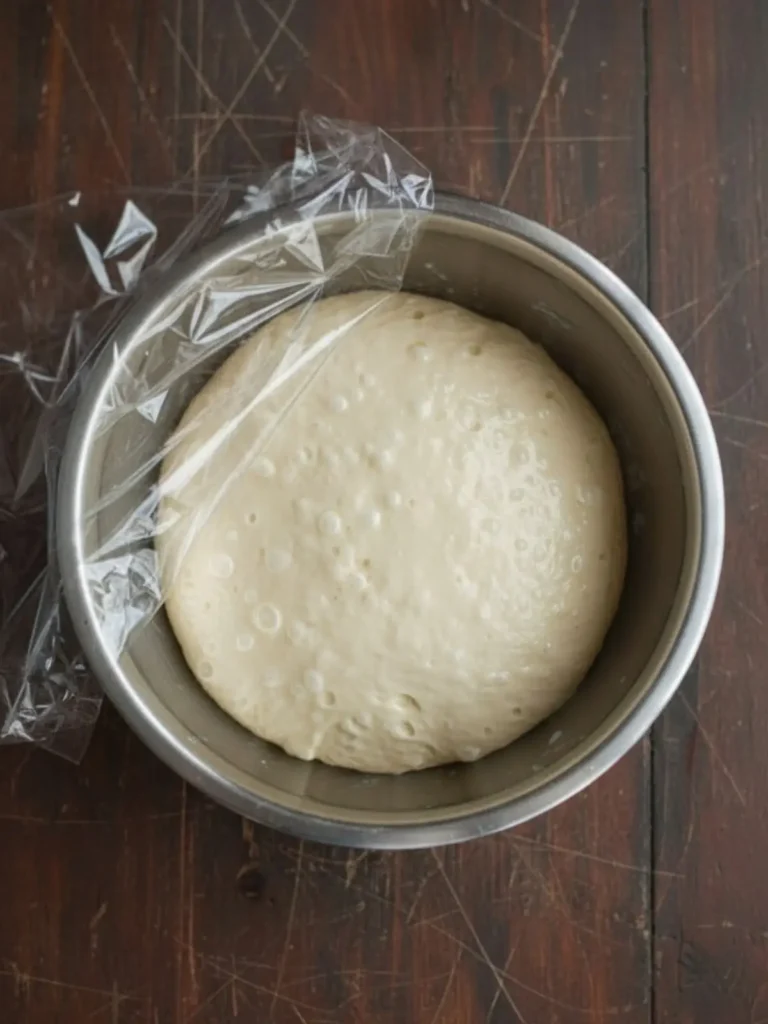
Cover the bowl tightly and place it in the refrigerator for at least 12 hours and up to 24 hours, though 18 hours is especially ideal for flavor and texture. This slow fermentation gives the dough time to become bubbly, airy, and more complex in flavor. By morning or the next day, the dough should look puffed, domed, and dotted with bubbles.
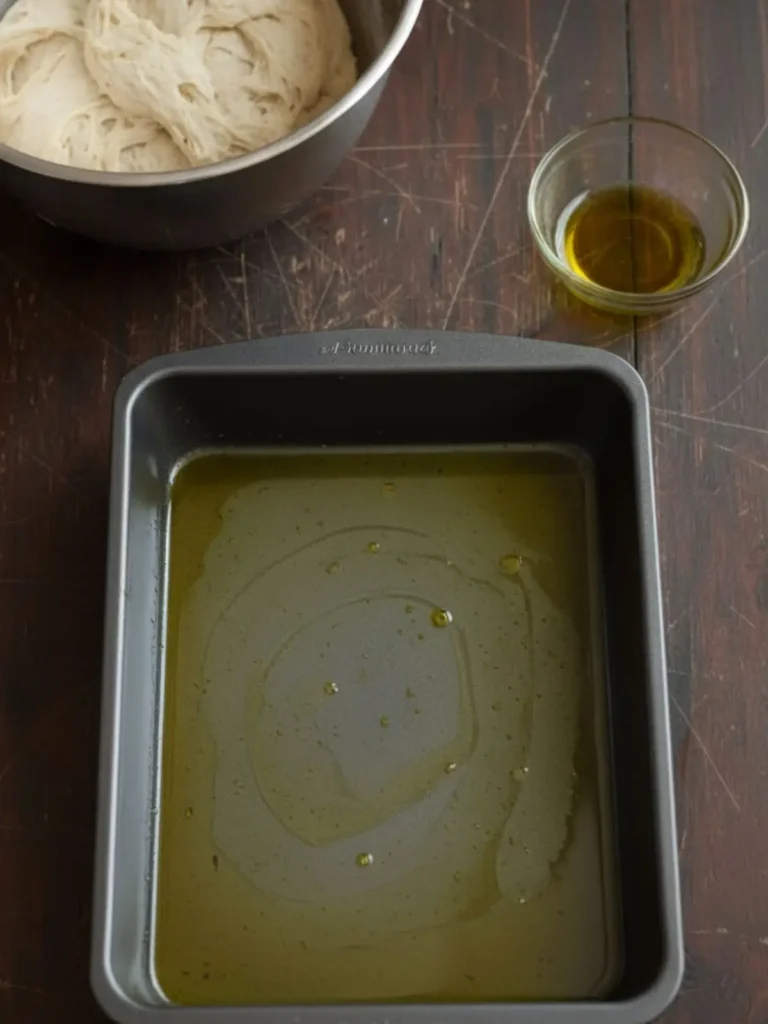
Generously oil a 9 x 13-inch metal baking pan with 2 tablespoons olive oil. This coating helps the crust brown and crisp while also keeping the bread from sticking. The bottom of the pan should have a thin visible film of oil across the entire surface.
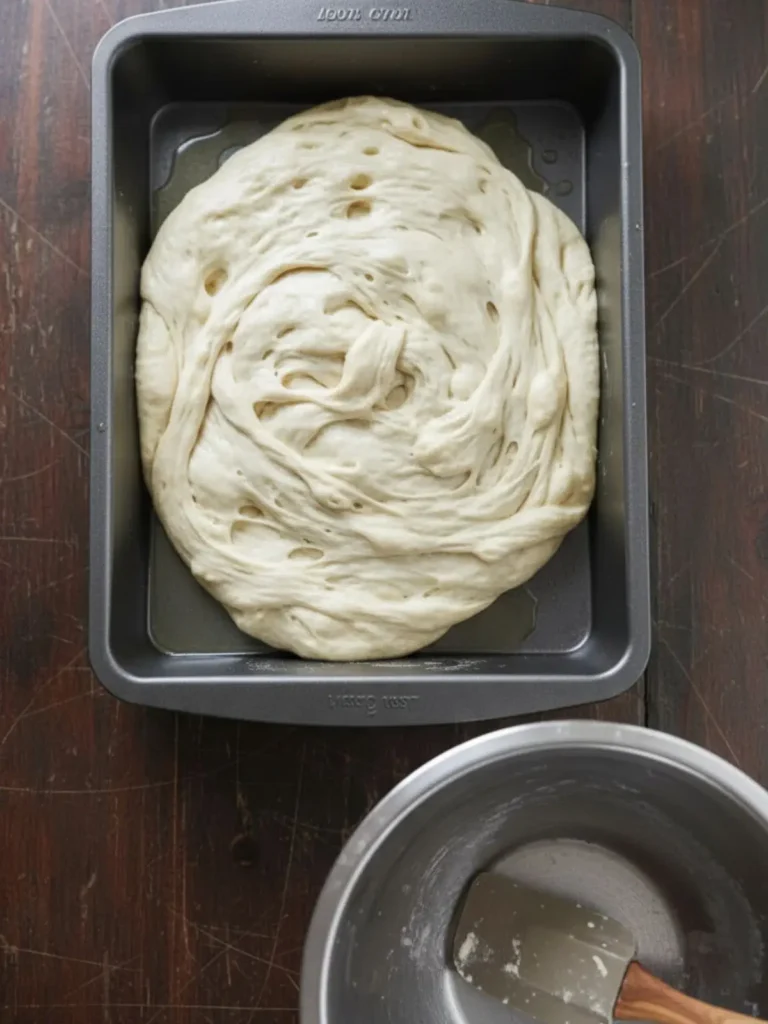
Remove the dough from the refrigerator and use oiled hands or two forks to gently release it from the sides of the bowl. Transfer it to the prepared pan without punching out all the air, because those trapped gases are part of what creates the beautiful crumb. The dough may look loose and uneven at first, and that is completely normal.
Gently turn the dough once in the pan so it gets lightly coated with oil on both sides, then nudge it into a rough rectangle. This keeps the surface supple while the dough relaxes into the pan during the second rise. At this stage, the dough will not fully fill the corners, so do not force it.
Let the dough rise at room temperature for 2 to 4 hours, depending on the warmth of your kitchen. This second proof lets the dough warm up, expand, and become visibly puffy before baking. When it is ready, it should look soft, jiggly, and close to filling the pan with bubbles visible under the surface.
Preheat your oven to 425 degrees Fahrenheit while the dough finishes proofing. A fully heated oven helps the dough spring quickly and brown properly from the start. If the oven is not hot enough, the bread can bake up pale or dense.
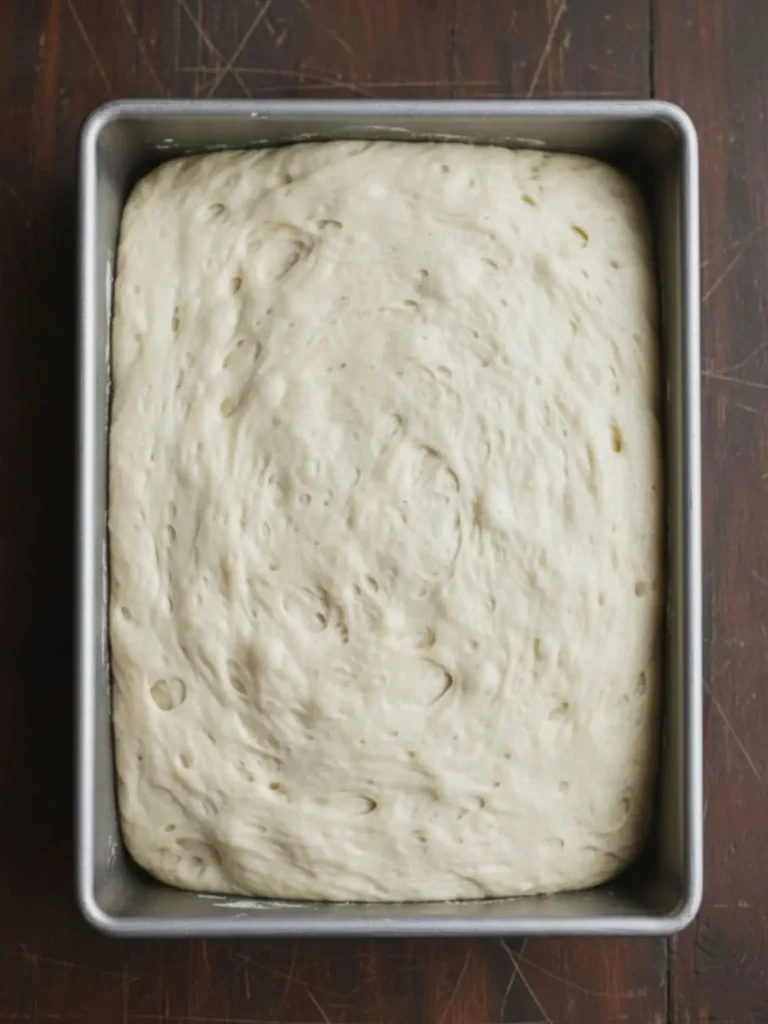
Drizzle the remaining 1 tablespoon olive oil over the top of the dough and sprinkle on the rosemary if using. Coat your fingertips lightly with oil, then press straight down all over the dough to create deep dimples. The dough should feel airy and elastic, and the dimples should stay visible instead of springing fully back.
Sprinkle flaky sea salt evenly across the surface and transfer the pan to the oven immediately. The salt boosts flavor and highlights the olive oil-rich crust without making the bread taste harsh. Right before baking, the dough should look puffy, dimpled, and glossy.
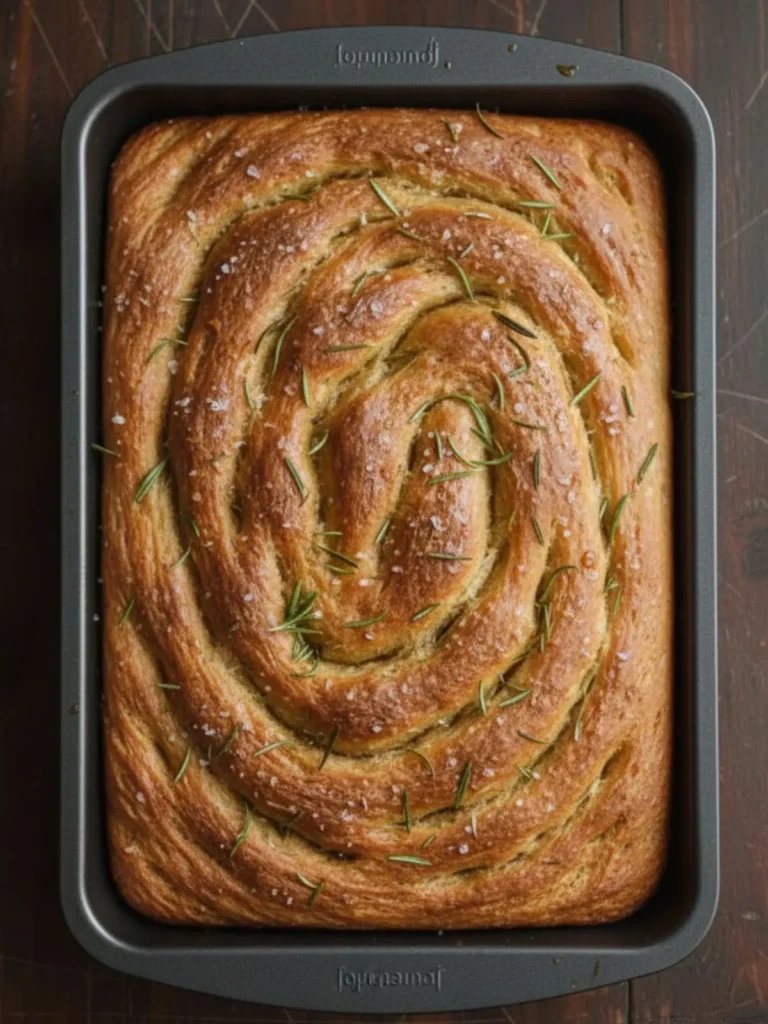
Bake for 25 to 30 minutes, rotating the pan once if your oven browns unevenly. This ensures the crust becomes evenly golden and the underside bakes to a light crispness. The bread is done when the top is deep golden brown, the edges pull slightly from the pan, and the bottom sounds firm when tapped.
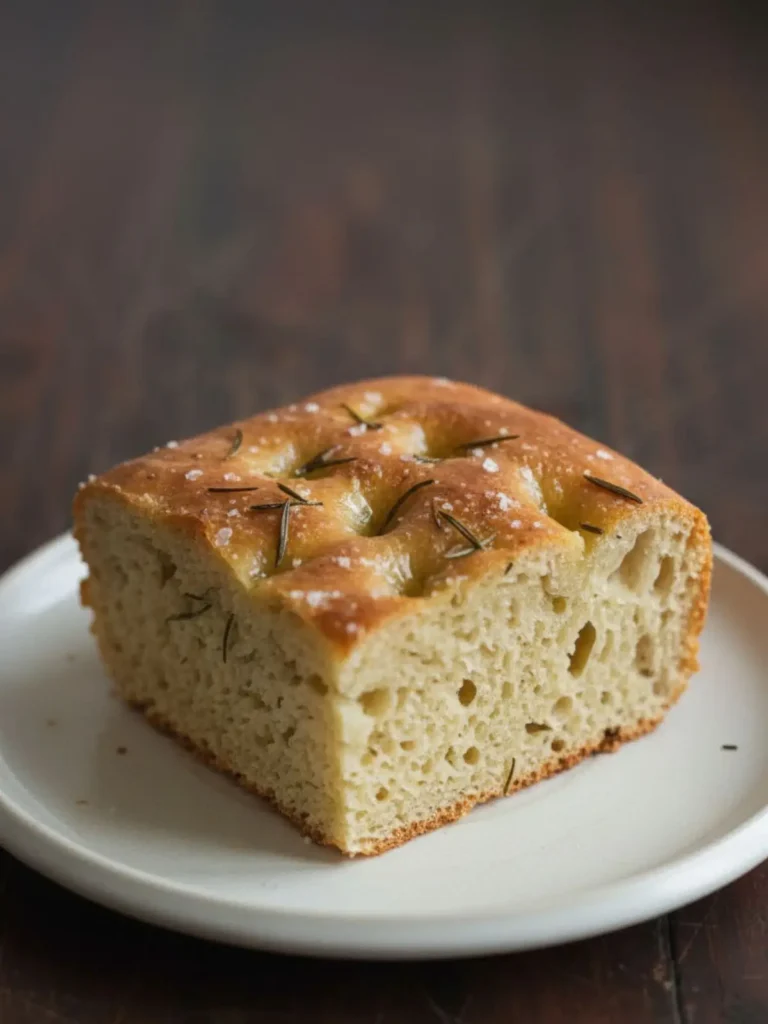
Remove the focaccia from the pan and cool it on a wire rack for at least 10 minutes before slicing. Cooling on a rack prevents trapped steam from softening the crust too much. When cut, the crumb should show irregular air pockets and a moist, tender interior.
Baking Tools & Equipment
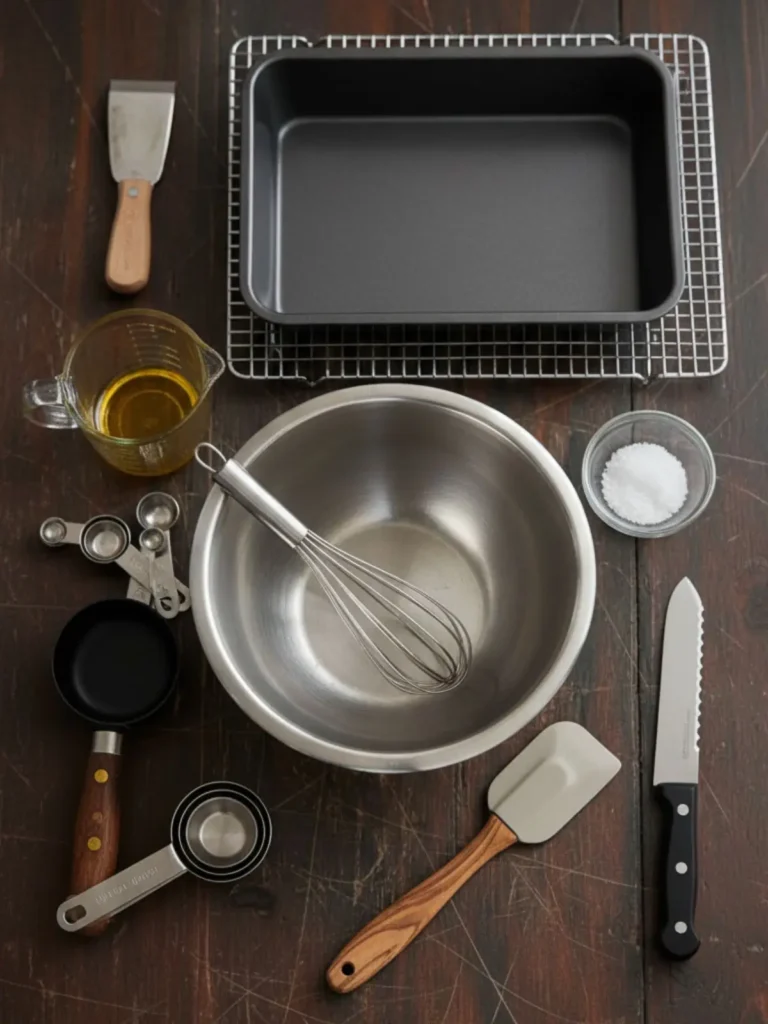
- Large mixing bowl
- Whisk
- Rubber spatula or wooden spoon
- Measuring cups and spoons
- 9 x 13-inch metal baking pan
- Wire cooling rack
- Bench scraper or sharp knife for slicing
- Pastry brush, optional for spreading oil evenly
“Each baking tool listed above was carefully selected for consistent results. Click any product name to explore trusted kitchen essentials.”
How To Know When Baking Is Done
The best visual cue for this focaccia bread recipe is color, because pale focaccia is usually underbaked and lacks the crisp contrast that makes it so satisfying. Look for a rich golden-brown top with slightly darker edges, especially around the corners of the pan where the oil gathers and caramelizes. The bread should feel set and springy when lightly pressed in the center, not wet or squishy.
If you carefully lift one edge with a spatula, the underside should be golden rather than blonde. You should also hear a gentle hollow sound when tapping the bottom after removing it from the pan. A properly baked loaf will smell deeply toasty, olive-oil rich, and savory before it ever hits the cutting board.
Common Mistakes To Avoid
- Using cold water straight from the refrigerator, which can slow the yeast too much at the mixing stage.
- Skipping enough olive oil in the bowl or pan, which can lead to sticking and a dry surface.
- Forcing the dough to fill the pan too early instead of letting it relax naturally during the second rise.
- Underproofing the dough before baking, which leads to a tighter, denser crumb.
- Overloading the surface with wet toppings that weigh down the dough.
- Baking in a glass dish without enough grease, which can make sticking more likely.
- Slicing the bread immediately out of the oven before the crumb has time to set.
Storage & Freezing Guide
- Store completely cooled homemade focaccia bread in an airtight container or zip-top bag at room temperature for up to 2 days.
- For the best texture, reheat slices in a 350 degrees Fahrenheit oven for 8 to 10 minutes before serving.
- Refrigeration is not ideal because it can dry the bread more quickly than room-temperature storage.
- Freeze the fully cooled loaf or individual slices wrapped tightly for up to 3 months.
- Reheat frozen slices straight from the freezer in a hot oven until warmed through and lightly crisp again.
- If using focaccia for sandwiches, cool the loaf completely before slicing horizontally so the crumb stays neat.
Flavor Variations
- Turn this into a garlic focaccia bread recipe by adding thin slices of garlic and a pinch of black pepper.
- Make a tomato version with cherry tomatoes, rosemary, and flaky salt.
- Scatter sliced red onions and olives over the top for a more savory, robust finish.
- Add shredded mozzarella during the final 5 minutes of baking for a cheesy edge.
- Use everything bagel seasoning for a playful brunch version with cream cheese on the side.
- Brush the baked bread with basil oil for a fresh, herb-forward variation.
- Try a sweet-savory twist with grapes, rosemary, and a tiny drizzle of honey after baking.
Frequently Asked Questions
1. Can I make this focaccia without the overnight refrigerator rise?
Yes, you can make a same-day version of this easy focaccia bread recipe, although the flavor and structure will be a little less developed. Let the mixed dough rise at room temperature until doubled, which usually takes about 1 1/2 to 2 hours depending on your kitchen. Then transfer it to the pan and let it complete the second rise until puffy, usually another 30 to 45 minutes. The finished bread will still taste very good, but the overnight version tends to be airier and more flavorful. If you have the time, the refrigerator method is absolutely worth it.
2. What is the best flour for a focaccia bread recipe?
Both bread flour and all-purpose flour work well in this focaccia bread recipe, so the best choice depends on the texture you prefer. Bread flour has a bit more protein, which creates a chewier bite and slightly stronger structure. All-purpose flour gives a softer, more tender crumb that many home bakers love. If your kitchen is humid or you want taller bubbles and more chew, bread flour is a great option. If you want a lighter feel and already have all-purpose flour on hand, it will still bake beautifully.
3. Why is my focaccia dense instead of airy?
Dense focaccia usually comes down to one of three things: not enough hydration, not enough proofing time, or rough handling that knocks out too much gas. Because this is a high-hydration dough, it should feel sticky and loose rather than firm. If the dough goes into the oven before it looks puffy and bubbly, the crumb will be tighter. Overworking the dough when transferring it to the pan can also reduce those lovely air pockets. Give the dough time, trust the wet texture, and handle it gently for the best results.
4. Can I freeze focaccia after baking?
Absolutely, and this best focaccia bread recipe freezes very well. Let the loaf cool completely first so steam does not get trapped inside the wrapping. Then wrap it tightly or store slices in a freezer-safe bag with as much air removed as possible. Reheat directly from frozen in the oven until hot and crisp again. This makes focaccia especially useful for meal prep, quick sandwich lunches, or last-minute dinner sides.
5. Why do you dimple focaccia dough before baking?
Dimpling is not just decorative, though it does give homemade focaccia bread its classic appearance. Pressing your fingertips into the dough redistributes large gas pockets so the loaf bakes more evenly. It also creates little wells that catch olive oil, salt, and herbs, which boosts both flavor and texture. Without dimpling, the dough can balloon unevenly in the oven. That means fewer crisp ridges and less of the signature focaccia look.
Expert Baker Tips
- Use a metal pan for the best bottom crust and most even browning.
- Oil your hands before handling the dough instead of adding more flour.
- Let the dough get visibly puffy in the pan before dimpling or baking.
- Do not be afraid of the sticky texture, because wetter dough is a major reason this focaccia bread recipe turns out airy.
- Sprinkle flaky salt at the end of proofing, not too early, so it stays defined on the surface.
- Cool on a wire rack to preserve the crisp crust.
- Slice with a serrated knife for cleaner cuts and less compression of the crumb.
- For sandwich use, bake the loaf until deeply golden so it holds fillings well after slicing.
Related Recipes From Our Kitchen
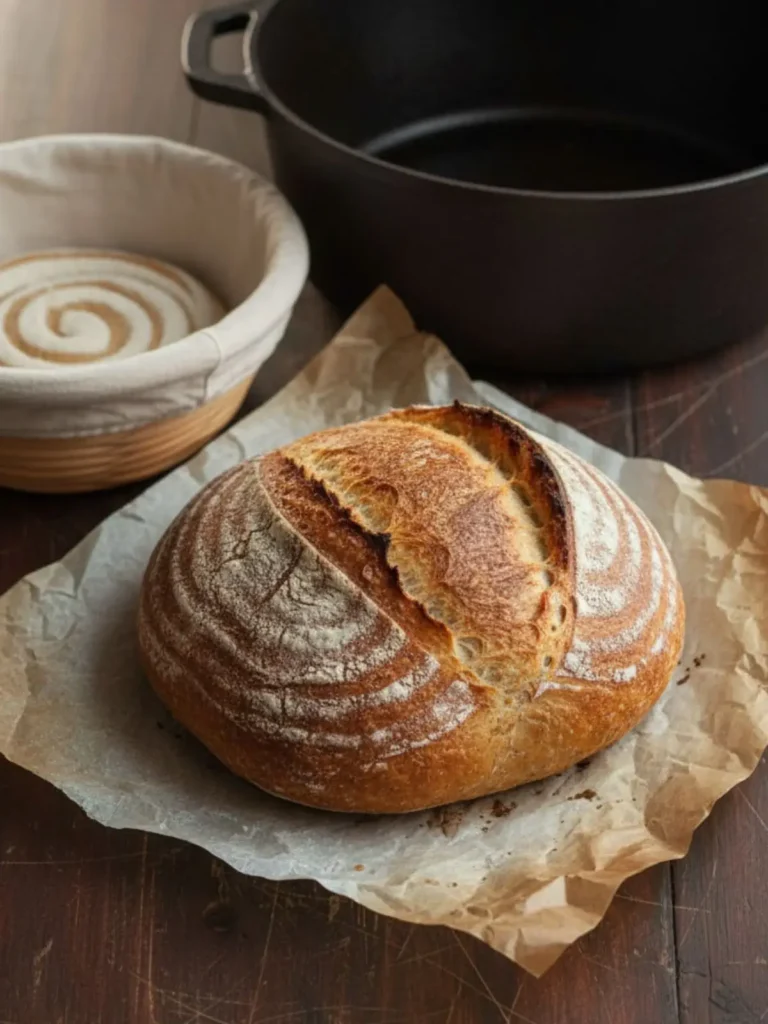
- No Knead Artisan Bread — A rustic, crusty loaf with a chewy interior that uses the same low-effort, high-reward bread-making mindset.
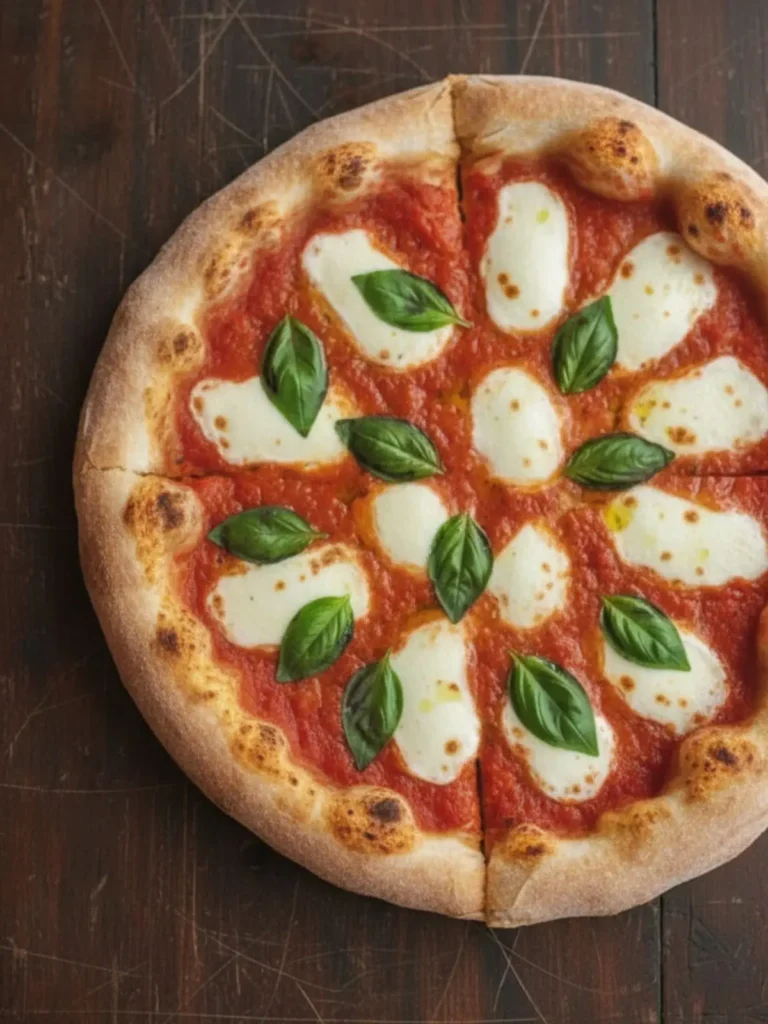
- Homemade Pizza Dough Recipe — Perfect for bakers who love working with fermented dough and want a flexible, flavorful base for pizza night.
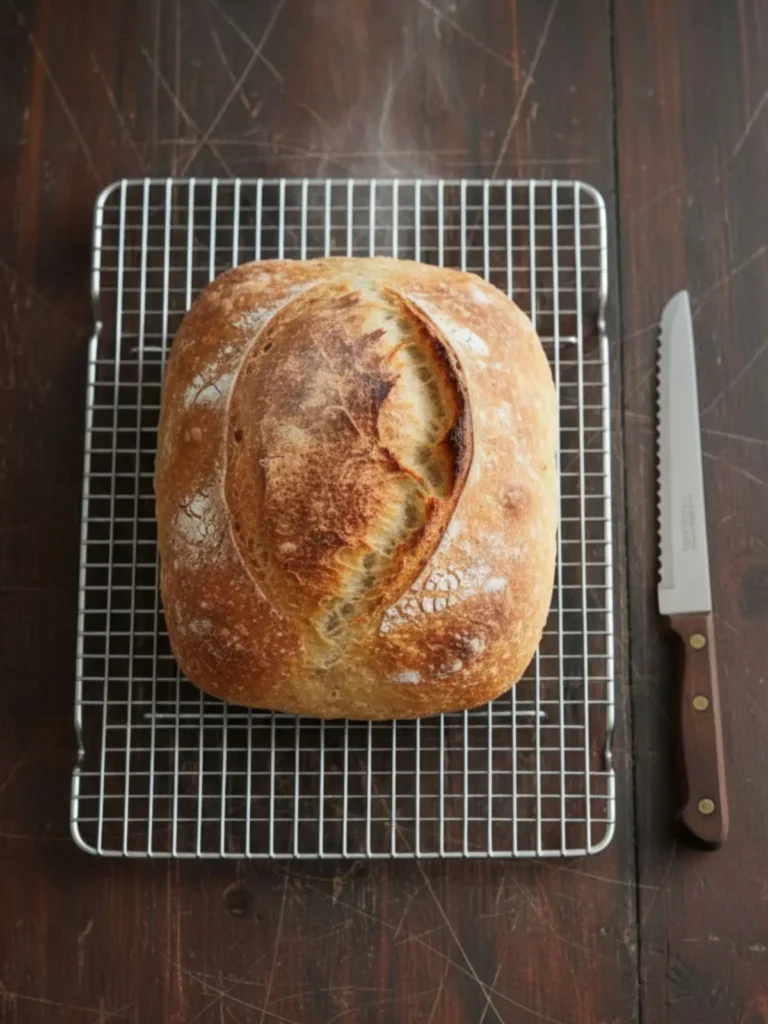
- Sourdough Bread Recipe — A deeper dive into natural fermentation with a beautifully tangy loaf and a crackly artisan crust.
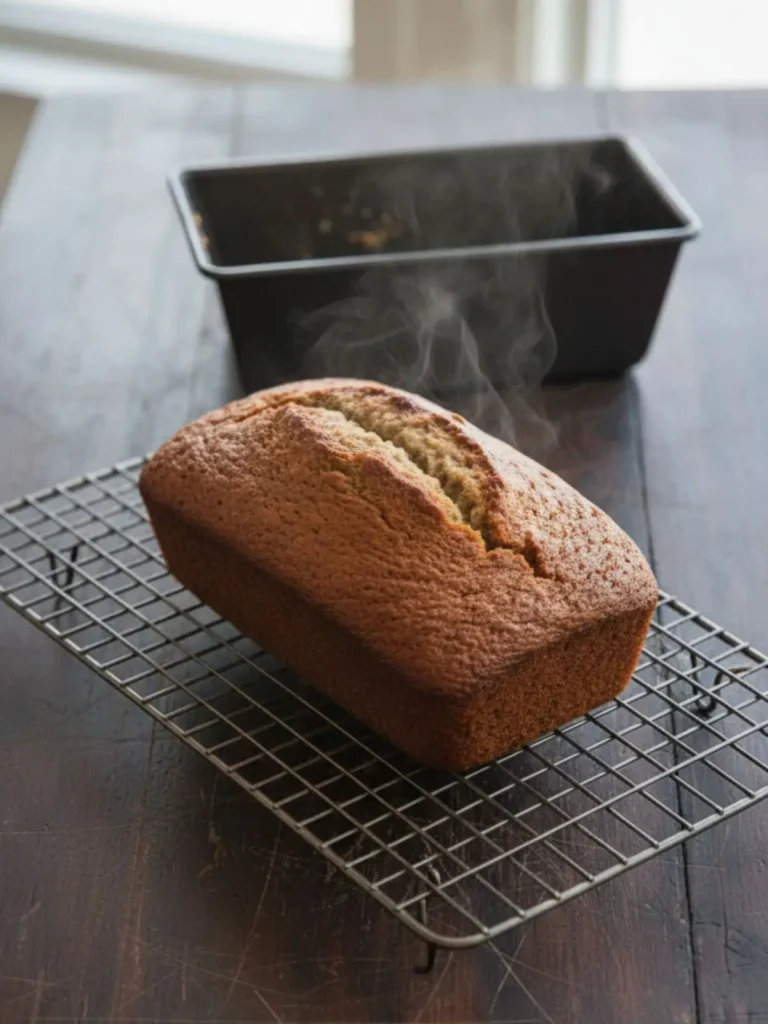
- Banana Bread Recipe — A soft, moist quick bread that is ideal when you want something cozy, sweet, and reliable from the oven.
Final Baking Notes
A truly dependable focaccia bread recipe should make you feel capable, not stressed, and that is exactly why this loaf earns a permanent place in a home baker’s rotation. The dough is forgiving, the ingredients are simple, and the overnight rise turns a basic mixture into a bread with real character. It is the kind of loaf that disappears in torn pieces while still warm, then returns the next day as sandwich bread, soup companion, or toasted snack with butter.
The olive oil-rich crust, airy crumb, and fragrant top give it that unmistakable bakery feel, yet the method stays comfortably within reach for beginners. Once you bake this overnight focaccia, you will start finding reasons to make it again, whether that means rosemary for Sunday dinner, tomatoes for summer lunches, or plain sea salt when you want the bread itself to be the star.
Focaccia Bread Recipe
Ingredients
Equipment
Method
- In a large mixing bowl, whisk together the flour, instant yeast, and kosher salt until evenly combined.
- Pour in the lukewarm water and stir with a sturdy spatula or wooden spoon until no dry flour remains and a shaggy, sticky dough forms.
- Drizzle 1 tablespoon olive oil over the surface of the dough and turn it lightly so the top is coated.
- Cover the bowl tightly and refrigerate for at least 12 hours and up to 24 hours, with 18 hours being ideal.
- Generously oil a 9 x 13-inch metal baking pan with 2 tablespoons olive oil.
- Remove the dough from the refrigerator and gently release it from the sides of the bowl with oiled hands or two forks. Transfer it to the prepared pan.
- Turn the dough once in the pan so it is lightly coated with oil on both sides, then nudge it into a rough rectangle.
- Let the dough rise at room temperature for 2 to 4 hours, until it looks soft, puffy, and nearly fills the pan.
- Preheat the oven to 425 degrees Fahrenheit.
- Drizzle the remaining 1 tablespoon olive oil over the dough and sprinkle with rosemary, if using.
- Lightly oil your fingertips and press straight down all over the dough to create deep dimples. Sprinkle evenly with flaky sea salt.
- Bake for 25 to 30 minutes, rotating the pan once if needed, until the top is deeply golden brown and the edges are crisp.
- Remove the focaccia from the pan and cool on a wire rack for at least 10 minutes before slicing and serving.
Notes
- This is a high-hydration dough, so it should look sticky and loose rather than firm.
- Bread flour gives a slightly chewier texture, while all-purpose flour gives a softer crumb.
- The overnight refrigerator rest develops better flavor and a more open, airy structure.
- Do not skip oiling the bowl well, or the dough surface can dry out during the cold rise.
- Use a metal pan for the best crisp, golden bottom crust.
- Let the dough rise fully in the pan before dimpling so the finished bread stays light and airy.
- Do not force the dough into the corners too early; it will relax and spread as it proofs.
- Flaky sea salt should be added just before baking so it stays visible and crisp on top.
- Wet or heavily loaded toppings can weigh down the dough, so use them lightly.
- Cool the bread on a wire rack to prevent steam from softening the crust.
- For the best next-day texture, reheat slices in a 350 degrees Fahrenheit oven for 8 to 10 minutes.
- Refrigeration is not ideal for storage because it can dry the bread out faster than room temperature.
- Freeze only after the focaccia has cooled completely so excess moisture does not get trapped.
- If using the bread for sandwiches, cool completely before slicing so the crumb stays neat.
- A pale top usually means the focaccia needs a little more oven time for proper crust and flavor.
- Calories: 191
- Carbohydrates: 31 grams
- Protein: 5 grams
- Fat: 5 grams
- Saturated Fat: 1 gram
- Sugar: 0 grams
- Fiber: 1 gram
- Sodium: 537 milligrams
- Cholesterol: 0 milligrams