






There is something timeless about a tray of freshly baked easy sugar cookies cooling on the kitchen counter. The warm aroma of butter, vanilla, and sugar drifting through the house instantly creates a sense of comfort that store-bought dough simply cannot replicate. While packaged cookie dough may seem convenient, homemade cookies offer a flavor, texture, and freshness that are impossible to achieve from a refrigerated tube. Once you experience how simple this recipe is, you may never reach for store-bought dough again.
Many bakers assume sugar cookies require complicated steps or specialized techniques, but this easy sugar cookies recipe proves otherwise. With a handful of pantry staples and straightforward mixing methods, you can create soft, tender cookies with lightly crisp edges in under an hour of active work. The dough is forgiving, beginner-friendly, and perfect for shaping into festive cut-out cookies for birthdays, holidays, and family gatherings. Even better, the dough can be prepared ahead of time and stored in the refrigerator or freezer for spontaneous baking whenever the craving strikes.
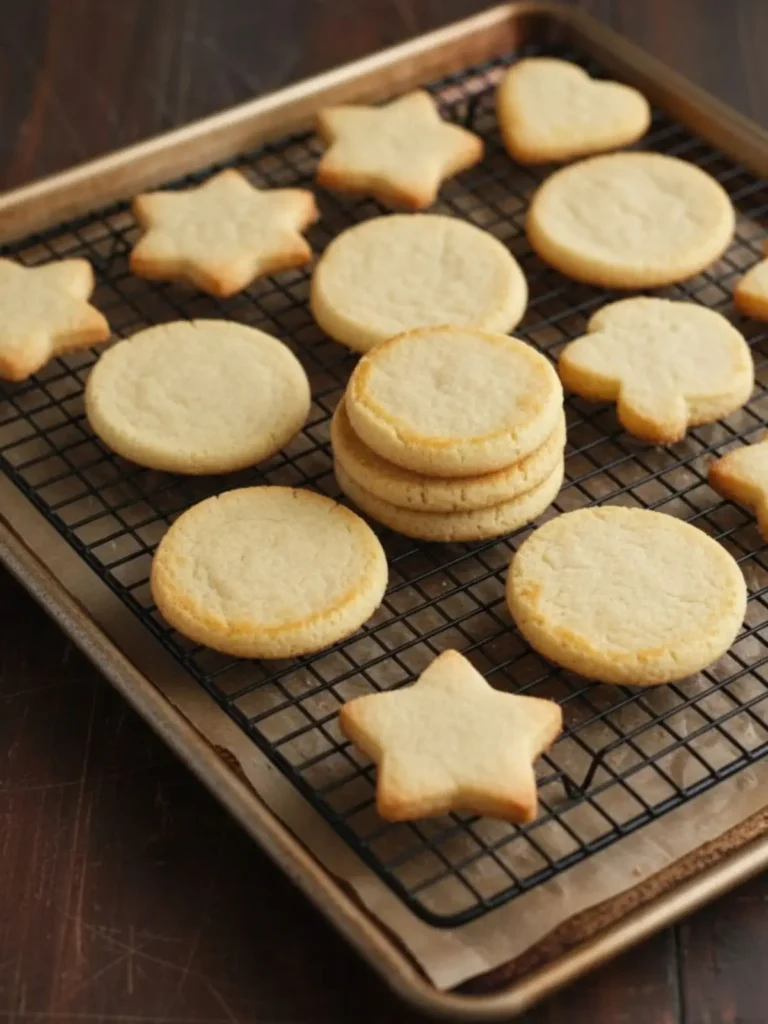
Another reason these easy sugar cookies remain a favorite among home bakers is their incredible versatility. The neutral buttery flavor provides the perfect base for decorating with royal icing, buttercream frosting, colored sugars, or sprinkles. Whether you prefer classic round cookies dusted with sugar or elaborately decorated holiday shapes, this recipe adapts beautifully to any occasion. With the right techniques and a few baking science tips, you can consistently achieve bakery-quality results in your own kitchen.
Why This Recipe Works
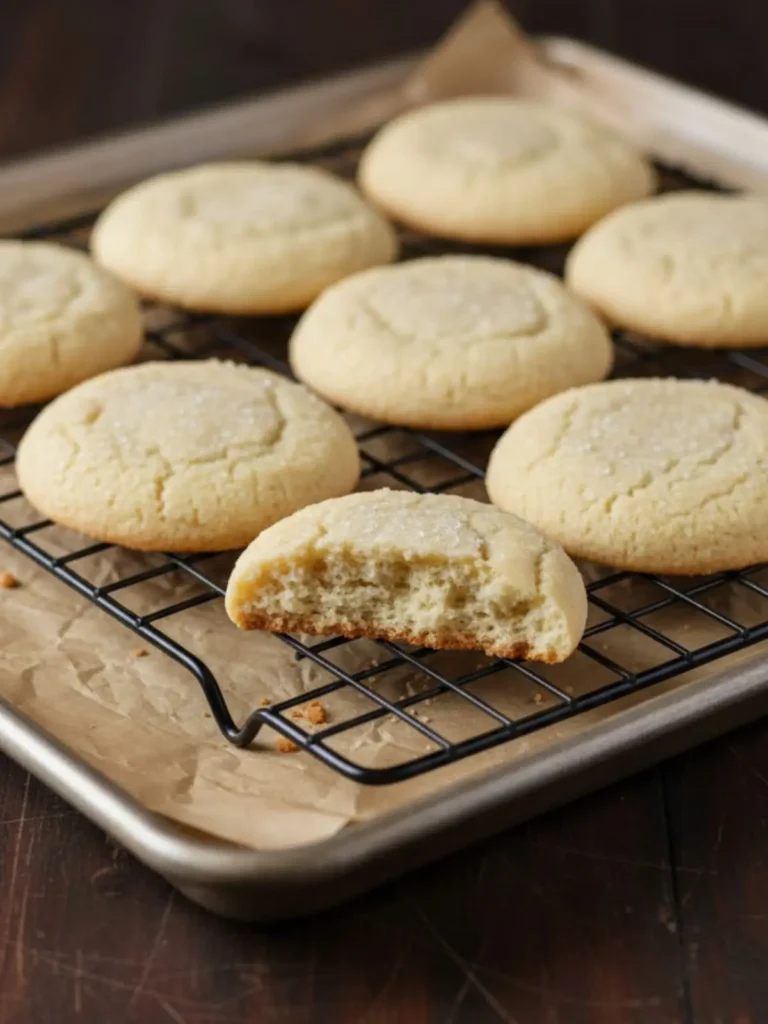
• The balanced butter-to-flour ratio produces soft sugar cookies with delicate crisp edges and tender centers.
• Chilling the dough prevents spreading, which helps maintain clean shapes for decorated cut out sugar cookies.
• A small amount of baking powder creates a light texture without making the cookies puff too much.
• The combination of vanilla and almond extract enhances the classic homemade sugar cookies flavor profile.
• Rolling the dough to a consistent thickness ensures even baking and professional-looking cookies.
What Makes This Recipe Special
Classic easy sugar cookies are beloved for their simplicity, but the secret to truly memorable cookies lies in subtle flavor balance and careful technique. Many traditional recipes rely solely on vanilla extract, but adding a touch of almond extract elevates the flavor in a way that makes the cookies taste richer and more aromatic without overpowering the classic sweetness. This small addition creates the nostalgic bakery-style flavor many people associate with decorated holiday cookies.
Another unique advantage of this recipe is its adaptable dough texture. The dough is firm enough for rolling and cutting shapes, yet soft enough to produce tender cookies that never feel dry or crumbly. Because the butter is creamed properly with sugar, the cookies develop a fine crumb and smooth surface that holds icing beautifully. This makes them ideal for easy decorated sugar cookies, especially during holidays like Christmas, Halloween, and Valentine’s Day.
Perhaps the most convenient feature is how well the dough stores. Busy home bakers can prepare a batch of easy sugar cookie dough in advance, refrigerate it for several days, or freeze it for months. When a celebration or cookie craving appears unexpectedly, simply thaw the dough and bake fresh cookies within minutes. This flexibility makes the recipe practical for both everyday baking and special occasions.
Taste & Texture Results
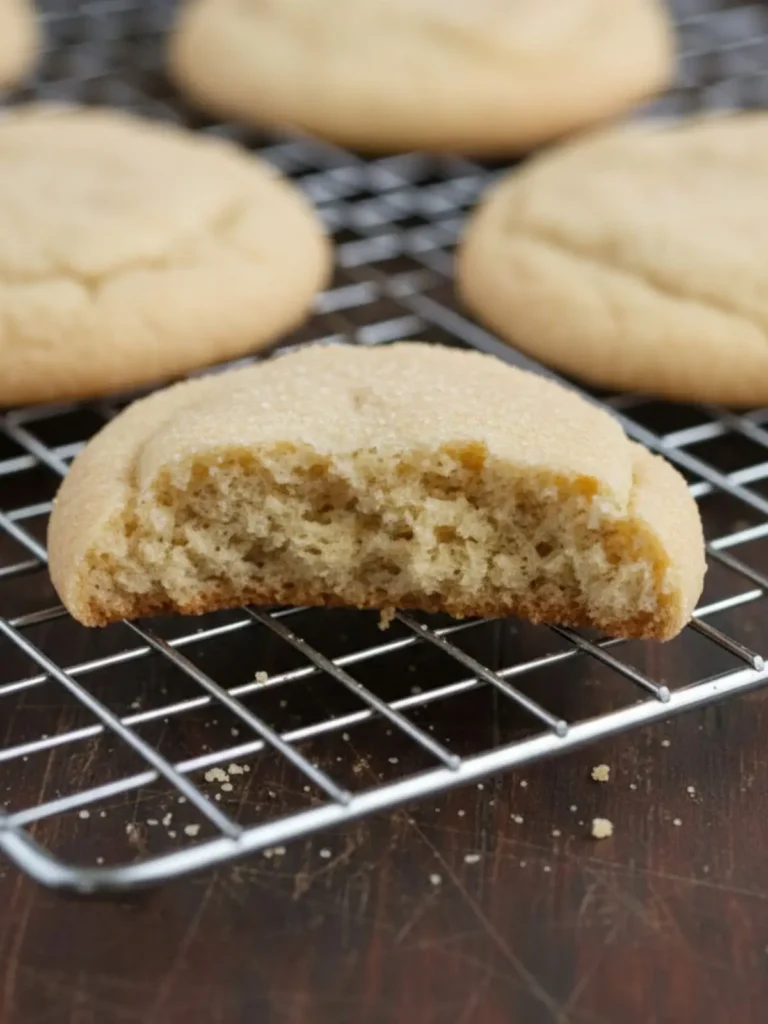
• Soft, buttery centers that melt gently in your mouth
• Lightly crisp edges for a satisfying cookie bite
• Smooth surfaces perfect for decorating
• Balanced sweetness with warm vanilla and almond notes
• Tender crumb that stays soft for several days
Ingredients
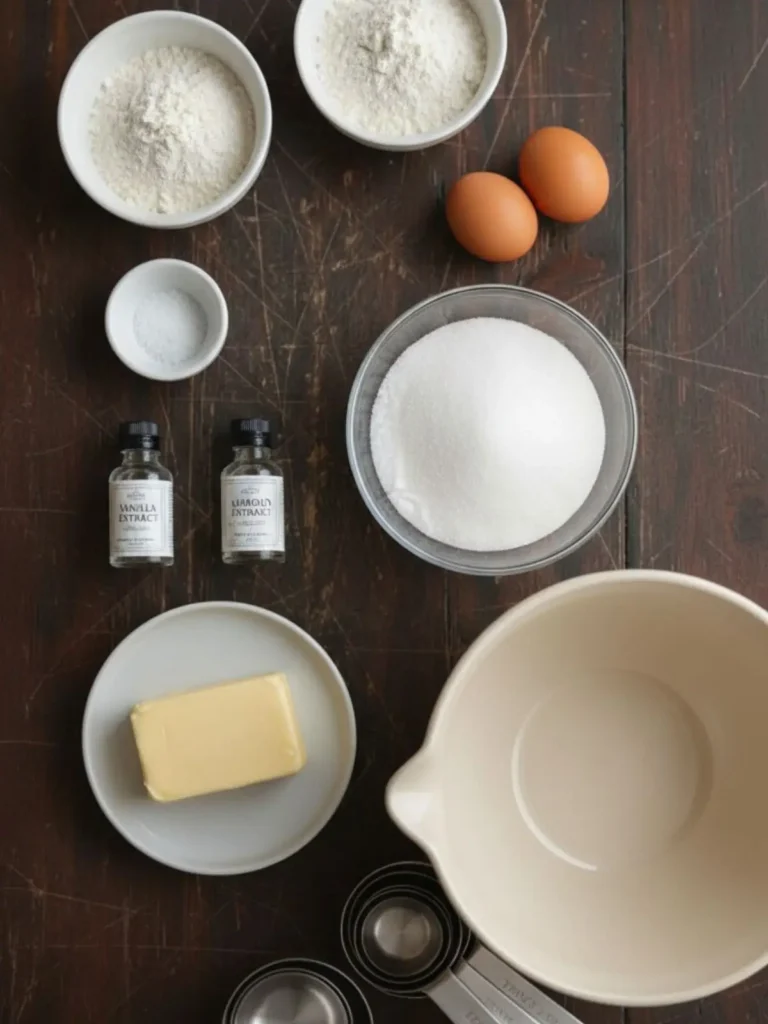
• 3 cups all-purpose flour
• 1 teaspoon baking powder
• 1/4 teaspoon kosher salt
• 1 cup unsalted butter, softened
• 1 cup granulated sugar
• 2 large eggs
• 1 teaspoon vanilla extract
• 1 teaspoon almond extract
If you need to convert ingredient measurements, adjust baking temperatures, or switch between US and metric units, use our complete baking measurement conversion calculator.
Optional Add-Ins & Substitutions
• Replace almond extract with extra vanilla if you prefer a pure vanilla sugar cookies flavor.
• Add lemon or orange zest for a bright citrus twist.
• Substitute half the vanilla with maple extract for warm caramel-like notes.
• Use sanding sugar or colored sprinkles before baking for simple decoration.
• Swap part of the flour with almond flour for a slightly nutty variation.
Baking Science Behind This Recipe
Understanding the science behind easy sugar cookies helps ensure consistent results every time you bake them. Flour provides the structure that holds the cookies together, while butter supplies both flavor and tenderness. When butter and sugar are creamed together, tiny air pockets form within the mixture, which helps create a lighter cookie texture during baking. Proper creaming is therefore one of the most important steps in the entire recipe.
The addition of baking powder plays a subtle but essential role. While many sugar cookie recipes rely on minimal leavening, a small amount of baking powder lifts the dough slightly so the cookies remain tender rather than dense. Because the amount is carefully controlled, the cookies will not puff excessively or lose their shape after baking.
Chilling the dough is another critical step in achieving perfect cut out sugar cookies. When the dough rests in the refrigerator, the butter firms up and the flour fully hydrates. This process prevents excessive spreading during baking and helps the cookies maintain crisp edges and defined shapes. According to baking research from the American Institute of Baking, chilled cookie dough also enhances flavor development as ingredients have time to meld together before baking.
Step-by-Step Instructions
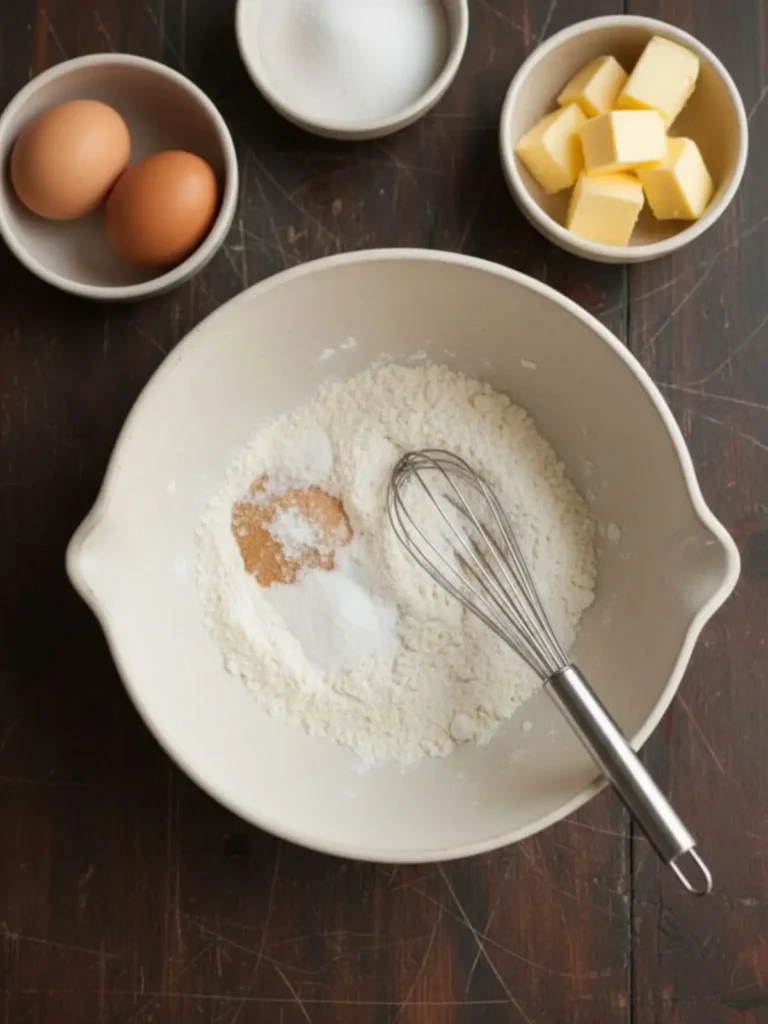
Prepare the dry ingredients.
In a medium mixing bowl, whisk together the flour, baking powder, and kosher salt until evenly combined. This step ensures that the leavening and salt distribute evenly throughout the dough, preventing uneven rising. The mixture should appear light and fully blended with no visible clumps. Set the bowl aside while preparing the butter mixture.
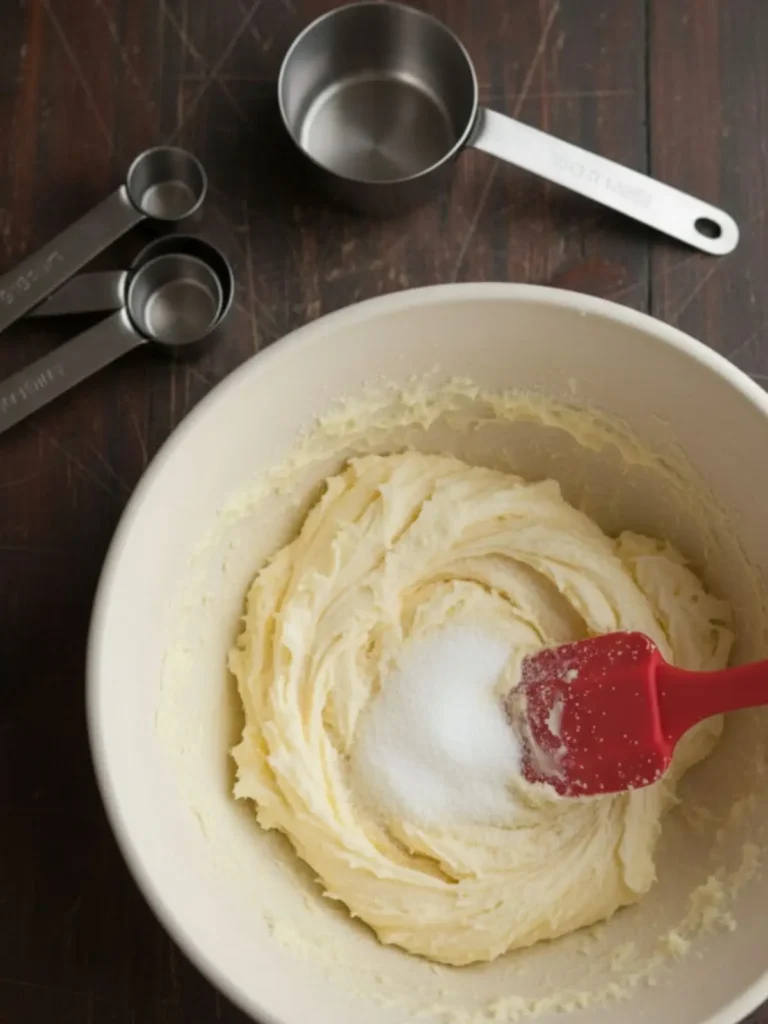
Cream the butter and sugar.
In a large bowl or stand mixer, beat the softened butter and granulated sugar together on medium speed for about two minutes. During this process, the mixture should become pale, smooth, and fluffy. Proper creaming incorporates air into the dough, which improves the final cookie texture. Scrape down the sides of the bowl to ensure everything mixes evenly.
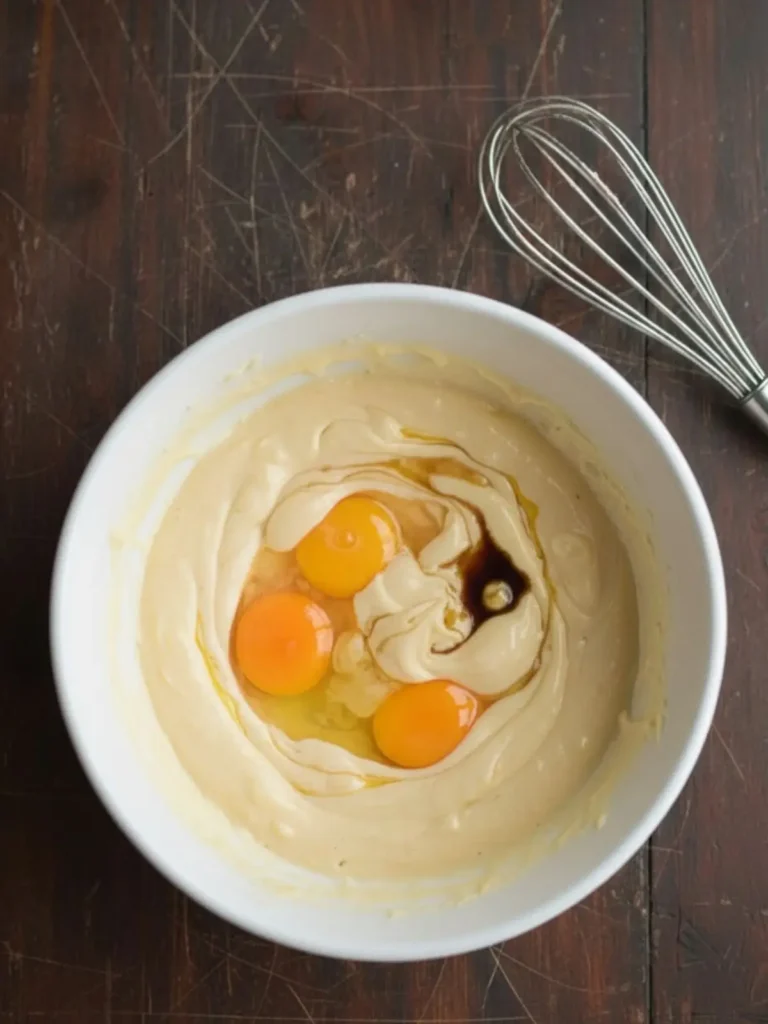
Add eggs and extracts.
Add the eggs one at a time, beating well after each addition so they fully incorporate into the butter mixture. Then mix in the vanilla extract and almond extract until the batter becomes smooth and aromatic. The dough at this stage should appear glossy and creamy. Proper mixing ensures the eggs bind the ingredients together for a cohesive cookie dough.
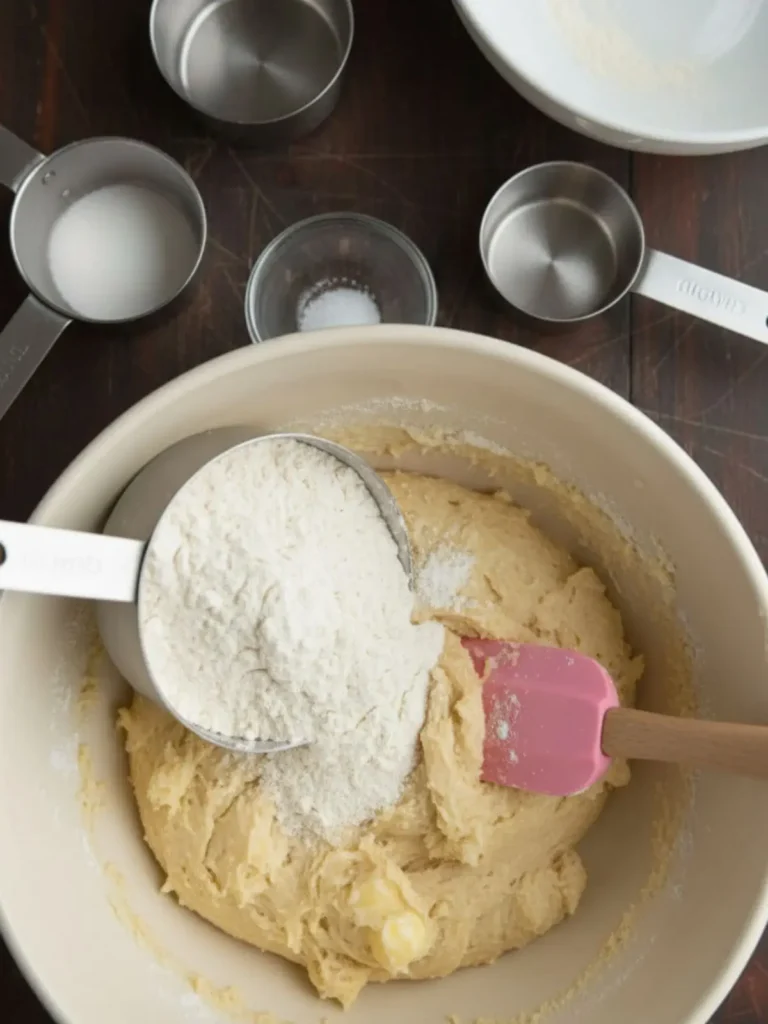
Combine wet and dry ingredients.
Reduce the mixer speed to low and gradually add the flour mixture to the bowl. Mix just until the dough comes together and no streaks of flour remain. Overmixing can develop excess gluten, which may make the cookies tough. The finished dough should feel soft, slightly sticky, and easy to shape.
Chill the dough.
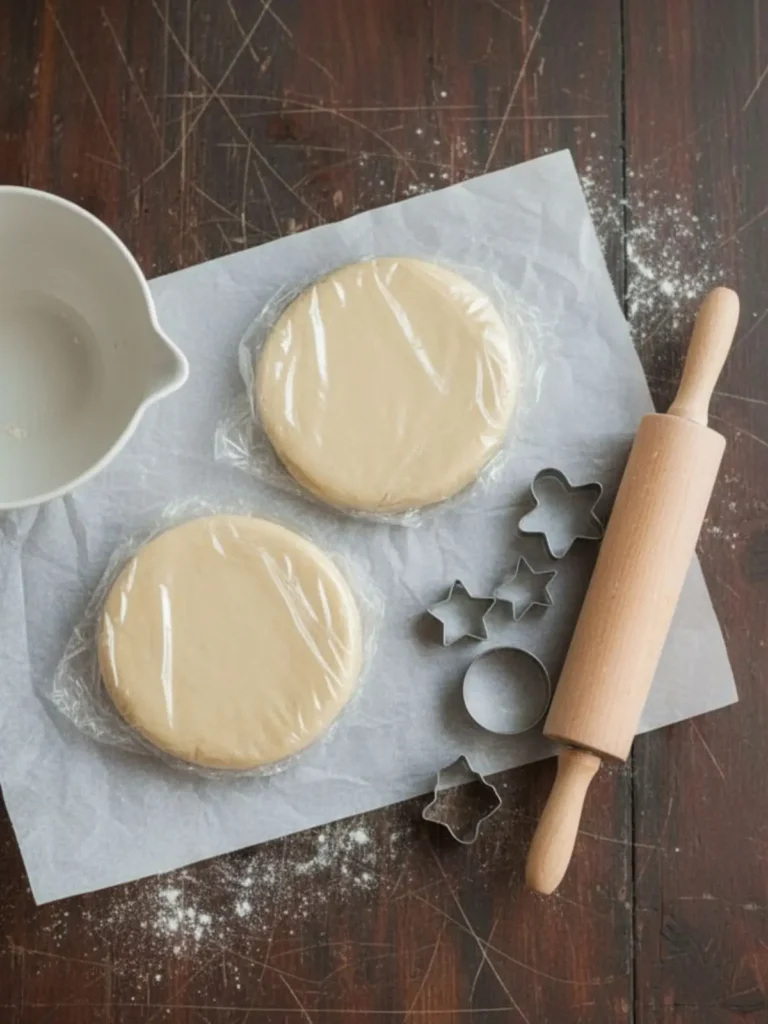
Divide the dough into two equal portions and shape each into a flat disk. Wrap each disk tightly in plastic wrap and refrigerate for at least thirty minutes or up to two hours. Chilling the dough helps firm the butter and relax the gluten, which improves rolling and cutting later. Properly chilled dough will feel firm yet pliable when pressed.
Roll and cut the cookies.
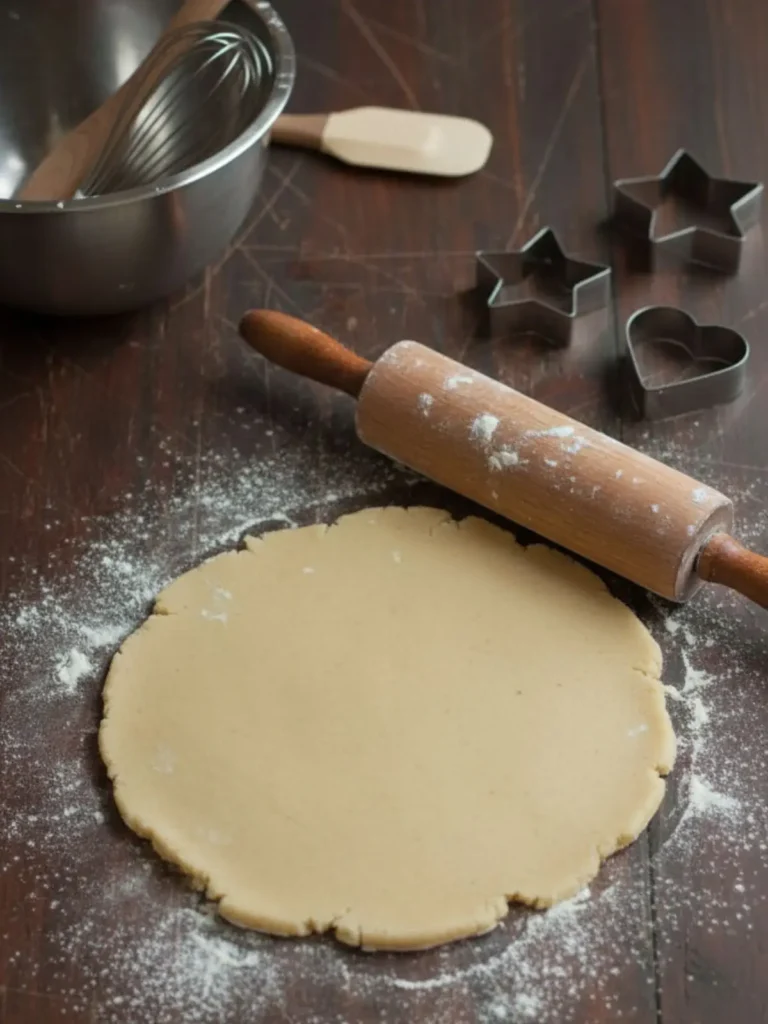
Preheat the oven to 375°F and line baking sheets with parchment paper. Roll one dough disk on a lightly floured surface to about 1/4-inch thickness, turning the dough occasionally to prevent sticking. Use cookie cutters to cut shapes and place them two inches apart on the prepared baking sheet. If the dough becomes too soft during rolling, briefly chill it again.
Chill cut cookies briefly.
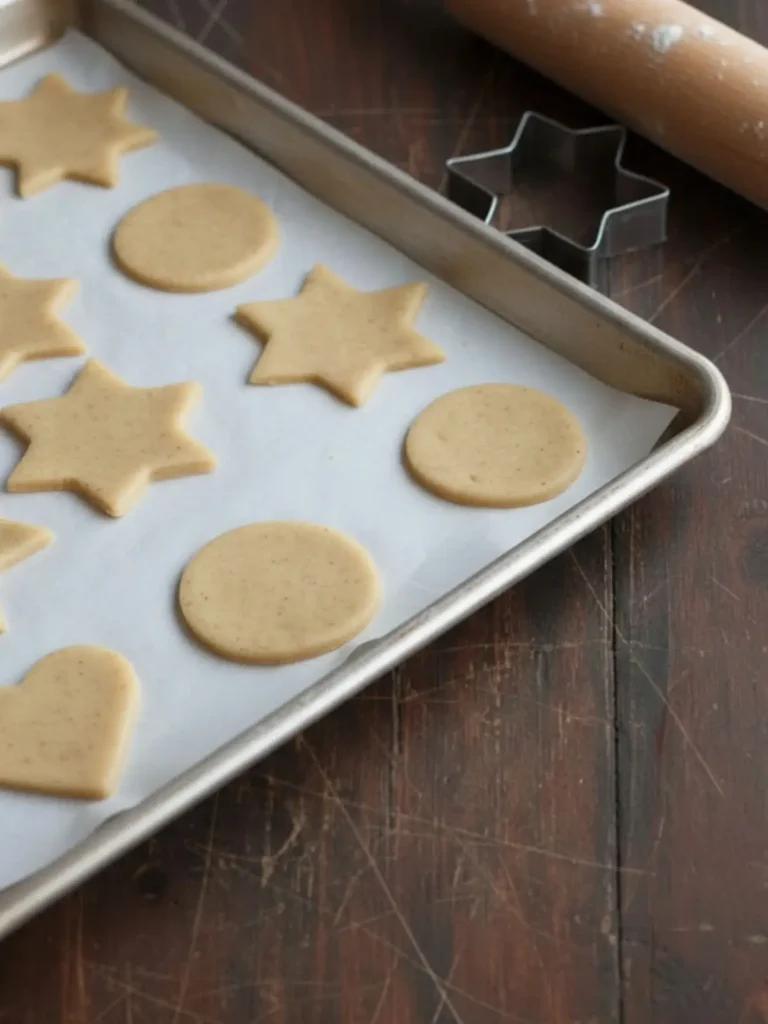
Place the baking sheet with cut cookies in the refrigerator for five to ten minutes before baking. This quick chill helps maintain crisp cookie edges and prevents spreading. Bakers often skip this step, but it significantly improves the final shape of decorated cookies. The dough should feel slightly firm before entering the oven.
Bake until lightly golden.
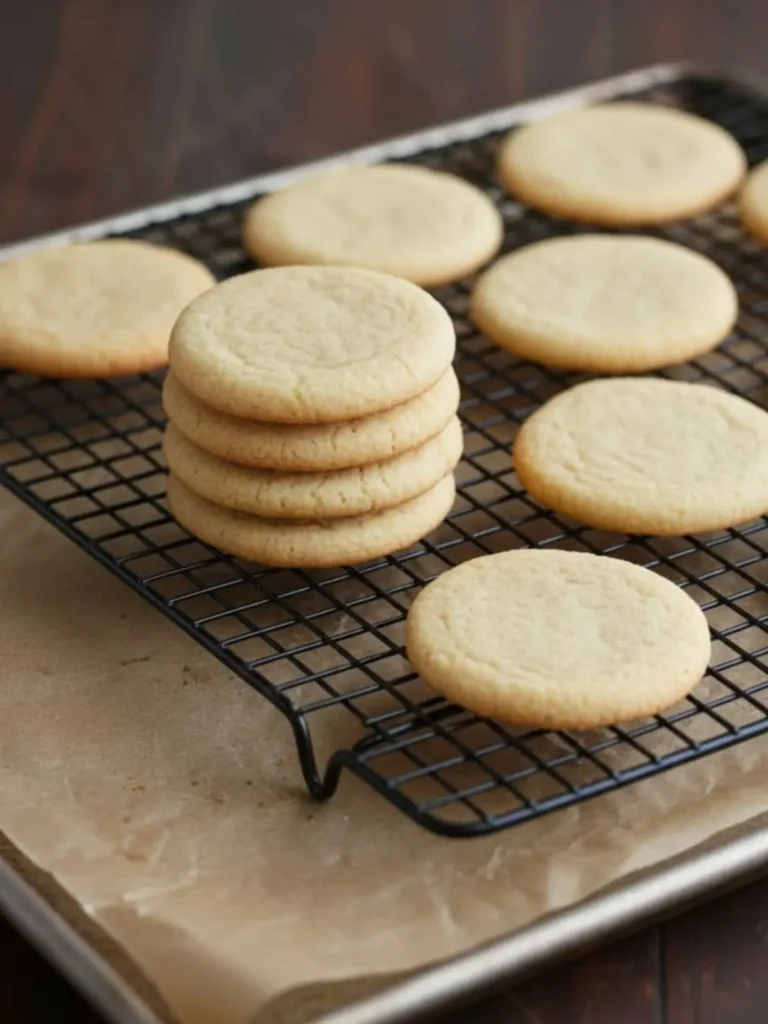
Bake the cookies for eight to ten minutes, rotating the baking sheet halfway through for even baking. The cookies are ready when the edges just begin turning a pale golden color while the centers remain light. Avoid overbaking, as the cookies will continue to set as they cool. Allow them to rest on the baking sheet for a few minutes before transferring to a cooling rack.
Baking Tools & Equipment
• Stand mixer or hand mixer
• Mixing bowls
• Measuring cups and spoons
• Rolling pin
• Cookie cutters
• Parchment paper
• Baking sheets
• Cooling rack
“Each baking tool listed above was carefully selected for consistent results. Click any product name to explore trusted kitchen essentials.”

How To Know When Baking Is Done
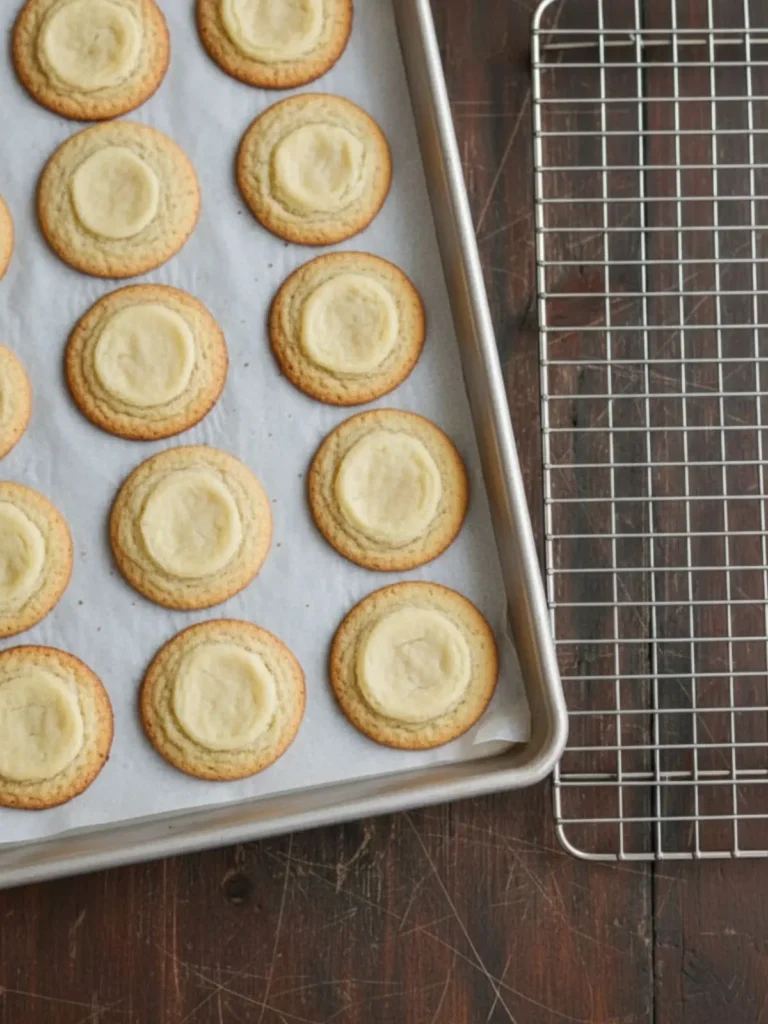
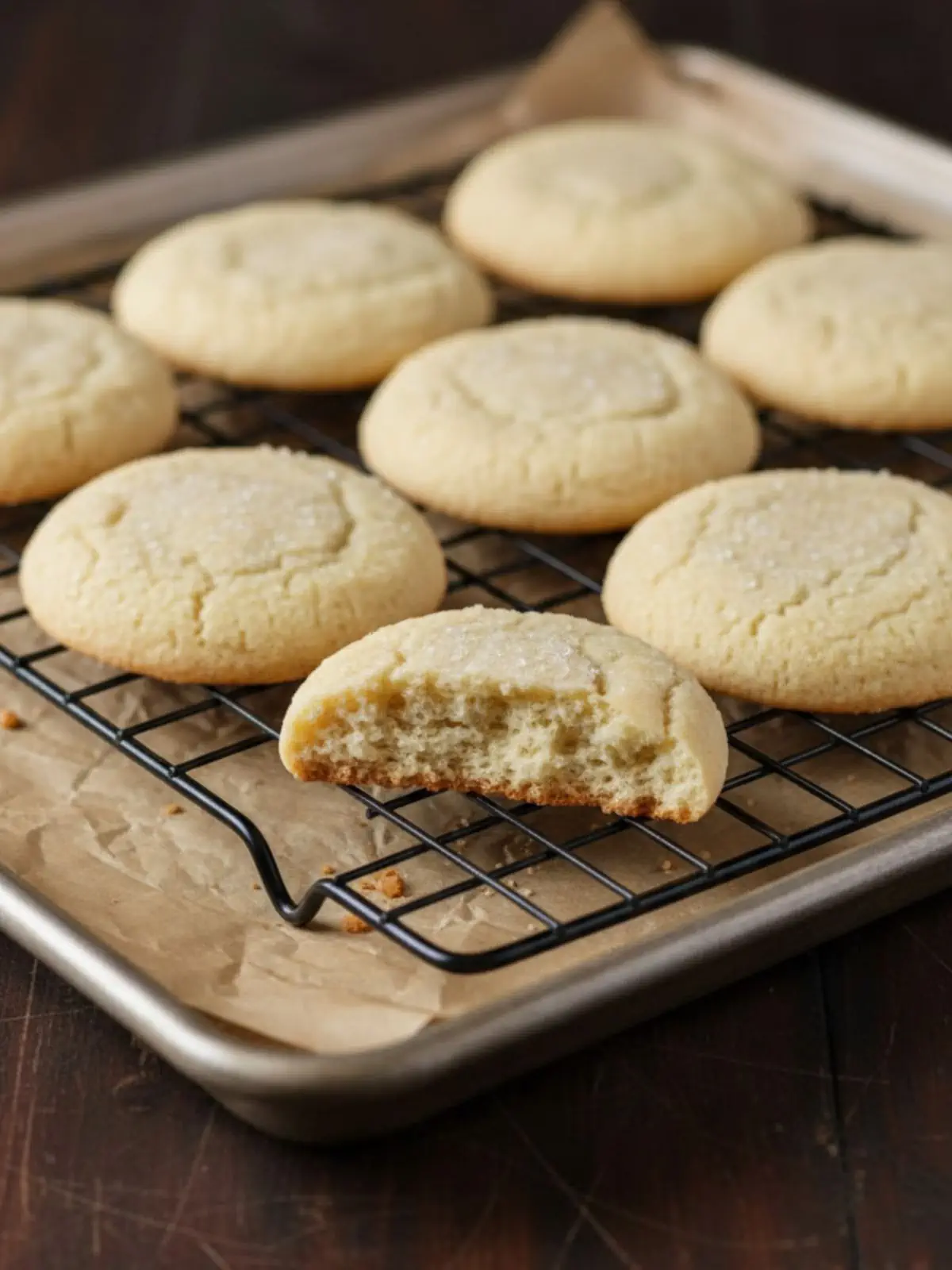
Perfect easy sugar cookies should appear pale with slightly golden edges rather than fully browned surfaces. When the cookies first come out of the oven, the centers may look soft and slightly underbaked, which is exactly what you want. As they cool on the baking sheet, residual heat continues to set the interior crumb while preserving softness.
A simple visual cue is to watch for a faint golden ring forming along the cookie edges. The tops should remain light in color, especially if you plan to decorate them with icing later. If the entire cookie turns golden brown, it has likely baked too long and may become crisp rather than soft. Proper timing ensures the delicate texture that defines classic homemade sugar cookies.
Common Mistakes To Avoid
• Skipping the dough chilling step, which can cause cookies to spread.
• Overmixing the dough after adding flour, resulting in tougher cookies.
• Rolling dough unevenly, which leads to inconsistent baking times.
• Using overly soft butter that causes greasy cookie dough.
• Baking cookies too long and losing their tender texture.
Storage & Freezing Guide
• Store baked cookies in an airtight container at room temperature for up to one week.
• Refrigerate decorated cookies if using dairy-based frosting.
• Freeze baked cookies for up to three months in sealed containers.
• Freeze unbaked easy sugar cookie dough disks for up to two months.
• Thaw frozen dough overnight in the refrigerator before rolling and baking.
Flavor Variations
• Add cinnamon and nutmeg for warm spiced sugar cookies.
• Mix lemon zest into the dough for bright citrus flavor.
• Dip baked cookies halfway in melted chocolate.
• Add sprinkles to create festive birthday cookies.
• Sandwich two cookies with buttercream filling for a bakery-style treat.
Frequently Asked Questions
1. Can I make easy sugar cookies without chilling the dough?
Chilling the dough is highly recommended because it prevents the cookies from spreading too much during baking. While it may seem like an optional step, skipping the chill often results in cookies that lose their defined edges. If you are short on time, even a brief fifteen-minute chill will improve the dough’s structure significantly.
2. Why did my sugar cookies turn out hard instead of soft?
Overbaking is the most common reason cookies become hard. Sugar cookies should be removed from the oven when the edges barely start to turn golden. They will continue to firm up as they cool on the baking sheet. Another possible cause is adding too much flour, which can make the dough dense.
3. What is the best thickness for rolling sugar cookie dough?
For classic cut out sugar cookies, rolling the dough to about one-quarter inch thickness provides the ideal balance of softness and structure. Thinner dough creates crisp cookies, while thicker dough produces softer centers. Using a ruler or rolling pin guides can help maintain consistent thickness across the entire batch.
4. Can I decorate sugar cookies before baking?
Yes, you can decorate with sanding sugar or sprinkles before baking for a simple finish. However, icing decorations such as royal icing or buttercream should be applied after the cookies have fully cooled. Decorating after baking ensures the icing holds its shape and colors remain vibrant.
Expert Baker Tips
• Always use room temperature eggs for smoother dough mixing.
• Lightly flour your rolling pin to prevent sticking without adding excess flour.
• Rotate baking sheets halfway through baking for even browning.
• Use parchment paper to prevent sticking and simplify cleanup.
• Let cookies cool completely before decorating to avoid melting icing.
Related Recipes From Our Kitchen
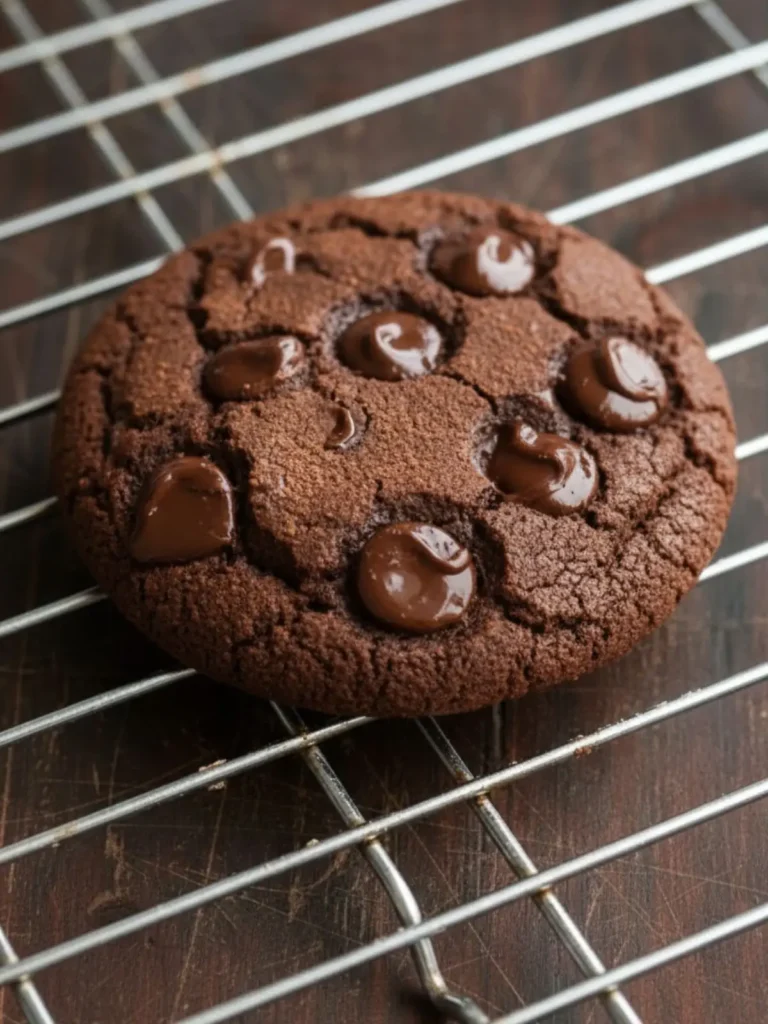
Double Chocolate Chip Cookies – Rich cocoa cookies packed with melty chocolate chips for intense chocolate flavor in every bite.
Cheesecake Cookies – Soft cookies inspired by creamy cheesecake, featuring a tender texture and lightly tangy sweetness.
Final Baking Notes
Mastering a reliable easy sugar cookies recipe is one of the most rewarding skills a home baker can develop. These cookies combine simple pantry ingredients with classic baking techniques to produce a dessert that feels both nostalgic and endlessly versatile. Whether you bake them for holidays, birthdays, or quiet weekend treats, their buttery flavor and soft texture make them universally loved.
Once you become comfortable with the process, these homemade sugar cookies will quickly become part of your regular baking rotation. The dough stores beautifully, the decorating possibilities are endless, and the results consistently rival bakery cookies. With careful mixing, proper chilling, and thoughtful baking time, you can create picture-perfect sugar cookies that look stunning and taste even better.
Easy Sugar Cookies Recipe
Ingredients
Equipment
Method
- In a medium bowl, whisk together the flour, baking powder, and kosher salt until evenly combined. Set aside.
- In a large bowl or stand mixer, beat the softened butter and granulated sugar on medium speed for about 2 minutes until smooth and creamy.
- Add the eggs one at a time, mixing well after each addition. Stir in the vanilla extract and almond extract until fully combined.
- Reduce mixer speed to low and gradually add the flour mixture to the butter mixture. Mix until a smooth dough forms and no flour streaks remain.
- Divide the dough into two portions and shape each into a flat disk. Wrap each disk tightly in plastic wrap and refrigerate for at least 30 minutes.
- Preheat the oven to 375°F and line baking sheets with parchment paper.
- Roll one dough disk on a lightly floured surface to about 1/4-inch thickness. Use cookie cutters to cut shapes and place cookies 2 inches apart on prepared baking sheets.
- Refrigerate the cut cookies on the baking sheet for 5–10 minutes to help maintain their shape during baking.
- Bake cookies for 8–10 minutes, rotating the baking sheet halfway through baking, until the edges begin to turn lightly golden.
- Allow cookies to cool on the baking sheet briefly, then transfer them to a cooling rack and cool completely before decorating or storing.
Notes
- Always use softened butter rather than melted butter to maintain the correct cookie structure.
- Properly creaming the butter and sugar helps create a lighter cookie texture.
- Chilling the dough is essential to prevent spreading and maintain clean cookie shapes.
- If dough becomes too soft while rolling, place it back in the refrigerator for several minutes.
- Roll the dough evenly to about 1/4 inch thickness so cookies bake at the same rate.
- Avoid adding too much flour during rolling as it can dry out the cookies.
- Slightly underbake cookies to keep them soft; they will continue to firm up as they cool.
- Use parchment paper to prevent sticking and to ensure even baking.
- Store cookies in an airtight container at room temperature to maintain softness.
- Dough can be frozen for future baking; thaw overnight in the refrigerator before rolling.
- Allow cookies to cool completely before decorating with icing or frosting.